


Quick Summary: Jesse Hughes Threat Against Texas Hanuman Statue Sparks Religious Freedom Debate
- A social-media threat on September 20 by conservative YouTuber Jesse Hughes targeted a 90-foot Hanuman statue, sparking a political debate on religious freedom and identity politics in Texas.
- The statue, consecrated in August 2024, is now a symbol in the 2026 midterm climate, highlighting the intersection of religion and politics.
- Despite the uproar, there is no government order or formal process for the statue’s removal, making the threat symbolic and extra-legal.
- Hindu Americans and veterans have responded sharply, framing the threat as an attack on religious freedom rather than mere trolling.
- The controversy links to broader issues of immigration and the visibility of non-Christian symbols in a Republican-dominated state.
Source: Open external resource
Source: Read original article
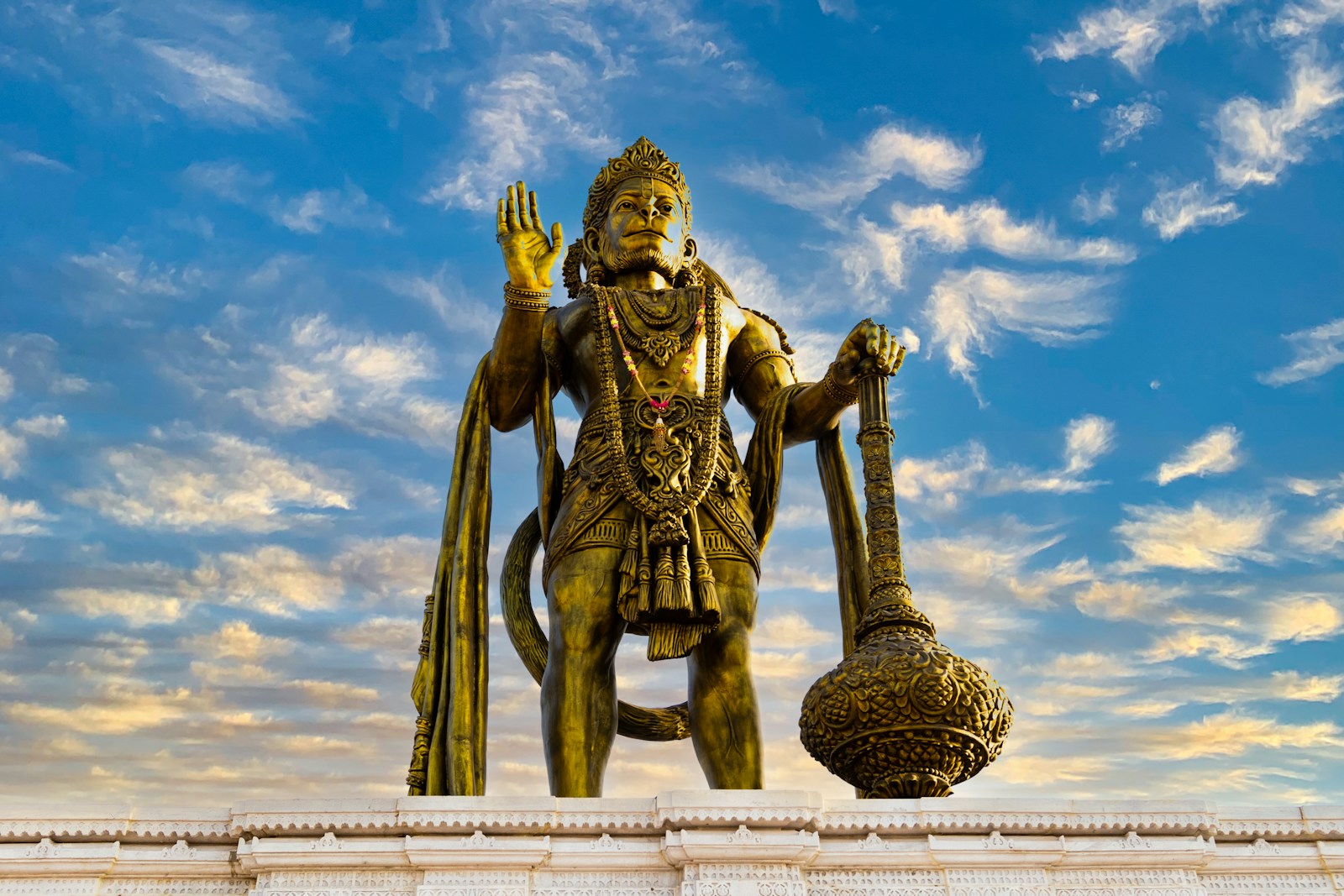
The Texas Hanuman statue in Sugar Land has become a political battleground, ignited by a provocative social media post from conservative YouTuber Jesse Hughes. His statement, “Btw, when we win, we are tearing this down,” has turned the 90-foot monument into a flashpoint for debates on religious freedom and identity politics as the 2026 midterms approach.
Consecrated in August 2024, the statue at the Sri Ashtalakshmi Temple is now embroiled in controversy, not due to any formal legal action, but because of the symbolic threat it represents. This has galvanized Hindu Americans and veterans, who view Hughes’ comments as a direct attack on their religious rights.
The uproar highlights the broader tensions in Texas over immigration and the visibility of non-Christian religious symbols, particularly in a state with a significant Indian-American population. The Hanuman statue, described as North America’s tallest, stands as a symbol of these demographic and cultural shifts.
Without any official government action against the statue, the controversy remains a potent example of how symbolic threats can fuel political debates. As Texas approaches the midterms, the outcome of this dispute could influence the political landscape, testing the state’s commitment to religious liberty and diversity.
Multiple reports published on September 22 and September 23 say the remark was aimed at the Statue of Union at the Sri Ashtalakshmi Temple, and that it triggered backlash from religious-freedom advocates who framed it not as trolling but as a threat against a house of worship. on September 23, while other outlets on September 22 tied the uproar directly to the 2026 midterm climate in Texas.
The statue was consecrated in August 2024, meaning the current uproar is hitting more than two years after its unveiling, which makes the sudden election-season escalation more politically telling. A social-media threat posted on September 20 by conservative YouTuber Jesse Hughes — “Btw, when we win, we are tearing this down” — has turned a 90-foot Hanuman statue at a Sugar Land, Texas temple into a fast-moving test of religious freedom, identity politics and how far culture-war rhetoric will go ahead of the midterms.
The latest and most important development is that the story is no longer just about one inflammatory post; it has widened into a broader political fight because Hughes’ threat drew an unusually sharp, public response from Hindu Americans and veterans within roughly 48 hours. There is also a twist here: despite the fierce rhetoric, the reporting available right now does not point to any government order, zoning action, court filing or formal removal process.
In other words, the flashpoint is politically potent precisely because the threat is symbolic and extra-legal. ” That post, dated September 20, appears to be the spark for the current wave of coverage.
The monument is 90 feet tall, stands at 10098 Synott Road in Sugar Land, and the temple’s own site describes it as North America’s tallest statue of Lord Hanuman. Some reporting also revived an older line of attack from Texas Republican Alexander Duncan, who had previously described Hanuman as a “false Hindu God,” showing that this week’s controversy did not emerge from nowhere but from a preexisting vein of anti-Hindu rhetoric in Texas political discourse.
The statue, consecrated in August 2024, is now a symbol in the 2026 midterm climate, highlighting the intersection of religion and politics. Despite the uproar, there is no government order or formal process for the statue’s removal, making the threat symbolic and extra-legal.
His statement, “Btw, when we win, we are tearing this down,” has turned the 90-foot monument into a flashpoint for debates on religious freedom and identity politics as the 2026 midterms approach. on September 23, while other outlets on September 22 tied the uproar directly to the 2026 midterm climate in Texas.
The statue was consecrated in August 2024, meaning the current uproar is hitting more than two years after its unveiling, which makes the sudden election-season escalation more politically telling. Without any official government action against the statue, the controversy remains a potent example of how symbolic threats can fuel political debates.
A social-media threat posted on September 20 by conservative YouTuber Jesse Hughes — “Btw, when we win, we are tearing this down” — has turned a 90-foot Hanuman statue at a Sugar Land, Texas temple into a fast-moving test of religious freedom, identity politics and how far culture-war rhetoric will go ahead of the midterms. Hindu Americans and veterans have responded sharply, framing the threat as an attack on religious freedom rather than mere trolling.
The scale and speed of this development has caught many observers off guard. Each new update adds another dimension to a story that is still unfolding, and the full picture will only become clear as more verified details emerge from the people and institutions directly involved.
Analysts who have tracked this issue closely say the current moment represents a genuine turning point. The decisions made in the coming weeks are expected to set the direction for months ahead, with ripple effects likely to extend well beyond the immediate actors in the story.
For those directly affected, the practical impact is already visible. People navigating this fast-changing situation are dealing with real consequences while new information continues to reshape what is known and what remains open to interpretation.
Historical parallels offer some context, though experts caution against drawing too close a comparison. Similar situations have played out before, but the specific combination of pressures, personalities, and timing here makes this moment distinct in ways that matter for how it ultimately resolves.
The political and economic dimensions of this story are deeply intertwined. What appears as a single event on the surface is in practice the convergence of multiple pressures that have been building quietly over a longer period than most public reporting has captured.