

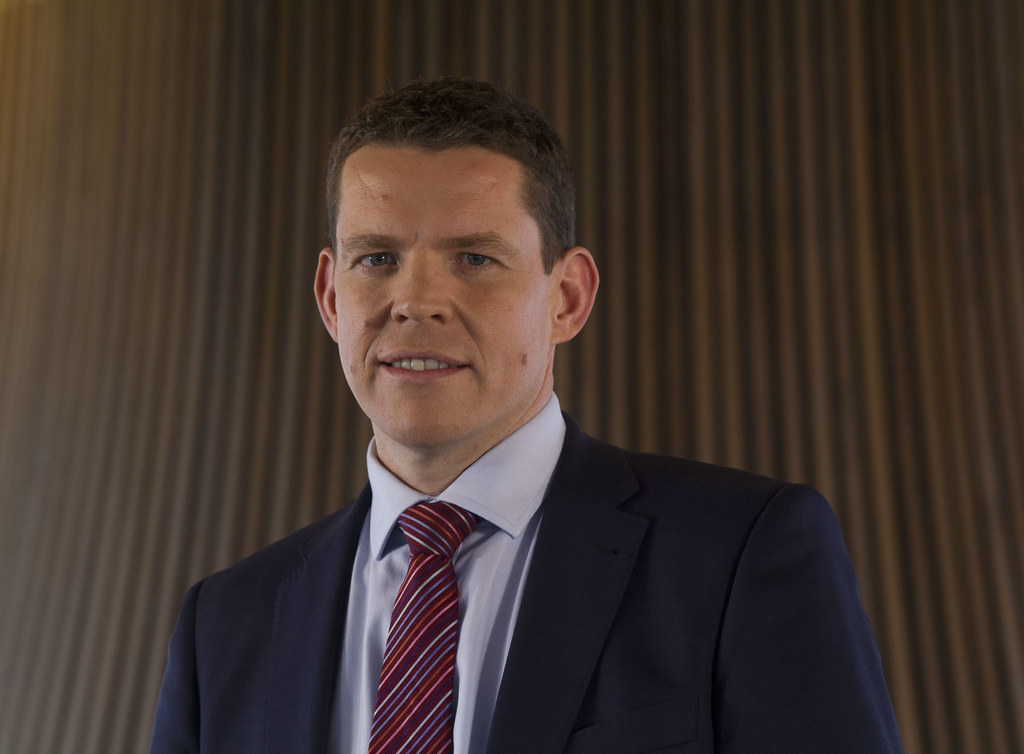

Quick Summary: First Minister Rhun Ap Iorwerth Unveils Global Strategy With British Council
- First Minister Rhun ap Iorwerth met with British Council chief Scott McDonald to discuss a new international strategy for Wales.
- The meeting emphasized linking Wales’s international strategy with the British Council’s global network in arts, education, and language.
- Erasmus+ is being positioned as a key component of the Welsh government’s new internationalism.
- The British Council may help Welsh schools, colleges, and universities build global partnerships and attract overseas students.
- Rhun ap Iorwerth aims to make international relations a cross-government agenda involving diplomacy, education, business, and culture.
Source: Open external resource
Source: Read original article
In a significant move for Wales’s international ambitions, First Minister Rhun ap Iorwerth has met with British Council chief Scott McDonald. This meeting marks a pivotal shift towards a more outward-facing Wales, with both leaders discussing how the British Council can become a practical partner in this vision.
The discussions centered on integrating Wales’s new international strategy with the British Council’s extensive global network. This partnership could transform Wales’s approach to international relations, focusing on arts, education, and language as core elements. Notably, the Erasmus+ program is set to be a cornerstone of this strategy, signaling a robust commitment to educational exchange in a post-Brexit landscape.
Contextually, this meeting is part of a broader series of outward-facing initiatives by the Welsh government. Recent agreements with Scotland and a U.S.-focused trade push highlight a strategic turn towards international engagement. The ambition is clear: to weave international relations into the fabric of government policy, spanning beyond traditional diplomacy to include education and culture.
The challenge now lies in translating these ambitious discussions into concrete actions. While the rhetoric is expansive, the lack of new funding or formal agreements raises questions about the feasibility of these plans. As the Welsh government moves forward, the focus will be on delivering tangible outcomes that can substantiate this bold international strategy.
-focused trade and investment push reported on August 31, 2026, built around culture, technology and innovation. trade and investment push was reported on August 31, just outside the last 7 days but still relevant as part of the same strategic turn.
” The most concrete new element is not a funding pledge or signed deal, but the fact that the meeting directly linked the First Minister’s promised new international strategy with the British Council’s global network in arts, education and language, suggesting the relationship is moving from general goodwill toward operational cooperation. In practical terms, the story’s biggest development is that Erasmus+ is being positioned as an early test case for the new government’s internationalism.
A fresh signal from Cardiff Bay today is that Rhun ap Iorwerth’s new Welsh government wants the British Council to become a practical delivery partner for a more outward-facing Wales, with both sides explicitly tying that ambition to Erasmus+, overseas student recruitment and a new Welsh international strategy. The article also says the British Council could help bring “international decision-makers, professionals and cultural practitioners” to Wales, which is a specific sign that the government sees culture and education as economic diplomacy tools, not just soft-power extras.
” That matters because the underlying debate is not simply whether Wales should be internationally engaged, but how it replaces or rebuilds international educational links in a post-Brexit environment and who gets to administer those opportunities. Put together with today’s British Council meeting, the pattern is that ap Iorwerth is trying to turn “international relations” into a cross-government agenda spanning diplomacy, education, business and culture rather than leaving it as a niche external-affairs portfolio.
The next thing to watch is whether the Welsh Government publishes details of the promised new international strategy and whether the British Council’s emerging Erasmus+ role comes with concrete announcements for Welsh schools, colleges and universities. Wales 247 reports that the talks covered help for Welsh schools, colleges and universities to build global partnerships, support for festivals and artists to work internationally, and assistance for the higher-education sector in attracting overseas students and building transnational education and research partnerships.
-focused trade and investment push reported on August 31, 2026, built around culture, technology and innovation. Quick Summary: First Minister meets British Council chief to explore new international opportunities – Wales 247 First Minister Rhun ap Iorwerth met with British Council chief Scott McDonald to discuss a new international strategy for Wales.
trade and investment push was reported on August 31, just outside the last 7 days but still relevant as part of the same strategic turn. Erasmus+ is being positioned as a key component of the Welsh government’s new internationalism.
Rhun ap Iorwerth aims to make international relations a cross-government agenda involving diplomacy, education, business, and culture. Contextually, this meeting is part of a broader series of outward-facing initiatives by the Welsh government.
The ambition is clear: to weave international relations into the fabric of government policy, spanning beyond traditional diplomacy to include education and culture. As the Welsh government moves forward, the focus will be on delivering tangible outcomes that can substantiate this bold international strategy.
In practical terms, the story’s biggest development is that Erasmus+ is being positioned as an early test case for the new government’s internationalism. In a significant move for Wales’s international ambitions, First Minister Rhun ap Iorwerth has met with British Council chief Scott McDonald.
The scale and speed of this development has caught many observers off guard. Each new update adds another dimension to a story that is still unfolding, and the full picture will only become clear as more verified details emerge from the people and institutions directly involved.
Analysts who have tracked this issue closely say the current moment represents a genuine turning point. The decisions made in the coming weeks are expected to set the direction for months ahead, with ripple effects likely to extend well beyond the immediate actors in the story.
For those directly affected, the practical impact is already visible. People navigating this fast-changing situation are dealing with real consequences while new information continues to reshape what is known and what remains open to interpretation.
Historical parallels offer some context, though experts caution against drawing too close a comparison. Similar situations have played out before, but the specific combination of pressures, personalities, and timing here makes this moment distinct in ways that matter for how it ultimately resolves.
The political and economic dimensions of this story are deeply intertwined. What appears as a single event on the surface is in practice the convergence of multiple pressures that have been building quietly over a longer period than most public reporting has captured.