

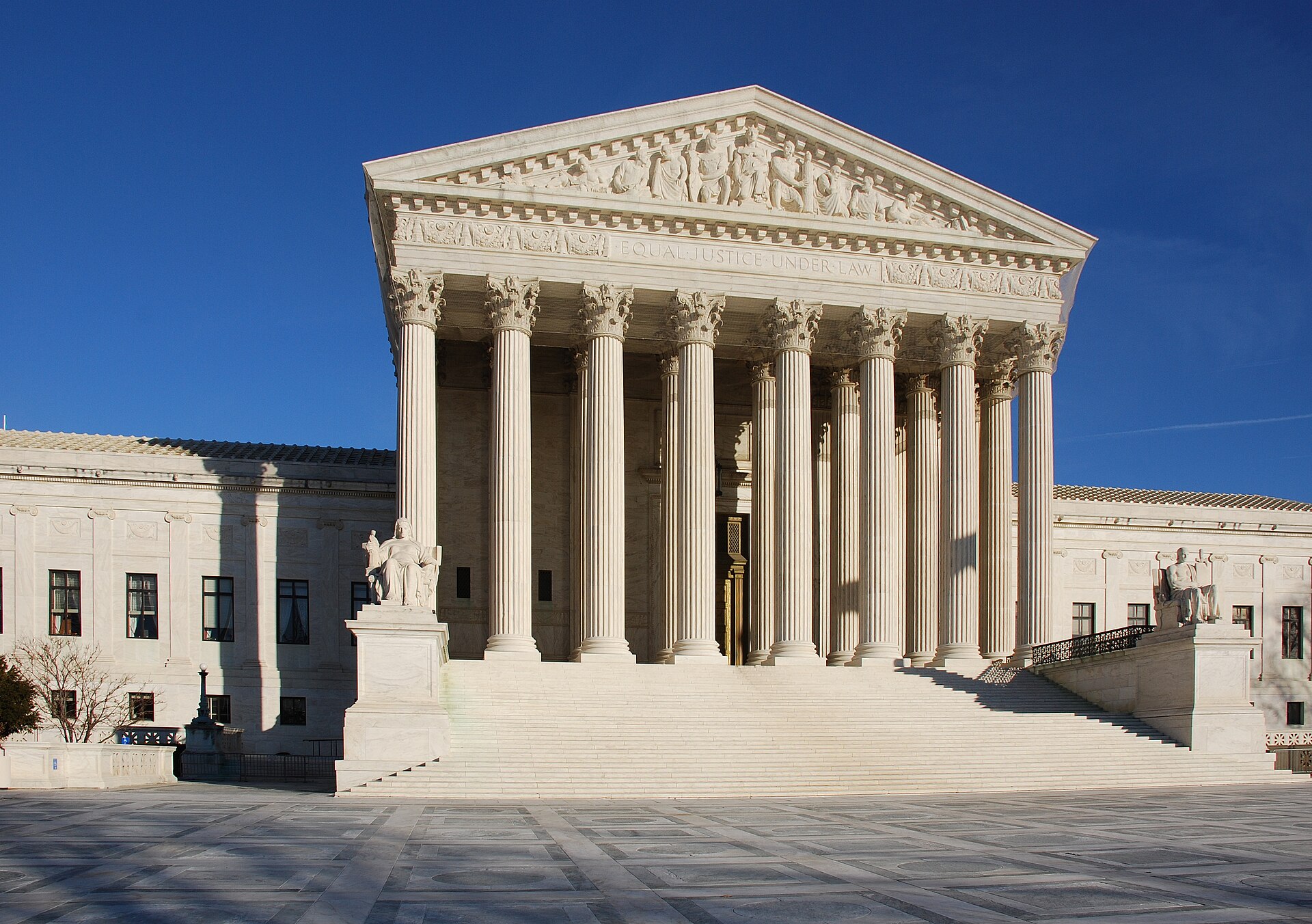

Quick Summary: Justice Jackson Dissents as Supreme Court Backs SAVE System Revival
- The U.S. Supreme Court allowed the Trump administration to revive the SAVE system, enabling states to use a federal citizenship database before the November midterms.
- Virginia Attorney General Jay Jones claimed DHS may have violated state laws by accessing voter information without permission.
- Federal law prevents systematic voter-roll purges within 90 days of an election, limiting immediate impacts of the Supreme Court decision.
- CNN reported that out of nearly 9,000 potential noncitizens identified by SAVE, only 27 were confirmed as noncitizens after further review.
- Justice Ketanji Brown Jackson dissented, highlighting the potential disenfranchisement of lawful voters.
Source: Open external resource
Source: Read original article
The U.S. Supreme Court’s decision to allow the Trump administration to revive its expanded SAVE voter-screening system is a seismic shift in the political landscape just before the November midterms. This ruling paves the way for states to utilize a federal citizenship database, even as lower-court battles continue to brew.
Originally designed to verify immigration status for public benefits, the SAVE system’s expansion into voter roll verification has sparked intense debate. Critics argue that this tool could lead to wrongful disenfranchisement, while supporters claim it is a necessary measure to prevent noncitizen voting. The numbers tell a compelling story: CNN reports that out of nearly 9,000 flagged individuals, only 27 were confirmed as noncitizens, raising questions about the system’s accuracy.
Adding fuel to the fire, a whistleblower has alleged that DHS employees were instructed to impersonate voters to access state databases, potentially breaching state laws. Virginia’s Attorney General Jay Jones is demanding answers, highlighting the tension between federal and state authorities over voter data access.
Despite the Supreme Court’s ruling, the practical impact before the midterms may be limited. Federal law restricts voter-roll purges within 90 days of an election, but the decision allows for increased database searches and federal-state coordination. The debate over the SAVE system’s legitimacy and accuracy is far from over, with future legal challenges likely to shape its role in election administration.
On Thursday, September 24, Virginia Attorney General Jay Jones said DHS may have violated several state laws and demanded written confirmation of whether the department had directed anyone to access Virginians’ voter information without permission. Because federal law bars systematic voter-roll purges within 90 days of an election, several reports say the decision is unlikely to produce mass removals before the November 2026 midterms.
Supreme Court on Friday, September 25, 2026, let the Trump administration immediately revive its expanded SAVE voter-screening system, clearing the way for states to use a federal citizenship database ahead of the November midterms even as lower-court litigation continues. Reporting this week says at least 67 million voter registrations have already been scanned through the program since last year, a scale that makes this less a technical dispute than a major fight over who controls election administration in the final weeks before voting.
On the other side, the Supreme Court’s unsigned majority said the federal government has an obligation to respond when state and local officials ask to verify voters’ citizenship, a rationale that handed President Donald Trump a significant election-season win. CNN, citing recent vetting in Utah, reported that nearly 9,000 people were initially identified by SAVE as potential noncitizens, and after additional review of that pool plus another 2,500 registered voters who could not be run through the system, officials confirmed just 27 noncitizens and found another 25 likely noncitizens.
According to that account, staffers in late August were pulled off other work, given less than two hours of training, and told to review 40 individuals per day, leaving roughly 12 minutes per case to determine whether someone was a lawful voter and create a federal record if not. Jones wrote that “Virginia Election Code does not permit disclosure of this protected information to the federal government without a court order,” and asked Homeland Security Secretary Markwayne Mullin to preserve access logs, correspondence, and training materials.
The Associated Press reported Monday that a federal whistleblower said Department of Homeland Security employees were being required to pose as individual voters on state lookup tools, potentially violating state laws. The episode has widened the story from a Supreme Court election case into a potential records-and-privacy fight between states and the federal government.
CNN, citing recent vetting in Utah, reported that nearly 9,000 people were initially identified by SAVE as potential noncitizens, and after additional review of that pool plus another 2,500 registered voters who could not be run through the system, officials confirmed just 27 noncitizens and found another 25 likely noncitizens. According to that account, staffers in late August were pulled off other work, given less than two hours of training, and told to review 40 individuals per day, leaving roughly 12 minutes per case to determine whether someone was a lawful voter and create a federal record if not.
Jones wrote that “Virginia Election Code does not permit disclosure of this protected information to the federal government without a court order,” and asked Homeland Security Secretary Markwayne Mullin to preserve access logs, correspondence, and training materials. Virginia’s Attorney General Jay Jones is demanding answers, highlighting the tension between federal and state authorities over voter data access.
Federal law prevents systematic voter-roll purges within 90 days of an election, limiting immediate impacts of the Supreme Court decision. CNN reported that out of nearly 9,000 potential noncitizens identified by SAVE, only 27 were confirmed as noncitizens after further review.
The scale and speed of this development has caught many observers off guard. Each new update adds another dimension to a story that is still unfolding, and the full picture will only become clear as more verified details emerge from the people and institutions directly involved.
Analysts who have tracked this issue closely say the current moment represents a genuine turning point. The decisions made in the coming weeks are expected to set the direction for months ahead, with ripple effects likely to extend well beyond the immediate actors in the story.
For those directly affected, the practical impact is already visible. People navigating this fast-changing situation are dealing with real consequences while new information continues to reshape what is known and what remains open to interpretation.
Historical parallels offer some context, though experts caution against drawing too close a comparison. Similar situations have played out before, but the specific combination of pressures, personalities, and timing here makes this moment distinct in ways that matter for how it ultimately resolves.
The political and economic dimensions of this story are deeply intertwined. What appears as a single event on the surface is in practice the convergence of multiple pressures that have been building quietly over a longer period than most public reporting has captured.