


Quick Summary: Governor Desantis Withdraws Execution Warrant Amid Controversy
- Florida is set to execute James Robertson on October 13, sparking debate over the state’s aggressive use of the death penalty.
- Governor Ron DeSantis withdrew a death warrant for another inmate, William Lee Thompson, highlighting the controversy.
- James Robertson killed his cellmate in 2008, explicitly seeking a death sentence, and waived all legal defenses.
- Florida’s execution rate is the highest since 1976, with 19 executions in 2025 under DeSantis.
- Critics argue Florida’s approach risks a crisis similar to Tennessee’s failed execution attempt.
Source: Open external resource
Source: Read original article
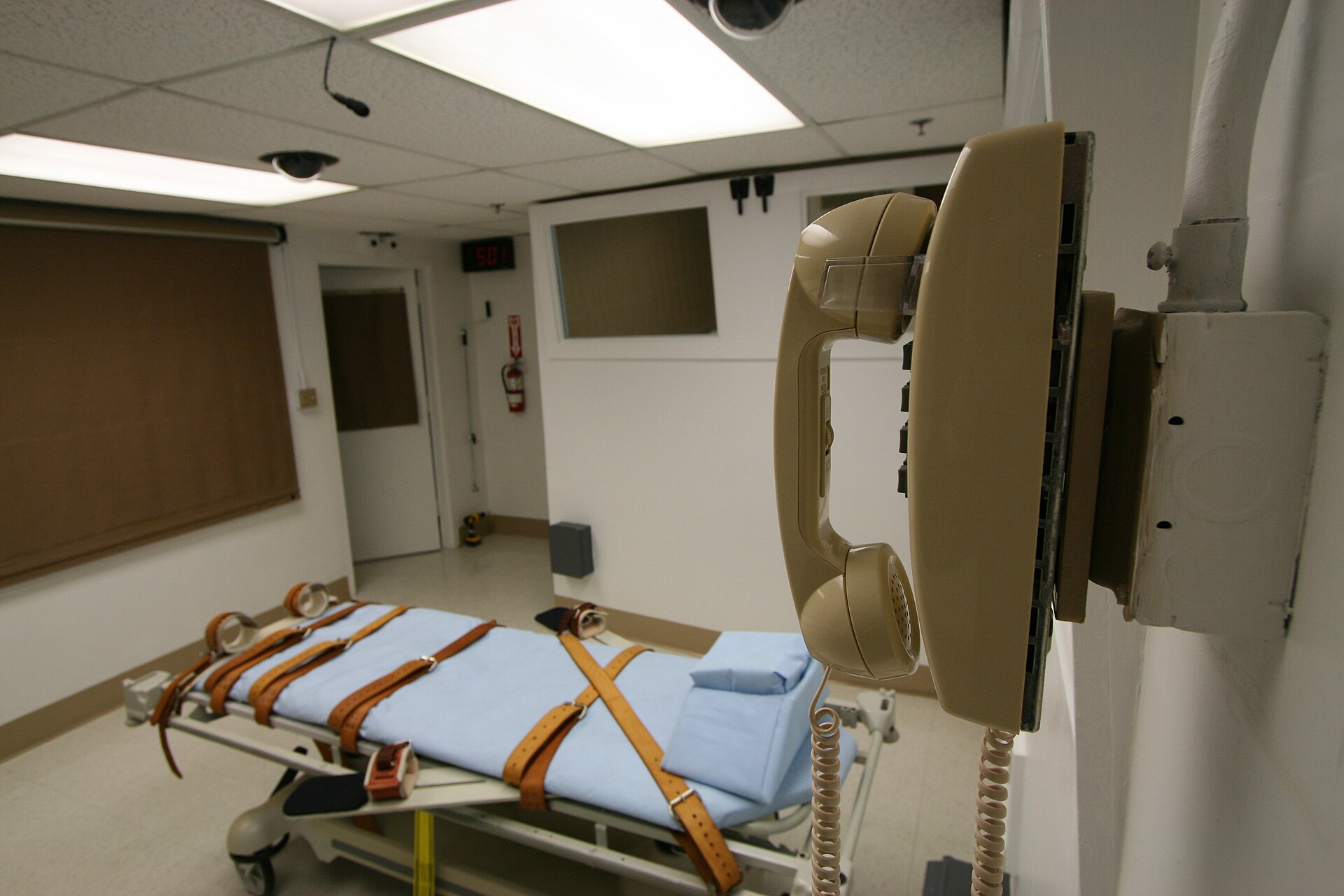
Florida’s execution of James Robertson is a grim spectacle that forces us to confront the state’s relentless death penalty machine. Scheduled for October 13, Robertson’s death is not just another statistic; it’s a glaring symbol of a system in overdrive.
Governor Ron DeSantis’s decision to cancel the execution of William Lee Thompson, a 74-year-old with severe health issues, has only intensified scrutiny. Robertson’s case stands out because he killed his cellmate in a calculated move to achieve this very outcome—a death sentence. He has waived every opportunity for appeal, making his execution a chilling testament to a system that might be too eager to oblige.
Florida’s execution spree under DeSantis, with 19 executions in 2025 alone, is unprecedented. The state is plowing ahead even as other states pause to reconsider their methods, especially after Tennessee’s botched execution attempt. Critics warn that Florida is on a collision course with disaster, risking human rights violations and international condemnation.
As the clock ticks down to Robertson’s execution, the question looms: Is Florida’s death penalty approach sustainable, or is it a runaway train destined for derailment? With two more executions lined up after Robertson, the state’s resolve will soon be tested.
DeSantis, who leaves office in January, oversaw 19 executions in 2025, the highest one-year total for a Florida governor since executions resumed in 1976. AP reported that Robertson would be Florida’s 17th execution of 2026, with two more already scheduled, not counting Thompson.
According to the Associated Press and a letter summarized by CBS Miami, Robertson strangled his cellmate, Frank Hart, with a garrote made from tied-together socks on December 10, 2008, while Hart slept at Charlotte Correctional Institution. That reversal collapsed what would have been Florida’s second double-execution day of 2026.
The cancellation made Robertson’s case more conspicuous because it left standing the execution of a man who, according to court records and state filings, said he killed specifically to be sentenced to death. AP reported that he pleaded guilty, waived the penalty phase where a jury would normally weigh life or death, and later waived all post-conviction proceedings.
Opponents have tied the state’s recent actions to the failed September 30 execution attempt of Christa Pike in Tennessee, where AP reported she survived after receiving two doses of pentobarbital. Grace Hanna of Floridians for Alternatives to the Death Penalty argued in the Thompson matter that there was “growing international attention” to capital punishment after Pike’s case and warned that Florida risked its own disaster, especially in medically compromised cases.
On Thursday, October 9, the Florida Supreme Court denied Thompson’s request for a stay, but hours later DeSantis withdrew the warrant anyway. Florida is set to carry out James Robertson’s execution on Tuesday, October 13, after an extraordinary week in which the state abruptly canceled a second execution scheduled for the same day, leaving Robertson’s case as the focal point of a fast-intensifying debate over Florida’s breakneck use of the death penalty.
AP reported that Robertson would be Florida’s 17th execution of 2026, with two more already scheduled, not counting Thompson. James Robertson killed his cellmate in 2008, explicitly seeking a death sentence, and waived all legal defenses.
Florida’s execution rate is the highest since 1976, with 19 executions in 2025 under DeSantis. Florida’s execution spree under DeSantis, with 19 executions in 2025 alone, is unprecedented.
That reversal collapsed what would have been Florida’s second double-execution day of 2026. The cancellation made Robertson’s case more conspicuous because it left standing the execution of a man who, according to court records and state filings, said he killed specifically to be sentenced to death.
AP reported that he pleaded guilty, waived the penalty phase where a jury would normally weigh life or death, and later waived all post-conviction proceedings. Opponents have tied the state’s recent actions to the failed September 30 execution attempt of Christa Pike in Tennessee, where AP reported she survived after receiving two doses of pentobarbital.
The scale and speed of this development has caught many observers off guard. Each new update adds another dimension to a story that is still unfolding, and the full picture will only become clear as more verified details emerge from the people and institutions directly involved.
Analysts who have tracked this issue closely say the current moment represents a genuine turning point. The decisions made in the coming weeks are expected to set the direction for months ahead, with ripple effects likely to extend well beyond the immediate actors in the story.
For those directly affected, the practical impact is already visible. People navigating this fast-changing situation are dealing with real consequences while new information continues to reshape what is known and what remains open to interpretation.
Historical parallels offer some context, though experts caution against drawing too close a comparison. Similar situations have played out before, but the specific combination of pressures, personalities, and timing here makes this moment distinct in ways that matter for how it ultimately resolves.
The political and economic dimensions of this story are deeply intertwined. What appears as a single event on the surface is in practice the convergence of multiple pressures that have been building quietly over a longer period than most public reporting has captured.