

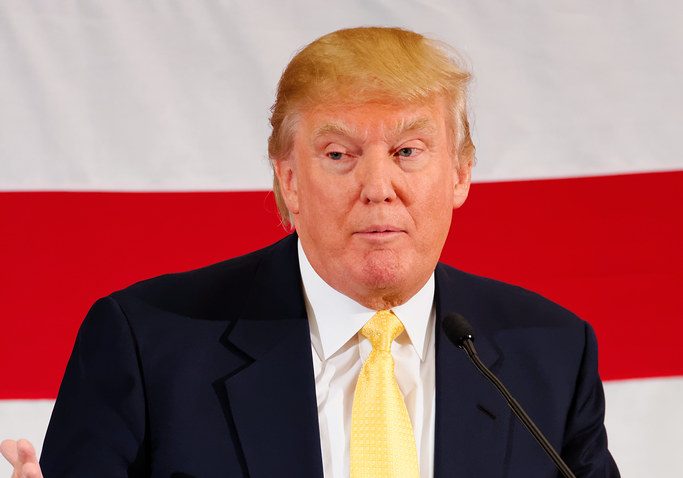

Quick Summary: Trumps Approval Ratings Drop as Economic Policies Face Backlash
- Trump’s approval ratings plummet to the low 30s — voters disapprove of his economic policies.
- Republicans show waning support — 37% want the party to move away from Trump.
- Economic dissatisfaction is key — only 21% approve of Trump’s handling of cost of living.
- Democrats capitalize on Trump’s unpopularity — airing 180,000 ads targeting him.
- Trump’s controversial policies continue — new Russia diesel deal adds to political liabilities.
Source: Open external resource
Source: Read original article
In a bold yet perilous move, Donald Trump is doubling down on policies that are increasingly unpopular among voters as the midterms loom. Recent polls reveal a stark reality: Trump’s approval ratings have sunk to the low 30s, with his handling of the economy serving as a major point of contention. Trumps is at the center of this development.
Even within his own party, the cracks are showing. A significant portion of Republicans, 37%, are expressing a desire for the party to distance itself from Trump. His economic policies, particularly those affecting the cost of living, are drawing widespread disapproval, with only about a fifth of voters supporting his approach.
Democrats are seizing the moment, flooding the airwaves with ads that target Trump’s policies, especially his economic decisions and foreign policy missteps. Their strategy is clear: make the midterms a referendum on Trump, a tactic that seems to be resonating with the electorate.
Meanwhile, Trump remains defiant, sticking to his guns with policies that many see as detrimental. His recent deal involving Russian diesel is only the latest in a series of controversial decisions that have added to his political liabilities. As the election approaches, the question remains whether Republican candidates will continue to align with Trump or seek to distance themselves from his polarizing influence.
3 trillion; Axios noted that a September Reuters/Ipsos poll found 63% of Americans disapproved of that idea. The clearest development in the latest reporting is numerical and brutal for Republicans: Axios reported Saturday, October 18, that three new national polls put Trump’s approval at 33% in the Washington Post-ABC News-Ipsos survey, 34% in NBC News, and 36% in Fox News, while Democrats led the generic congressional ballot by 8, 9, and 10 points respectively.
Even inside his own party, Fox and NBC each found only 76% approval among Republicans, while the Post put it at 79%, and 37% of Republicans and GOP-leaning independents said they want the party to move in a different direction from Trump. Even among Republicans, only 44% approve of Trump’s handling of the cost of living, and only 69% support him on foreign policy.
Jon Ossoff has spent nearly $3 million on a Trump-focused ad attacking Rep. The biggest new turn in this story is that a fresh run of national polling has pushed Donald Trump to some of the worst approval numbers of his second term just as he keeps defending the very policies Republicans say are hurting them most before the 2026 midterms.
Those same polls show Trump’s core political weakness is now the economy, with only 21% approving of his handling of the cost of living in the Post poll, 27% approving in NBC’s measure, and just 22% approving of his handling of inflation in Fox’s survey. ” AP found that about 8 in 10 registered voters disapprove of how Trump is handling the cost of living, and about three-quarters disapprove of his performance on the economy.
DonnaJean Weber, a 72-year-old Republican from Michigan, gave the kind of quote GOP strategists dread: “Everything’s going up,” she said. Axios reported earlier this month that in 41 of 62 competitive congressional races reviewed by Reuters, Republican candidates either broke with Trump on policy or downplayed their ties to him.
3 trillion; Axios noted that a September Reuters/Ipsos poll found 63% of Americans disapproved of that idea. Even inside his own party, Fox and NBC each found only 76% approval among Republicans, while the Post put it at 79%, and 37% of Republicans and GOP-leaning independents said they want the party to move in a different direction from Trump.
Republicans show waning support — 37% want the party to move away from Trump. Economic dissatisfaction is key — only 21% approve of Trump’s handling of cost of living.
A significant portion of Republicans, 37%, are expressing a desire for the party to distance itself from Trump. Even among Republicans, only 44% approve of Trump’s handling of the cost of living, and only 69% support him on foreign policy.
Jon Ossoff has spent nearly $3 million on a Trump-focused ad attacking Rep. Those same polls show Trump’s core political weakness is now the economy, with only 21% approving of his handling of the cost of living in the Post poll, 27% approving in NBC’s measure, and just 22% approving of his handling of inflation in Fox’s survey.
DonnaJean Weber, a 72-year-old Republican from Michigan, gave the kind of quote GOP strategists dread: “Everything’s going up,” she said. ID Trump’s approval ratings plummet to the low 30s — voters disapprove of his economic policies.
The scale and speed of this development has caught many observers off guard. Each new update adds another dimension to a story that is still unfolding, and the full picture will only become clear as more verified details emerge from the people and institutions directly involved.
Analysts who have tracked this issue closely say the current moment represents a genuine turning point. The decisions made in the coming weeks are expected to set the direction for months ahead, with ripple effects likely to extend well beyond the immediate actors in the story.
For those directly affected, the practical impact is already visible. People navigating this fast-changing situation are dealing with real consequences while new information continues to reshape what is known and what remains open to interpretation.
Historical parallels offer some context, though experts caution against drawing too close a comparison. Similar situations have played out before, but the specific combination of pressures, personalities, and timing here makes this moment distinct in ways that matter for how it ultimately resolves.
The political and economic dimensions of this story are deeply intertwined. What appears as a single event on the surface is in practice the convergence of multiple pressures that have been building quietly over a longer period than most public reporting has captured.