

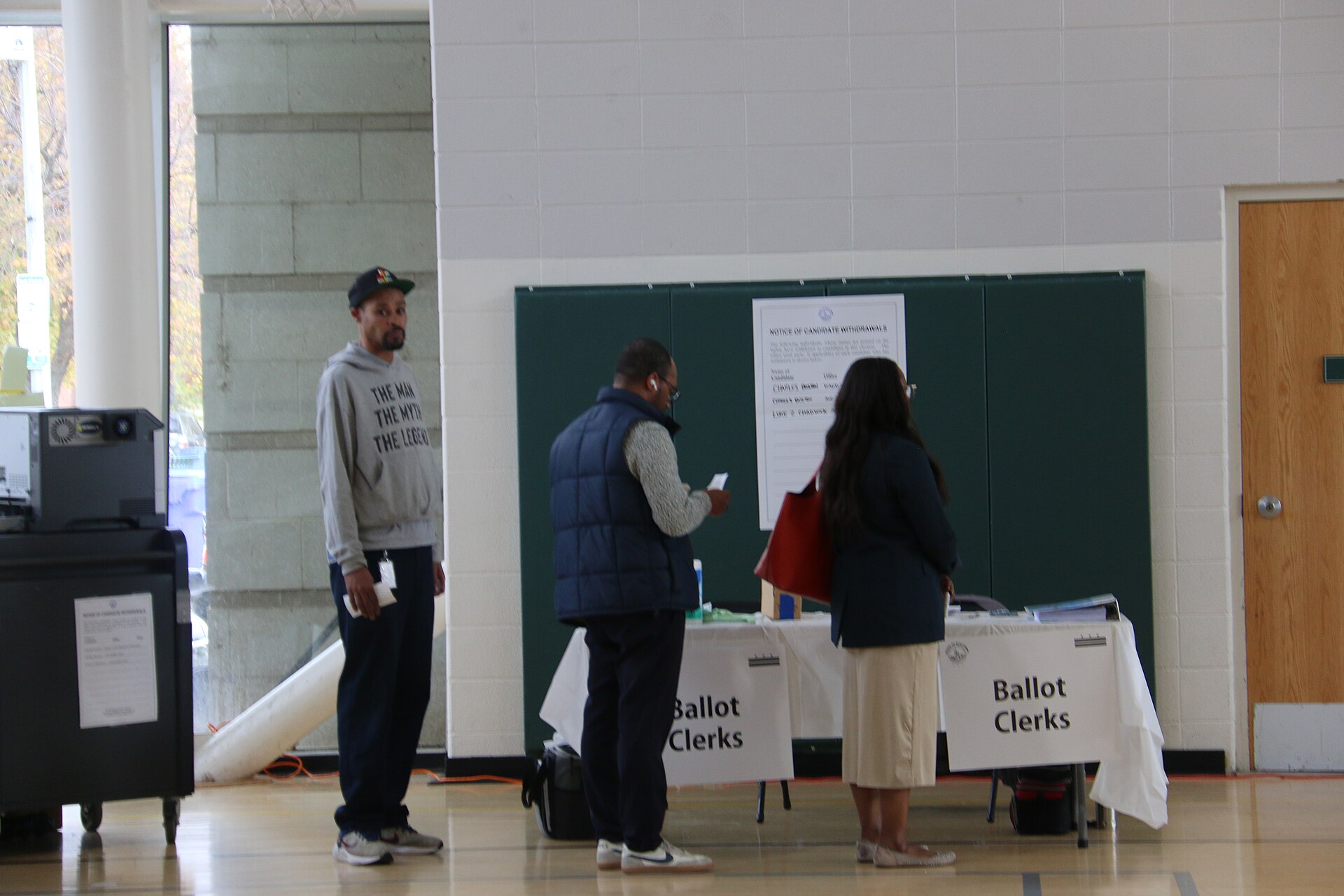

Quick Summary: Pinellas County Races Intensify as Amendment 3 Puts Pressure on Candidates
- Amendment 3 proposes raising Florida’s homestead exemption significantly by 2028, impacting local finances.
- Pinellas County has opened seven early voting sites, fewer than Hillsborough’s 27, highlighting regional disparities.
- Many local officials remain silent on Amendment 3, creating voter uncertainty and pressure in key races.
- Pinellas County Commission races are spotlighted, with candidates facing scrutiny over their stance on tax amendments.
- Early voting runs daily from October 19 to November 1, with the election on November 3, 2026.
Source: Open external resource
Source: Read original article
Early voting in Pinellas County is no longer just a procedural matter; it’s a battleground for a broader debate on Florida’s tax policies. With the November 2026 general election approaching, the spotlight is on Amendment 3, a proposal that could drastically alter property tax exemptions and, by extension, county finances.
Pinellas County has opened seven early voting sites, a stark contrast to neighboring Hillsborough’s 27. As voters head to the polls, the silence from many local officials on Amendment 3 is deafening. Axios Tampa Bay reports that over half of the local officials queried have not disclosed their position on the amendment, leaving voters in the dark about potential financial impacts.
The stakes are high in the Pinellas County Commission races, where candidates like Brian Scott and Kathleen Peters are under pressure to clarify their stances. The amendment’s proposed increase in homestead exemptions could squeeze local revenues, forcing officials to consider salary cuts or alternative funding methods.
As early voting continues from October 19 through November 1, the urgency is palpable. This election is not just about choosing leaders but also about deciding on the future financial framework of the county. The outcome will reveal whether these tax debates are resonating with voters and influencing turnout.
Axios said Amendment 3 would raise Florida’s homestead exemption from $50,000 to $150,000 by 2027 and then to $250,000 by 2028. Pinellas commissioners currently make about $126,500 a year, according to the same report, giving extra bite to demands that officials explain whether they would accept lower pay if local revenues are squeezed.
Pinellas has seven early-voting sites, fewer than neighboring Hillsborough’s 27, according to the station’s regional breakdown. In a report published today, Axios Tampa Bay said more than half the local elected officials it asked either “didn’t respond or declined to say” how they would vote on the amendment.
Among the marquee contests are Pinellas County Commission District 2, where Republican Brian Scott faces Democrat Tim Hughes, and District 6, where Republican Kathleen Peters is running against Democrat David Glenn Jr. The same Patch report also highlights St.
Welch, plus the School Board District 3 race between Curtis Campogni and Dawn Peters, underscoring that this is not just a routine turnout story but a countywide power contest. The most newsworthy conflict this week is not simply where people can vote, but what some of those candidates will do if voters approve Amendment 3.
Axios reported that Pinellas Commissioner Chris Latvala said he would vote yes and would cut his salary if it passes, while incumbent Republican candidates Kathleen Peters and Brian Scott, both on the November ballot in Pinellas, did not clearly state support for the measure in response to questions. on October 22, and Tampa Bay 28 separately noted that voters can bring a mail ballot to any early-voting location.
Pinellas County has opened seven early voting sites, fewer than Hillsborough’s 27, highlighting regional disparities. Many local officials remain silent on Amendment 3, creating voter uncertainty and pressure in key races.
The scale and speed of this development has caught many observers off guard. Each new update adds another dimension to a story that is still unfolding, and the full picture will only become clear as more verified details emerge from the people and institutions directly involved.
Analysts who have tracked this issue closely say the current moment represents a genuine turning point. The decisions made in the coming weeks are expected to set the direction for months ahead, with ripple effects likely to extend well beyond the immediate actors in the story.
For those directly affected, the practical impact is already visible. People navigating this fast-changing situation are dealing with real consequences while new information continues to reshape what is known and what remains open to interpretation.
Historical parallels offer some context, though experts caution against drawing too close a comparison. Similar situations have played out before, but the specific combination of pressures, personalities, and timing here makes this moment distinct in ways that matter for how it ultimately resolves.
The political and economic dimensions of this story are deeply intertwined. What appears as a single event on the surface is in practice the convergence of multiple pressures that have been building quietly over a longer period than most public reporting has captured.