


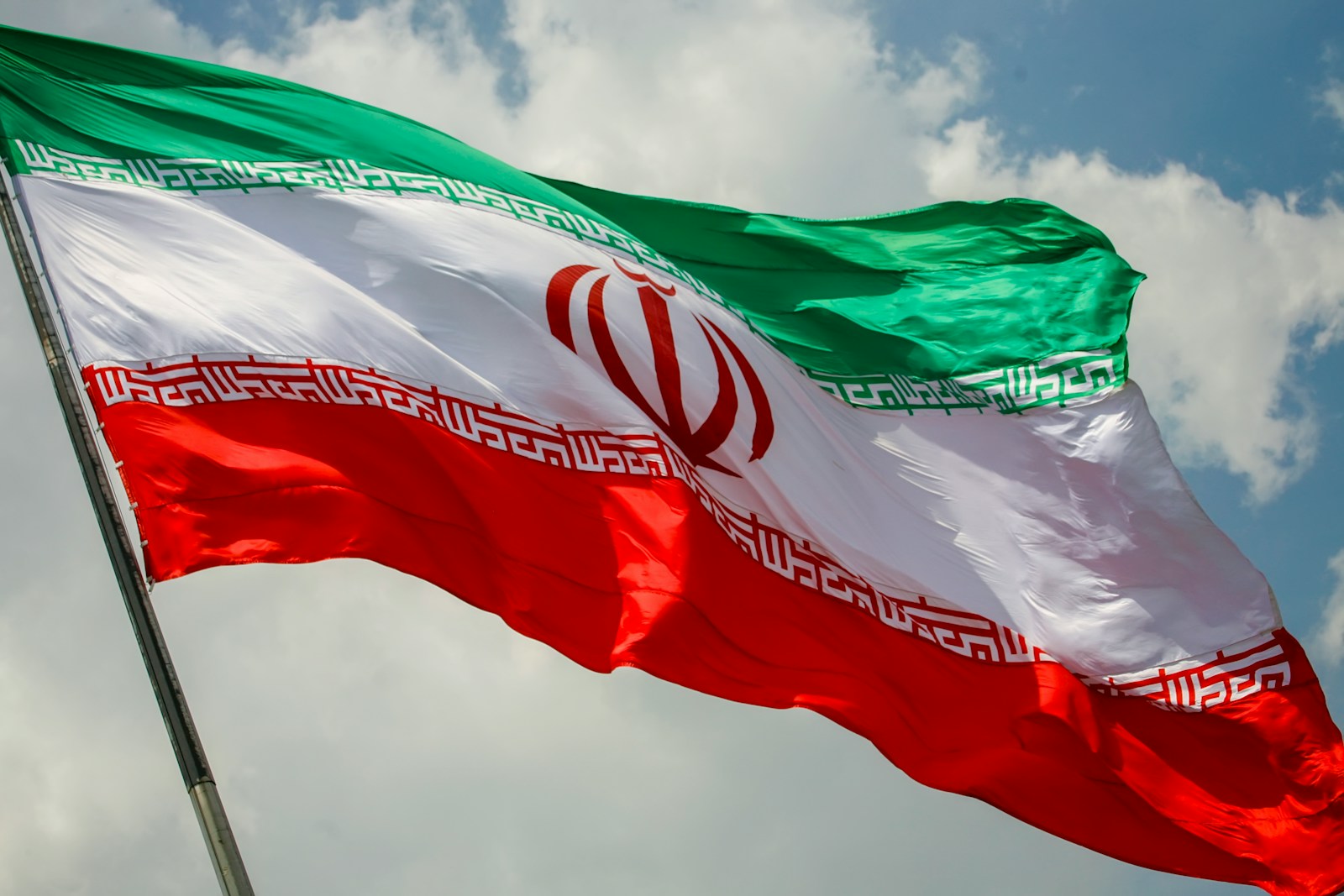

Quick Summary
- Iran struck Bahrain’s Riffa Air Base with six drones, signaling a regional escalation.
- The U.S.-Iran conflict is spilling into Gulf territory, challenging Washington’s deterrence.
- Yemen’s government forces retreated, indicating strategic shifts near the Bab al-Mandab Strait.
- Israel’s covert operations against Iranian generals raise human-rights concerns.
- U.S. aviation faced its worst disruption since 9/11, sparking political blame games.
Iran: Key Takeaways
S. influence in the Gulf. This aggressive move by Iran, which targeted radar positions, underscores the growing volatility in the region and the potential for further conflict.
The strike is a clear message from Iran that it will not tolerate military aggression from the United States or its allies. With peace talks stalled, the confrontation is no longer limited to proxy battles but has become a direct test of deterrence strategies by Washington and its Arab partners.
In Yemen, the situation is equally precarious as government forces retreat to defend Aden, leaving the strategically critical Bab al-Mandab Strait vulnerable to Houthi advances. This shift has significant implications for global shipping routes and regional stability.
Meanwhile, Israel’s controversial abductions of Iranian generals, linked to the search for missing navigator Ron Arad, have raised serious human-rights questions. These covert operations, despite conclusions that Iran was not involved in Arad’s disappearance, highlight the complex and often morally ambiguous nature of intelligence work.
S. faced a massive aviation disruption, with over 12,000 flights canceled due to infrastructure issues. The political fallout is intense, as debates rage over whether the blame lies with inherited infrastructure decay or current administrative failures.
Transportation Secretary Sean Duffy refused to apologize and blamed a contractor upgrading old copper wire to fiber-optic cable, while also pressing Congress for an additional $50 billion for air traffic control modernization. According to the summary, one general, Alireza Asgari, was abducted in Turkey in 2006 and killed after interrogation, while another, Abdullah Saberi, was kidnapped in Damascus in 2021 and later released in Johannesburg.
5 billion for Transportation Department upgrades and that only about $1 billion had been spent. In the Czech Republic, organizers said 350,000 people rallied in Prague on Sunday against Prime Minister Andrej Babiš’s plan to scrap broadcaster license fees and fund public media from the state budget, a move critics say would make Czech TV and Czech Radio more vulnerable to government control.
The most arresting investigative revelation in the brief is a New York Times finding that Israel abducted two Iranian generals in separate covert operations tied to the decades-old search for missing Israeli navigator Ron Arad, who disappeared in Lebanon in 1986. The second major military shift is in Yemen, where forces aligned with the internationally recognized government said Sunday they were retreating from areas around the Bab al-Mandab Strait to defend Aden after Houthi fighters advanced to within 40 miles of the interim capital.
One of the week’s biggest political surprises comes from Alaska, where Democrat Jonathan Kreiss-Tomkins won the governorship, giving Democrats control of 30 governorships nationwide and marking the party’s first Alaska governor’s win since 1998. In the same breath, the Houthis claimed a humanitarian gesture that also serves their political messaging: prisoner affairs chief Abdul Qader al-Murtada said the group had carried out its “largest and most extensive amnesty and release operation,” involving 600 detainees, many held for several years, including elderly and sick prisoners.
aviation disruption since September 11, 2001. 7 percentage points, or just over 10,000 votes, a margin that turns what had been a close race into a potentially broader warning sign for Republicans.
Yemen’s government forces retreated, indicating strategic shifts near the Bab al-Mandab Strait.
Iran: Key Takeaways Quick Summary Iran struck Bahrain’s Riffa Air Base with six drones, signaling a regional escalation. -Iran conflict is spilling into Gulf territory, challenging Washington’s deterrence.
Israel’s covert operations against Iranian generals raise human-rights concerns.
The scale and speed of this development has caught many observers off guard. Each new update adds another dimension to a story that is still unfolding, and the full picture will only become clear as more verified details emerge from the people and institutions directly involved.
Analysts who have tracked this issue closely say the current moment represents a genuine turning point. The decisions made in the coming weeks are expected to set the direction for months ahead, with ripple effects likely to extend well beyond the immediate actors in the story.
For those directly affected, the practical impact is already visible. People navigating this fast-changing situation are dealing with real consequences while new information continues to reshape what is known and what remains open to interpretation.
Historical parallels offer some context, though experts caution against drawing too close a comparison. Similar situations have played out before, but the specific combination of pressures, personalities, and timing here makes this moment distinct in ways that matter for how it ultimately resolves.
The political and economic dimensions of this story are deeply intertwined. What appears as a single event on the surface is in practice the convergence of multiple pressures that have been building quietly over a longer period than most public reporting has captured.