


Key Takeaways:
– Homelessness in the U.S. jumped by 18% in 2024.
– A single night in January revealed that over 770,000 people were without homes.
– Children experiencing homelessness rose by 33%, accounting for nearly 150,000.
– Homelessness among Americans aged 55 and over also increased significantly, impacting over 140,000 individuals.
Starting Up: A Grim Picture of Homelessness
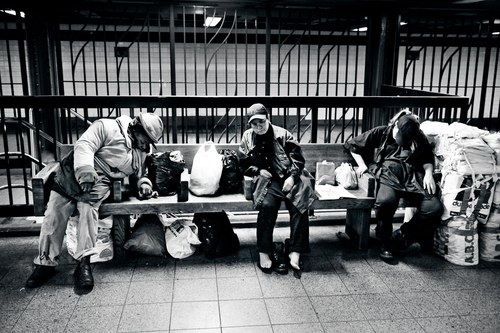
2024 unveiled a concerning escalation in U.S. homelessness. The Department of Housing and Urban Development’s annual report shows an 18% surge, bringing the total near a staggering 770,000. Imagine every person in a city like Seattle, living on the street, in shelters, or in temporary accommodation. That’s how substantial this issue is.
The Children’s Crisis
Downright troubling was the rise in child homelessness, with an alarming 33% increase from the previous year. To put it in perspective, nearly 150,000 children had no secure place to sleep on a single night in 2024. This suggests that for every ten kids you know, making up your school’s soccer team or the morning school bus, at least one faced the harsh realities of life without a stable home.
The Rising Homelessness Among Older Americans
The report showed an eerie rise in homelessness among older Americans too. Think about your grandparents and their friends. Over 140,000 individuals above the age of 55 wandered homeless in America in 2024. These mature citizens, who should be enjoying their retirement, instead grappled with the insecurity and uncertainty of life without a home.
In-Depth Analysis: Causes and Implications
Economists have linked numerous factors to the drastic upsurge in homelessness. A stagnant minimum wage, rising housing prices, insufficient affordable housing and high healthcare costs are among the main culprits. More than just numbers, this increase affects society in ways that are often overlooked. It reduces productivity, raises health care costs, and impacts the learning and development of young minds.
Let’s take the children affected, for instance. Constantly worrying about where they’ll sleep can affect their concentration and growth. Children who are homeless often have lower academic performance and face higher risks of physical and mental health issues, making it harder for them to break out of the cycle of poverty.
As for older homeless people, they are at a higher risk of developing severe health problems. Life on the streets can worsen existing conditions such as hypertension or diabetes and may also lead to new health problems, including respiratory illnesses and physical injuries.
Looking Forward: Solutions Needed
To combat homelessness effectively, we need to address the root causes. Affordable housing initiatives, guaranteed living wages, and accessible healthcare are pivotal in this fight. Investing in education and job training programs can also create a path out of homelessness. But for any of this to work, commitment is needed at every level, from government officials to everyday citizens.
The rising homelessness figures from 2024 are indeed disconcerting. Yet, they serve as a potent reminder of the work that needs to be done. We all have a role to play in tackling this crisis. To ensure a brighter, secure future for all Americans – whether young, old or somewhere in between – it’s time to act.
Digital Chew is dedicated to bringing you the latest stories and updates on important issues such as these, so stay tuned for more information and ways you can help address the crisis of homelessness in America.