
62.7 F
San Francisco
Wednesday, June 17, 2026
Home Blog Page 73

WHO Declares International Emergency as Ebola Outbreak Worsens

0

Quick Summary: WHO Declares International Emergency as Ebola Outbreak Worsens

  • WHO declared Ebola outbreak in DR Congo a Public Health Emergency of International Concern on May 17.
  • As of May 16, 8 laboratory-confirmed cases, 246 suspected cases, and 80 suspected deaths were reported in Ituri Province.
  • Uganda confirmed two Ebola cases in Kampala, raising international alarm.
  • The outbreak’s detection was delayed by four weeks, exacerbating community transmission.
  • WHO is deploying resources and expertise to contain the outbreak and prevent regional spread.

Ebola emergency: Key Takeaways

Ebola emergency is at the center of this developing story, and the following analysis explains what matters most right now.

The World Health Organization’s declaration of the Ebola outbreak in the Democratic Republic of the Congo as a Public Health Emergency of International Concern is a stark reminder of the global health challenges we face. This decision, made on May 17, underscores the severity of the situation as the virus threatens to cross borders and escalate into a wider crisis.

With 8 confirmed cases, 246 suspected cases, and 80 suspected deaths in Ituri Province, the numbers are alarming. The outbreak’s detection was delayed by a critical four weeks, allowing the virus to spread undetected. This delay highlights significant gaps in the local health system’s ability to respond swiftly and effectively.

Uganda’s confirmation of two Ebola cases in Kampala further complicates the situation, as it indicates the virus’s potential to spread internationally. WHO’s response involves deploying additional resources and expertise to contain the outbreak and prevent further transmission.

In the face of this crisis, the focus must be on closing the surveillance gap and implementing effective outbreak control measures. The lack of approved Bundibugyo-specific vaccines or treatments makes this an urgent priority. The coming days will test the resilience of local and international health systems in preventing a regional catastrophe.

The most striking numbers in the latest WHO reporting are these: as of May 16, officials had identified 8 laboratory-confirmed cases, 246 suspected cases, and 80 suspected deaths in Ituri Province across at least Bunia, Rwampara, and Mongbwalu. WHO’s Africa office said the 8 confirmations came from 13 samples tied to a cluster of severe illness and deaths, and separately reported “a total of 80 community deaths suspected to be due to Ebola Bundibugyo” in the current Congolese outbreak.

WHO says Uganda confirmed two laboratory-confirmed cases in Kampala on May 15 and May 16, including one death, involving travelers from DRC with no apparent link to each other; a separate traveler from Ituri to Kinshasa initially raised alarm on May 16 but tested negative on confirmatory testing and is not considered a confirmed case. ” WHO’s immediate next steps are the issuance of temporary recommendations under the International Health Regulations, while affected countries are being told to intensify isolation, contact monitoring for 21 days after exposure, and travel restrictions for contacts and confirmed cases.

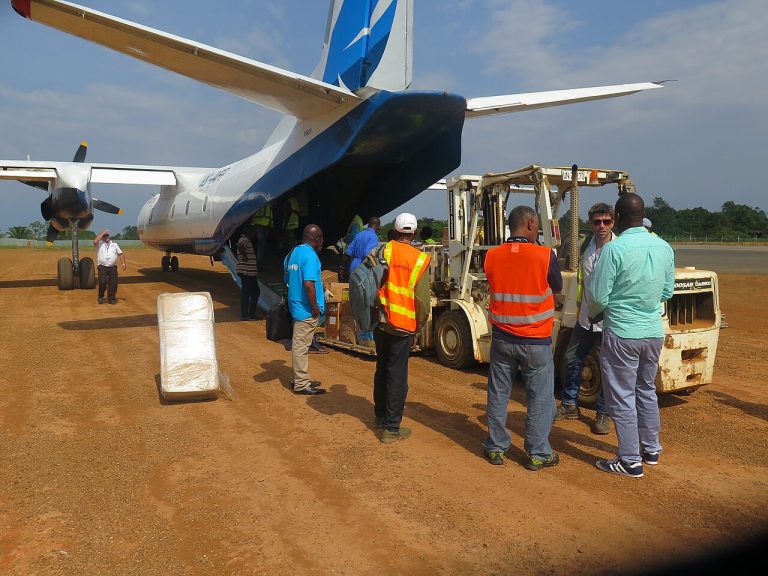
” WHO says it is airlifting 5 metric tonnes of supplies from Kinshasa to Bunia, while Congolese authorities have activated emergency coordination mechanisms and sent additional rapid-response teams into affected areas. WHO says four healthcare workers were infected and died within four days at Mongbwalu General Referral Hospital, a detail the agency says “underscores critical breaches in IPC protocols,” meaning infection prevention and control.

What happens next will hinge on whether officials can close the surveillance gap before more suspected deaths turn into confirmed chains of transmission. int) The central reason this story has escalated so fast is a dangerous detection failure.

The sharpest controversy in the response is not over whether Ebola is real, but over whether health systems failed to catch it and contain it in time. int) Key officials are now framing this as a race against mobility and geography.

With 8 confirmed cases, 246 suspected cases, and 80 suspected deaths in Ituri Province, the numbers are alarming. Uganda confirmed two Ebola cases in Kampala, raising international alarm.

This delay highlights significant gaps in the local health system’s ability to respond swiftly and effectively. WHO’s response involves deploying additional resources and expertise to contain the outbreak and prevent further transmission.

The scale and speed of this development has caught many observers off guard. Each new update adds another dimension to a story that is still unfolding, and the full picture will only become clear as more verified details emerge from the people and institutions directly involved.

Analysts who have tracked this issue closely say the current moment represents a genuine turning point. The decisions made in the coming weeks are expected to set the direction for months ahead, with ripple effects likely to extend well beyond the immediate actors in the story.

For those directly affected, the practical impact is already visible. People navigating this fast-changing situation are dealing with real consequences while new information continues to reshape what is known and what remains open to interpretation.

Historical parallels offer some context, though experts caution against drawing too close a comparison. Similar situations have played out before, but the specific combination of pressures, personalities, and timing here makes this moment distinct in ways that matter for how it ultimately resolves.

The political and economic dimensions of this story are deeply intertwined. What appears as a single event on the surface is in practice the convergence of multiple pressures that have been building quietly over a longer period than most public reporting has captured.

Read more on Digital Chew

China Agrees to Boost Trade in US Beef and Poultry

0

Quick Summary: China Agrees to Boost Trade in US Beef and Poultry

  • China agreed to buy U.S. agricultural products at $17 billion annually from 2026 to 2028, easing pressure from Trump’s trade war.
  • China will reopen channels for U.S. beef and poultry imports, addressing market access barriers.
  • The White House announced the $17 billion figure on May 17, following Trump’s return from Beijing.
  • China’s commerce ministry confirmed tariff reductions and market-access barrier resolutions on May 16.
  • The agreement includes reciprocal commitments, with the U.S. addressing Chinese trade complaints.

Chinas $17: Key Takeaways

Chinas $17 is at the center of this developing story, and the following analysis explains what matters most right now.

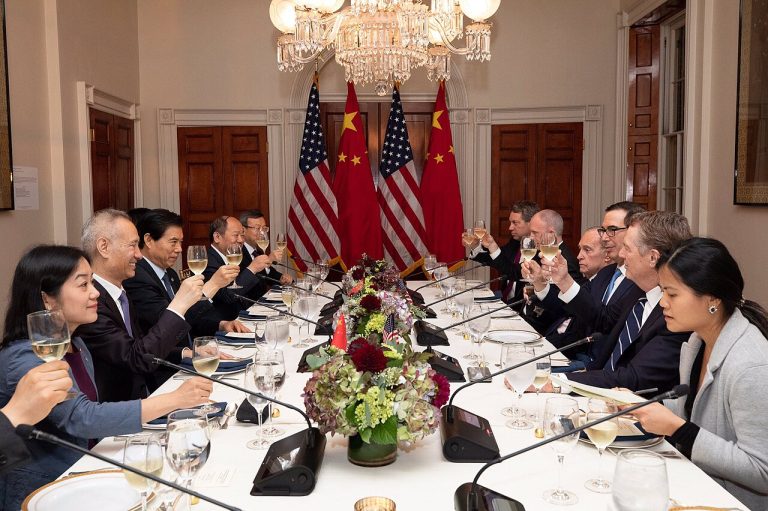
In a move that could reshape agricultural trade dynamics, China has committed to purchasing U.S. agricultural products at an annual rate of $17 billion starting in 2026. This commitment, announced by the White House, aims to alleviate the political pressure on American farmers impacted by the trade war initiated by Donald Trump.

The agreement is not just a vague promise but a specific commitment to restore market access for U.S. beef and poultry, which had been restricted. This move is seen as a significant step forward in reducing trade tensions between the two economic giants.

While the agricultural sector sees immediate benefits, the broader implications of this deal remain uncertain. The commitment comes amid unresolved issues over tariffs and geopolitical tensions, indicating that while agriculture may be a point of progress, other areas of U.S.-China relations remain fraught with challenges.

On May 16, China’s commerce ministry said both sides had agreed to expand farm trade through tariff reductions and to tackle market-access barriers. agricultural products at an annualized rate of $17 billion in 2026 and keep purchases at that level through 2027 and 2028, a commitment aimed squarely at easing political pressure from American farmers hit by Trump’s trade war.

complaints over registration of beef processing facilities and blocked poultry shipments, turning what had been a symbolic summit talking point into a set of highly specific trade-access moves. By May 17-18, the White House put a number on it: $17 billion a year in 2026, 2027 and 2028, plus reopened channels for beef and some poultry.

states that American authorities classify as free of bird flu, according to the White House summary carried by AP and other outlets on Sunday, May 17 and Monday, May 18. AP’s reporting also places the timing sharply: Trump returned from Beijing on Friday, May 15, and the White House released the agriculture announcement on Sunday, May 17.

On May 13, reporting ahead of Trump’s arrival in Beijing said agriculture was one of the few areas where negotiators might be able to show visible progress. On May 15, Reuters reported Greer’s “double-digit billions” expectation.

farmers from the trade confrontation he launched, while Xi used the summit to project stability without surrendering leverage on bigger disputes such as tariffs, Taiwan and broader strategic rivalry. Trade Representative Jamieson Greer, who previewed the scope of the announcement before the summit package was finalized.

The White House announced the $17 billion figure on May 17, following Trump’s return from Beijing. China’s commerce ministry confirmed tariff reductions and market-access barrier resolutions on May 16.

On May 16, China’s commerce ministry said both sides had agreed to expand farm trade through tariff reductions and to tackle market-access barriers. Chinas $17: Key Takeaways Chinas $17 is at the center of this developing story, and the following analysis explains what matters most right now.

agricultural products at $17 billion annually from 2026 to 2028, easing pressure from Trump’s trade war. agricultural products at an annual rate of $17 billion starting in 2026.

agricultural products at an annualized rate of $17 billion in 2026 and keep purchases at that level through 2027 and 2028, a commitment aimed squarely at easing political pressure from American farmers hit by Trump’s trade war. By May 17-18, the White House put a number on it: $17 billion a year in 2026, 2027 and 2028, plus reopened channels for beef and some poultry.

AP’s reporting also places the timing sharply: Trump returned from Beijing on Friday, May 15, and the White House released the agriculture announcement on Sunday, May 17. On May 13, reporting ahead of Trump’s arrival in Beijing said agriculture was one of the few areas where negotiators might be able to show visible progress.

The scale and speed of this development has caught many observers off guard. Each new update adds another dimension to a story that is still unfolding, and the full picture will only become clear as more verified details emerge from the people and institutions directly involved.

Analysts who have tracked this issue closely say the current moment represents a genuine turning point. The decisions made in the coming weeks are expected to set the direction for months ahead, with ripple effects likely to extend well beyond the immediate actors in the story.

For those directly affected, the practical impact is already visible. People navigating this fast-changing situation are dealing with real consequences while new information continues to reshape what is known and what remains open to interpretation.

Historical parallels offer some context, though experts caution against drawing too close a comparison. Similar situations have played out before, but the specific combination of pressures, personalities, and timing here makes this moment distinct in ways that matter for how it ultimately resolves.

The political and economic dimensions of this story are deeply intertwined. What appears as a single event on the surface is in practice the convergence of multiple pressures that have been building quietly over a longer period than most public reporting has captured.

Read more on Digital Chew

Morrisey’s West Virginia Primary Highlights GOP Divisions

Quick Summary: Morrisey’s West Virginia Primary Highlights GOP Divisions

  • WV News reported over $5 million spent by Morrisey and Capito-aligned groups in the primary.
  • Morrisey-backed groups spent $2.4 million, yet several targeted incumbents survived.
  • Capito’s campaign contributed $250,000 to support business-friendly candidates.
  • School Freedom Fund spent $1 million, celebrating 12 candidate wins.
  • Morrisey’s major Senate efforts largely failed despite heavy spending.

The West Virginia GOP primary was a battleground of ambition and influence, with Governor Patrick Morrisey at the helm of a high-stakes political showdown. His attempt to reshape the Republican supermajority was met with both success and resistance, as millions were poured into the effort to unseat incumbents.

Despite the aggressive campaign spending by Morrisey-aligned groups, including Sugar Maple PAC and Americans for Prosperity, the results were mixed. While some of Morrisey’s targets fell, others, like former Senate Majority Leader Tom Takubo, held their ground, demonstrating the limits of Morrisey’s reach.

This primary was not just a contest of candidates but a clash of ideologies within the GOP. Morrisey’s push for a more ideologically driven party faced off against the business-oriented approach backed by Senator Shelley Moore Capito. The results highlighted a party divided yet still dominated by traditional power structures.

As the dust settles, the November 2026 general election looms, but the immediate impact is a legislature poised for internal battles. Morrisey’s influence is undeniable, yet not absolute, ensuring that the political landscape in West Virginia remains dynamic and unpredictable.

WV News reported that more than $336,000 was spent by Morrisey-linked groups trying to oust former Senate Majority Leader Tom Takubo, yet Takubo beat former Del. Capito’s federal campaign added $250,000 in April to the Mountaineer Freedom Alliance-Action Fund, which raised $500,000 total in that reporting period and backed business-friendly candidates in 12 contested Senate races.

School Freedom Fund, tied to Club for Growth, said it spent more than $1 million in the primaries and celebrated 12 candidate wins. 4 million into the primary fight, with Americans for Prosperity spending $722,625 and School Freedom Fund $682,088.

In another marquee showdown, more than $270,000 was spent to defeat Deeds, and Morrisey and first lady Denise Morrisey personally campaigned in Greenbrier County for Comer, but Deeds still won by 34 points. That set up direct proxy fights between Morrisey and Capito in races such as Senate District 10, where Capito backed incumbent Vince Deeds while Morrisey backed pastor Jonathan Comer.

Scot Heckert after nearly $185,000 was spent against them. WV News said 11 House incumbents lost overall, and of the eight GOP House races where Morrisey-affiliated groups spent money, four went their way.

Fourteen Senate incumbents secured Republican nominations, underscoring that the governor’s influence is growing but not dominant. The broader next step is the November 3, 2026 general election, but the more immediate consequence is that the Legislature now heads toward the next session with Morrisey strengthened enough to matter in every internal GOP fight, yet not so strong that Capito-aligned incumbents or legislative leaders can be written off.

WV News reported that more than $336,000 was spent by Morrisey-linked groups trying to oust former Senate Majority Leader Tom Takubo, yet Takubo beat former Del. Quick Summary: Election Highlights GOP Divisions, Morrisey’s West Virginia Primary WV News reported over $5 million spent by Morrisey and Capito-aligned groups in the primary.

Capito’s federal campaign added $250,000 in April to the Mountaineer Freedom Alliance-Action Fund, which raised $500,000 total in that reporting period and backed business-friendly candidates in 12 contested Senate races. School Freedom Fund, tied to Club for Growth, said it spent more than $1 million in the primaries and celebrated 12 candidate wins.

Capito’s campaign contributed $250,000 to support business-friendly candidates. As the dust settles, the November 2026 general election looms, but the immediate impact is a legislature poised for internal battles.

4 million into the primary fight, with Americans for Prosperity spending $722,625 and School Freedom Fund $682,088. In another marquee showdown, more than $270,000 was spent to defeat Deeds, and Morrisey and first lady Denise Morrisey personally campaigned in Greenbrier County for Comer, but Deeds still won by 34 points.

4 million, yet several targeted incumbents survived. School Freedom Fund spent $1 million, celebrating 12 candidate wins.

The scale and speed of this development has caught many observers off guard. Each new update adds another dimension to a story that is still unfolding, and the full picture will only become clear as more verified details emerge from the people and institutions directly involved.

Analysts who have tracked this issue closely say the current moment represents a genuine turning point. The decisions made in the coming weeks are expected to set the direction for months ahead, with ripple effects likely to extend well beyond the immediate actors in the story.

For those directly affected, the practical impact is already visible. People navigating this fast-changing situation are dealing with real consequences while new information continues to reshape what is known and what remains open to interpretation.

Historical parallels offer some context, though experts caution against drawing too close a comparison. Similar situations have played out before, but the specific combination of pressures, personalities, and timing here makes this moment distinct in ways that matter for how it ultimately resolves.

The political and economic dimensions of this story are deeply intertwined. What appears as a single event on the surface is in practice the convergence of multiple pressures that have been building quietly over a longer period than most public reporting has captured.

Read more on Digital Chew

West Hartford Business News and Openings for May 18

0

Quick Summary: West Hartford Business News and Openings for May 18

  • The opening of Xtrait Perfumery at 968 Farmington Avenue marks a shift towards niche retail in West Hartford Center.
  • Matt Rusconi plans to open The Brownstone West Hartford, a pizza pub, by late spring or early summer 2026.
  • Local police increased patrols at Westfarms following social media buzz about a teen gathering, highlighting security concerns.
  • The Seniors Job Bank announced new 2026 officers, reflecting leadership changes in the local business community.
  • Recognition of Town Clerk Leon Davidoff on the 2026 Municipal Clerks Honor Roll underscores civic and business overlaps.

West Hartford is buzzing with business activity, marked by the opening of Xtrait Perfumery at 968 Farmington Avenue. This new store exemplifies the trend of niche retail concepts thriving in the high-foot-traffic economy of West Hartford Center, challenging the dominance of chain stores.

Adding to this dynamic, The Brownstone West Hartford, a neighborhood pizza pub, is set to open by late spring or early summer 2026, as announced by owner Matt Rusconi. This signals a wave of repositioning in prime locations, indicating a competitive local commercial landscape.

Security concerns have also surfaced, with police increasing patrols at Westfarms after social media posts suggested a teen gathering. This highlights the delicate balance between growth and maintaining public order in West Hartford’s business climate.

Meanwhile, the announcement of new officers for the Seniors Job Bank and the recognition of Town Clerk Leon Davidoff on the Municipal Clerks Honor Roll reflect the intertwined civic and business ecosystems of the town.

Another fresh business-side data point came May 15, when Seniors Job Bank, headquartered at West Hartford Town Hall and serving the Greater Hartford area, announced a new slate of 2026 officers. Owner Matt Rusconi told We-Ha, “The Brownstone West Hartford is a come-as-you-are neighborhood pizza pub,” and said the concept will feature “New York-style slices, 18-inch large pies, 12-inch personal pies, smash burgers, chicken sandwiches, salads, and more,” with an opening targeted for late spring or early summer 2026.

The immediate next milestones are additional opening details from businesses already in the pipeline, especially The Brownstone’s expected late-spring or early-summer 2026 debut at 7 South Main Street, along with whatever follow-up Westfarms and local police provide after the May 16 security buildup. On May 15, police in West Hartford and Farmington said they would increase patrols at Westfarms after social media posts promoted a May 16 “teen takeover,” adding a security dimension to the local business climate just days before the May 18 Buzz landed.

What makes this item the clearest development in the May 18, 2026 report is that it is not just another rumor or permit filing: the roundup identifies Xtrait Perfumery as now open, which gives the story a concrete, current hook on May 18 itself. Meanwhile, just a week earlier, West Hartford Town Clerk Leon Davidoff was recognized as one of 900 municipal clerks from 41 states on the 2026 Municipal Clerks Honor Roll, showing how the town’s civic and business ecosystems are overlapping in public-facing local coverage.

If Xtrait Perfumery’s opening gains traction, it could become an early indicator of whether West Hartford’s most visible retail blocks still reward small-format specialty concepts in 2026, or whether this latest splash is only one moment in an increasingly volatile cycle of turnover. Officials said there would be “zero tolerance for disruptive behavior,” turning what might have been a routine mall weekend into a test of how the region protects a major retail destination while maintaining customer confidence.

One of the most notable parallel moves is The Brownstone West Hartford, planned for 7 South Main Street in the former Sam’s Gyro space. A perfumery opening at 968 Farmington Avenue is compelling precisely because it is a specialized, experience-driven retail use, not a generic vacancy fill.

Adding to this dynamic, The Brownstone West Hartford, a neighborhood pizza pub, is set to open by late spring or early summer 2026, as announced by owner Matt Rusconi. Owner Matt Rusconi told We-Ha, “The Brownstone West Hartford is a come-as-you-are neighborhood pizza pub,” and said the concept will feature “New York-style slices, 18-inch large pies, 12-inch personal pies, smash burgers, chicken sandwiches, salads, and more,” with an opening targeted for late spring or early summer 2026.

On May 15, police in West Hartford and Farmington said they would increase patrols at Westfarms after social media posts promoted a May 16 “teen takeover,” adding a security dimension to the local business climate just days before the May 18 Buzz landed. Quick Summary: West Hartford Business Buzz : May 18, 2026 The opening of Xtrait Perfumery at 968 Farmington Avenue marks a shift towards niche retail in West Hartford Center.

Matt Rusconi plans to open The Brownstone West Hartford, a pizza pub, by late spring or early summer 2026. Meanwhile, just a week earlier, West Hartford Town Clerk Leon Davidoff was recognized as one of 900 municipal clerks from 41 states on the 2026 Municipal Clerks Honor Roll, showing how the town’s civic and business ecosystems are overlapping in public-facing local coverage.

The scale and speed of this development has caught many observers off guard. Each new update adds another dimension to a story that is still unfolding, and the full picture will only become clear as more verified details emerge from the people and institutions directly involved.

Analysts who have tracked this issue closely say the current moment represents a genuine turning point. The decisions made in the coming weeks are expected to set the direction for months ahead, with ripple effects likely to extend well beyond the immediate actors in the story.

For those directly affected, the practical impact is already visible. People navigating this fast-changing situation are dealing with real consequences while new information continues to reshape what is known and what remains open to interpretation.

Historical parallels offer some context, though experts caution against drawing too close a comparison. Similar situations have played out before, but the specific combination of pressures, personalities, and timing here makes this moment distinct in ways that matter for how it ultimately resolves.

The political and economic dimensions of this story are deeply intertwined. What appears as a single event on the surface is in practice the convergence of multiple pressures that have been building quietly over a longer period than most public reporting has captured.
Read more on Digital Chew

NASCAR All-Star Race 2026: Full Results and Winner

Quick Summary: NASCAR All-Star Race 2026: Full Results and Winner

  • Denny Hamlin won the NASCAR All-Star Race at Dover, defeating Chase Briscoe with 29 laps left.
  • Hamlin’s victory marks his second All-Star win, previously winning at Charlotte in 2015.
  • NASCAR’s coverage highlighted a major crash on Lap 2, causing a 13-minute red flag.
  • Tyler Reddick won Segment 2, showcasing his dominance in the 2026 season.
  • The race format, involving multiple crashes, sparked debate over its chaotic nature.

NASCAR All: Key Takeaways

Denny Hamlin’s triumph at the NASCAR All-Star Race in Dover wasn’t just another win; it was a statement. With a decisive pass over teammate Chase Briscoe, Hamlin not only claimed the $1 million prize but also stirred a conversation about the chaotic nature of the event.

The race was marked by a massive crash just two laps in, halting the action for over 13 minutes. This set the tone for a night where survival seemed as crucial as speed. Hamlin’s victory, his second in an All-Star setting, places him among the elite who have won at multiple tracks, yet it was the unpredictable format that stole the spotlight.

While Joe Gibbs Racing celebrated a one-two finish with Briscoe and Hamlin leading the pack, the race’s structure came under scrutiny. The event’s non-points format, designed for excitement, instead delivered chaos, raising questions about its impact on the sport’s integrity.

As NASCAR gears up for the Coca-Cola 600 at Charlotte, the Dover spectacle leaves a lingering question: Was the chaos thrilling, excessive, or both? Hamlin’s win is undeniable, but the debate over the race’s format might just overshadow his achievement.

Denny Hamlin delivered the headline result Sunday, May 17, 2026, winning the NASCAR All-Star Race at Dover from the pole, passing Joe Gibbs Racing teammate Chase Briscoe with 29 laps left and cashing the event’s $1 million prize. 887 seconds in the 200-lap final segment, giving Hamlin his second career All-Star Race victory and making him just the third driver to win the event at multiple tracks after previously taking it at Charlotte in 2015.

Hamlin and Briscoe finished first and second for JGR, and Tyler Reddick — identified by NASCAR as “2026’s most dominant driver so far” — won Segment 2 after passing Briscoe with nine laps remaining in that stage. That means Hamlin leaves Dover with the $1 million check and a statement win, but no playoff points or standings gain, while teams that spent Sunday repairing wrecked cars now have one week to turn around for one of the season’s marquee points races.

NASCAR’s official race coverage described a “massive Lap 2 tangle” that triggered a 13-minute, 26-second red flag almost immediately, and another nine-car chain-reaction crash closed the first segment. The central drama was not just who won, but how violent and unstable the format became at Dover.

One of the more surprising twists was that drivers who were not even guaranteed a place in the main event woke up Sunday and ended up with some of the strongest runs of the night. 60 RFK Racing Ford “burst into flames” after contact involving Todd Gilliland.

The controversy driving the conversation around this race is the format itself: a three-phase, non-points event at Dover that produced repeated multi-car wrecks and left “just finishing the third and final phase” as “essentially an accomplishment,” according to NASCAR’s own race recap. The structure had two 75-lap opening segments followed by a 200-lap finale that included 19 locked-in drivers, the six best performers from the opening segments, and one Fan Vote winner.

Full Results From 2026 All – Star Race in Who Won the Denny Hamlin won the NASCAR All-Star Race at Dover, defeating Chase Briscoe with 29 laps left. Hamlin’s victory marks his second All-Star win, previously winning at Charlotte in 2015.

Tyler Reddick won Segment 2, showcasing his dominance in the 2026 season. With a decisive pass over teammate Chase Briscoe, Hamlin not only claimed the $1 million prize but also stirred a conversation about the chaotic nature of the event.

NASCAR’s official race coverage described a “massive Lap 2 tangle” that triggered a 13-minute, 26-second red flag almost immediately, and another nine-car chain-reaction crash closed the first segment. Hamlin’s victory, his second in an All-Star setting, places him among the elite who have won at multiple tracks, yet it was the unpredictable format that stole the spotlight.

The scale and speed of this development has caught many observers off guard. Each new update adds another dimension to a story that is still unfolding, and the full picture will only become clear as more verified details emerge from the people and institutions directly involved.

Analysts who have tracked this issue closely say the current moment represents a genuine turning point. The decisions made in the coming weeks are expected to set the direction for months ahead, with ripple effects likely to extend well beyond the immediate actors in the story.

For those directly affected, the practical impact is already visible. People navigating this fast-changing situation are dealing with real consequences while new information continues to reshape what is known and what remains open to interpretation.

Historical parallels offer some context, though experts caution against drawing too close a comparison. Similar situations have played out before, but the specific combination of pressures, personalities, and timing here makes this moment distinct in ways that matter for how it ultimately resolves.

The political and economic dimensions of this story are deeply intertwined. What appears as a single event on the surface is in practice the convergence of multiple pressures that have been building quietly over a longer period than most public reporting has captured.

Read more on Digital Chew

Rupee Hits Fresh Record Low as Iran War Fuels Oil Shock

0

Quick Summary: Rupee Hits Fresh Record Low as Iran War Fuels Oil Shock

  • India’s rupee hit a new low of 96.18 per U.S. dollar, marking a five-session streak of record lows due to the Iran conflict and high oil prices.
  • India raised petrol and diesel prices by over 3% on May 15, ending a four-year freeze, highlighting economic strain.
  • BofA Global Research predicts India’s current account deficit to exceed 2% of GDP, a critical threshold for sustainable financing.
  • Foreign investors have withdrawn over $20 billion from Indian equities since the Iran conflict began, exacerbating economic pressure.
  • DBS warns that the rupee, along with other Asian currencies, remains under pressure unless oil prices fall below $100.

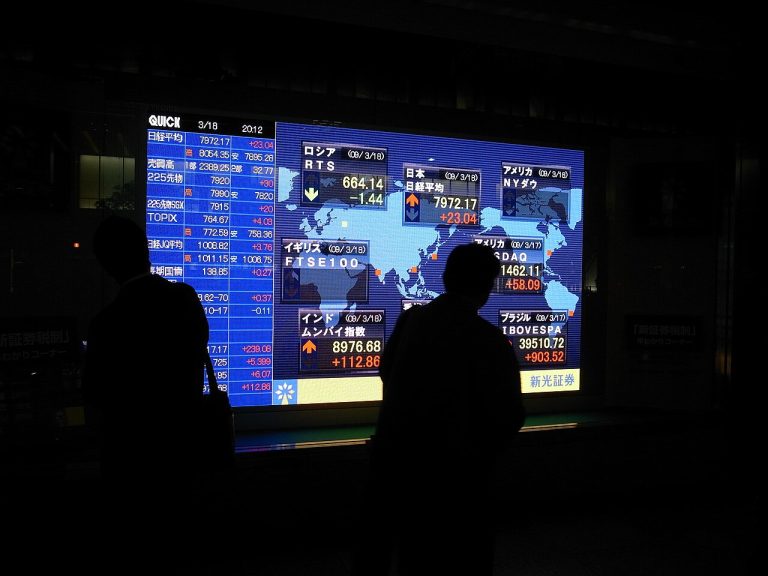
India’s rupee is in freefall, hitting a record low of 96.18 against the U.S. dollar amidst the ongoing Iran conflict and soaring oil prices. This isn’t just a temporary blip; it’s a sustained economic challenge that reveals the vulnerabilities in India’s external finances.

For weeks, the Indian government resisted raising fuel prices, but on May 15, they finally caved, increasing petrol and diesel prices by over 3%. This move underscores the mounting pressure on India’s economy as it grapples with a ballooning import bill and dwindling foreign exchange reserves.

India’s current account deficit is now projected to exceed 2% of GDP, a level historically considered unsustainable. As foreign investors pull out billions, the Reserve Bank of India faces a tough choice: protect the rupee or the economy. With oil prices remaining high and geopolitical tensions unresolved, India’s economic stability hangs in the balance.

For weeks, the government had resisted passing higher crude costs through to households, but on May 15 Reuters reported that India raised petrol and diesel prices for the first time in four years by more than 3%, a notable reversal that made the move stand out. ” By May 15, Moneycontrol said Brent had again climbed above $107 a barrel after Trump warned he would not be “much more patient” with Iran.

BofA Global Research said India’s current account deficit now appears likely to exceed about 2% of GDP, a level the RBI has historically treated as the upper edge of what India can finance sustainably over the long term. 6275 after likely Reserve Bank of India intervention, with traders saying official dollar sales limited the damage.

5% since the conflict began on February 28, and Monday marked the fifth straight session in which it set a fresh low. 1350 and reinforced India’s status as Asia’s worst-performing major currency in 2026 so far.

That matters because India imports about 90% of its oil and roughly 50% of its gas, leaving the economy unusually exposed when Brent stays above $100. 4% in just that week alone, hitting a record low in every trading session from Tuesday through Thursday.

DBS described the rupee, Indonesian rupiah and Philippine peso as “defensive currencies” trading with a “heavy bias,” adding that they need oil to fall sustainably below $100 to ease imported inflation and current-account stress. If crude stays near or above $107 and foreign outflows continue, markets will watch for more RBI dollar sales, additional fuel-price increases, import restrictions, or special capital-raising steps.

” By May 15, Moneycontrol said Brent had again climbed above $107 a barrel after Trump warned he would not be “much more patient” with Iran. BofA Global Research said India’s current account deficit now appears likely to exceed about 2% of GDP, a level the RBI has historically treated as the upper edge of what India can finance sustainably over the long term.

6275 after likely Reserve Bank of India intervention, with traders saying official dollar sales limited the damage. India raised petrol and diesel prices by over 3% on May 15, ending a four-year freeze, highlighting economic strain.

BofA Global Research predicts India’s current account deficit to exceed 2% of GDP, a critical threshold for sustainable financing. Foreign investors have withdrawn over $20 billion from Indian equities since the Iran conflict began, exacerbating economic pressure.

DBS warns that the rupee, along with other Asian currencies, remains under pressure unless oil prices fall below $100. India’s current account deficit is now projected to exceed 2% of GDP, a level historically considered unsustainable.

The scale and speed of this development has caught many observers off guard. Each new update adds another dimension to a story that is still unfolding, and the full picture will only become clear as more verified details emerge from the people and institutions directly involved.

Analysts who have tracked this issue closely say the current moment represents a genuine turning point. The decisions made in the coming weeks are expected to set the direction for months ahead, with ripple effects likely to extend well beyond the immediate actors in the story.

For those directly affected, the practical impact is already visible. People navigating this fast-changing situation are dealing with real consequences while new information continues to reshape what is known and what remains open to interpretation.

Historical parallels offer some context, though experts caution against drawing too close a comparison. Similar situations have played out before, but the specific combination of pressures, personalities, and timing here makes this moment distinct in ways that matter for how it ultimately resolves.

The political and economic dimensions of this story are deeply intertwined. What appears as a single event on the surface is in practice the convergence of multiple pressures that have been building quietly over a longer period than most public reporting has captured.
Read more on Digital Chew

Xi Shakes Confidence in What Comes Next

0

Quick Summary

  • Xi Jinping issued a stern warning to Donald Trump about the “Taiwan Question,” suggesting potential “clashes and even conflicts” if mishandled.
  • The White House announced “historic deals” from Trump’s China trip, but Taiwan tensions overshadowed these economic discussions.
  • Xi accepted an invitation to visit Washington, D.C. in the fall, setting the stage for further diplomatic engagement.
  • Taiwan’s president defended US arms purchases as crucial for regional stability, countering any perception of Taiwan as a bargaining chip.
  • The summit’s aftermath highlighted a gap between US diplomatic messaging and real policy outcomes, with Xi’s Taiwan stance gaining prominence.

Xi: Key Takeaways

The Xi-Trump summit, initially framed as a diplomatic success, has rapidly evolved into a high-stakes geopolitical drama centered on Taiwan. Xi Jinping’s stark warning to Donald Trump about the “Taiwan Question” has cast a long shadow over the supposed economic triumphs of the summit.

While the White House touted “historic deals” and a future visit by Xi to Washington, the real takeaway was Xi’s bold stance on Taiwan. His warning of potential “clashes and even conflicts” if Taiwan is mishandled has become the dominant narrative, overshadowing any ceremonial diplomacy or trade discussions.

This tension was further amplified as Taiwan’s leader publicly defended US arms purchases, emphasizing their role as a deterrent against regional instability. The rapid spread of fallout from Beijing to Taipei underscores the fragile nature of US-China relations.

As Xi prepares for his Washington visit, the world watches to see if any real diplomatic framework will emerge or if unresolved conflicts will continue to simmer beneath the surface. The summit’s legacy now hinges on whether Trump will approve the Taiwan arms package and how the US navigates this geopolitical tightrope.

The White House said Trump’s China trip produced what it called “historic deals” and announced that Xi had accepted an invitation to Washington “this fall,” while also saying both sides agreed to support each other as hosts of the G20 and APEC summits later in 2026. That warning has now become the dominant post-summit storyline across this week’s reporting: AP reported that Xi told Trump the “Taiwan Question” must be handled properly or the two powers could face “clashes and even conflicts,” language strong enough to overshadow the ceremonial welcome, banquet diplomacy, and business-heavy stagecraft that surrounded the May 14-15 meetings.

At the same time, Secretary of State Marco Rubio tried to contain the fallout by saying US policy was “unchanged” and warning that it would be “a terrible mistake” for China to use force, revealing a familiar but now sharper split between Trump’s improvisational post-summit comments and his administration’s effort to reassure allies. On May 14, Xi opened the formal summit with the Taiwan warning and both leaders held a welcome ceremony and state banquet in Beijing.

On May 15, Trump visited Zhongnanhai, the White House released imagery of the final meetings, and AP reported that he was still weighing whether to approve the Taiwan arms package. The immediate decision point is whether Trump approves, delays, or reshapes the Taiwan arms package that he said he was still considering on May 15.

White House imagery from May 13 showed Trump arriving in Beijing with a striking corporate entourage that included Tesla’s Elon Musk and Nvidia’s Jensen Huang, underscoring that technology, trade and market access were central to the summit’s selling point even though no single blockbuster agreement appears to have emerged as the unmistakable headline outcome. AP reported on May 15 that Trump had “not made a decision” on whether to move ahead with a major Taiwan arms package after hearing Xi’s concerns, a remark that immediately fueled anxiety in Taipei and among US Asia hands because it suggested the summit may have introduced real hesitation into a security issue that had previously been described by US officials as unchanged policy.

AP reported on May 17 that Taiwan’s leader said US arms purchases are “the most important deterrent” against regional instability, a direct effort to rebut any notion that Taiwan could be treated as a bargaining chip after Trump’s China visit. By May 17, Taiwan’s president was publicly defending US arms purchases as essential deterrence, showing how fast the fallout had spread from Beijing to Taipei.

The White House announced “historic deals” from Trump’s China trip, but Taiwan tensions overshadowed these economic discussions.

Taiwan’s president defended US arms purchases as crucial for regional stability, countering any perception of Taiwan as a bargaining chip. The summit’s aftermath highlighted a gap between US diplomatic messaging and real policy outcomes, with Xi’s Taiwan stance gaining prominence.

The scale and speed of this development has caught many observers off guard. Each new update adds another dimension to a story that is still unfolding, and the full picture will only become clear as more verified details emerge from the people and institutions directly involved.

Analysts who have tracked this issue closely say the current moment represents a genuine turning point. The decisions made in the coming weeks are expected to set the direction for months ahead, with ripple effects likely to extend well beyond the immediate actors in the story.

For those directly affected, the practical impact is already visible. People navigating this fast-changing situation are dealing with real consequences while new information continues to reshape what is known and what remains open to interpretation.

Historical parallels offer some context, though experts caution against drawing too close a comparison. Similar situations have played out before, but the specific combination of pressures, personalities, and timing here makes this moment distinct in ways that matter for how it ultimately resolves.

The political and economic dimensions of this story are deeply intertwined. What appears as a single event on the surface is in practice the convergence of multiple pressures that have been building quietly over a longer period than most public reporting has captured.

US Elections Signals a Turning Point Nobody Can Ignore

0

Quick Summary

  • Analysts view the current US Elections as a genuine turning point, affecting global influence.
  • The scale and speed of developments have surprised many observers, indicating significant changes.
  • US Elections are central to the discussion on democracy, power, and trade in Africa.
  • Historical parallels provide context, but experts warn against direct comparisons due to unique pressures.
  • US trade policies and diplomatic actions are under scrutiny as African nations weigh their alliances.

US Elections: Key Takeaways

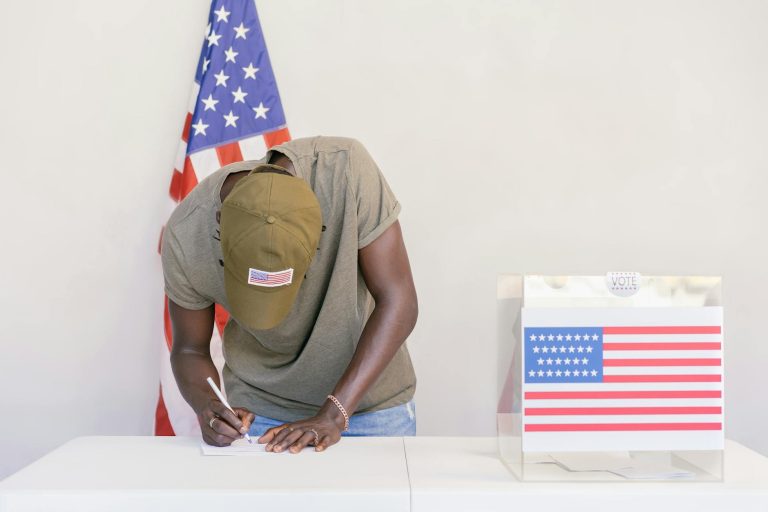
The US Elections are not just a domestic affair; they are a global spectacle with implications far beyond American borders. Analysts are calling this moment a turning point, one that could redefine international power dynamics and influence.

Observers have been caught off guard by the rapid developments surrounding these elections. The scale of change is significant, with Africa becoming a central arena where the US, China, and other powers vie for influence. This contest is not just about democracy but about strategic alliances and trade relations.

Contextually, the historical parallels offer some guidance, yet experts caution against drawing too close a comparison. The unique blend of political pressures, economic interests, and international personalities makes this situation distinct. The decisions made now will have ripple effects that extend well beyond the immediate actors involved.

A separate recent article cites Afrobarometer 2023 data showing support for democracy in parts of the Sahel has fallen below 50%, suggesting that the electoral-democracy model often promoted by Western governments is losing traction in some fragile states. One recent Modern Ghana piece says Africa is projected to account for nearly a quarter of the global population by 2050, underscoring why the continent has become strategically important.

Modern Ghana commentary tied to AGOA described its expiration date as September 30, 2025, and treated congressional renewal fights as a major signal of how seriously Washington intends to compete for influence in Africa. The closest live pieces include “Africa: The Continent Where Five Global Powers Compete for Influence,” published on February 27, 2026, and “Why US is losing African grounds in 2025 — And how not to engage a changing continent,” published roughly five months ago.

election rhetoric but whether Washington follows through with market access, investment, and diplomatic respect. In short, I found live, recent Modern Ghana reporting on the same themes, but I did not find the exact article you named or a fresh, reportable development under that headline.

-Africa influence, trade, and democracy, but not a clearly indexed, current news article under that exact headline. Those pieces argue that Africa is now a central arena for competition among the United States, China, Russia, France, and the United Kingdom, with trade, security, and political influence at the center of the struggle.

posture toward Africa, including pressure for more “advantageous” trade deals and a less diplomatic tone. There are also specific numbers in the related coverage that help explain why this matters.

The scale and speed of this development has caught many observers off guard. Each new update adds another dimension to a story that is still unfolding, and the full picture will only become clear as more verified details emerge from the people and institutions directly involved.

Analysts who have tracked this issue closely say the current moment represents a genuine turning point. The decisions made in the coming weeks are expected to set the direction for months ahead, with ripple effects likely to extend well beyond the immediate actors in the story.

For those directly affected, the practical impact is already visible. People navigating this fast-changing situation are dealing with real consequences while new information continues to reshape what is known and what remains open to interpretation.

Historical parallels offer some context, though experts caution against drawing too close a comparison. Similar situations have played out before, but the specific combination of pressures, personalities, and timing here makes this moment distinct in ways that matter for how it ultimately resolves.

The political and economic dimensions of this story are deeply intertwined. What appears as a single event on the surface is in practice the convergence of multiple pressures that have been building quietly over a longer period than most public reporting has captured.

Oman Investment Pushes the Story Into Uncharted Territory

0

Quick Summary

  • Oman’s sovereign wealth fund claims unprecedented financial results for 2025, setting a high bar for its performance.
  • The Oman Investment Authority (OIA) has promised outsized returns, but investors await hard data for verification.
  • OIA President Abdulsalam Al Murshidi asserts the fund’s performance exceeded planned targets and supports economic diversification.
  • The OIA plans to diversify investments globally, signaling a shift toward a more activist investment strategy in 2026.
  • The May 18 briefing is crucial for verifying the OIA’s claims and understanding its future strategy.

Oman Investment: Key Takeaways

Oman’s sovereign wealth fund is making waves with its bold assertion of “unprecedented financial results” for 2025, but the real test lies ahead. The Oman Investment Authority (OIA) has promised record-breaking performance, yet the market remains skeptical without the hard numbers to back these claims.

OIA President Abdulsalam Al Murshidi has been vocal about the fund’s achievements, stating that its performance not only exceeded targets but also contributed significantly to economic diversification. However, the lack of audited figures has left investors and local businesses in a state of anticipation.

As the May 18 briefing approaches, all eyes are on the OIA to substantiate its claims with concrete data. This event is not just about past performance; it sets the stage for a more globally diversified investment strategy in 2026. The outcome will determine if this is a genuine breakout year or a well-managed expectations campaign.

On Saturday, May 16, Times of Oman separately reported that the OIA would unveil its 2025 results and strategic achievements at the same Monday media meeting. The Omanet piece published May 16 said the authority would finally present its 2025 financial results and key performance indicators at its annual media briefing on Monday, May 18, while Times of Oman said the same event would include the launch of the 2025 annual report and updates on subsidiaries, portfolio performance, asset development, return maximization, and financial sustainability.

The decisive event is the OIA annual media briefing on Monday, May 18, when the authority is expected to publish its 2025 annual report, disclose the full financial and institutional indicators that Al Murshidi said were still under final audit, and provide updates on subsidiary performance, investment portfolio developments, and the latest on its divestment or exit strategy. The backdrop to those weekend previews was the earlier April 5 official statement, when the Foreign Ministry site carried ONA’s report that 2025 had already delivered record outcomes, but without releasing the full audited figures.

The most important revelation from the latest reporting is not yet a disclosed profit figure, but the OIA’s claim that its 2025 performance placed it among the world’s best-performing sovereign wealth funds. om) A notable twist is that the authority is using the results rollout to broaden the story beyond headline earnings and toward a more activist investment posture in 2026.

On Friday, May 16, Omanet published the advance report saying the fund would present 2025 results on Monday, May 18. The biggest new development is that Oman’s sovereign wealth fund has already signaled “unprecedented financial results” for 2025 ahead of a formal results briefing on Monday, May 18, setting up what officials say was the strongest year in the Oman Investment Authority’s history.

The conflict is therefore less political than informational: a high-profile promise of outsized returns versus a market still waiting for hard data. om) The main figure driving the narrative is Al Murshidi, who has framed the results as proof of a long-term strategy rather than a one-off windfall.

Oman Investment: Key Takeaways Quick Summary Oman’s sovereign wealth fund claims unprecedented financial results for 2025, setting a high bar for its performance.

OIA President Abdulsalam Al Murshidi asserts the fund’s performance exceeded planned targets and supports economic diversification. The May 18 briefing is crucial for verifying the OIA’s claims and understanding its future strategy.

The scale and speed of this development has caught many observers off guard. Each new update adds another dimension to a story that is still unfolding, and the full picture will only become clear as more verified details emerge from the people and institutions directly involved.

Analysts who have tracked this issue closely say the current moment represents a genuine turning point. The decisions made in the coming weeks are expected to set the direction for months ahead, with ripple effects likely to extend well beyond the immediate actors in the story.

For those directly affected, the practical impact is already visible. People navigating this fast-changing situation are dealing with real consequences while new information continues to reshape what is known and what remains open to interpretation.

Historical parallels offer some context, though experts caution against drawing too close a comparison. Similar situations have played out before, but the specific combination of pressures, personalities, and timing here makes this moment distinct in ways that matter for how it ultimately resolves.

The political and economic dimensions of this story are deeply intertwined. What appears as a single event on the surface is in practice the convergence of multiple pressures that have been building quietly over a longer period than most public reporting has captured.

Aurora recall Effort Could Reshape City Politics

Quick Summary

  • Aurora’s political dynamics shifted as John Laesch, a former alderman-at-large, became mayor in April 2025.
  • A recall petition needs 2,957 signatures, but previous efforts fell short with only 2,044 signatures.
  • If a recall succeeds with over 13 months left in a term, a special election must occur within nine months.
  • The city has been reshuffling leadership, with Laesch’s old seat filled by Will F. White.
  • Legal and political insiders suggest the proposal’s wording could determine its survival.

Aurora recall: Key Takeaways

Aurora recall is at the center of this developing story, and the following analysis explains what matters most right now.

Aurora residents are at a critical juncture, pushing for a mechanism to recall the mayor and at-large aldermen before their terms end. This isn’t just a protest; it’s a formal petition drive that could radically alter local governance. The proposal seeks to introduce a citywide recall process, a significant shift for Aurora, where these officials currently enjoy term security.

The fine print of this proposal is where the battle lies. If successful, and more than 13 months remain in a term, a special election must be held within nine months. The City Council would have 30 days to appoint a temporary replacement. The focus now is on whether this proposal can survive legal scrutiny, as its wording is as crucial as the public sentiment driving it.

Since John Laesch’s election as mayor in 2025, Aurora’s political landscape has been in flux. His victory marked a shift from former mayor Richard Irvin’s era, and the city has seen significant leadership changes, including the appointment of Will F. White to Laesch’s former seat. The recall initiative is seen by some as a tool for democratic accountability, while others view it as a potential destabilizer of city governance.

As Aurora navigates this political upheaval, the next step is crucial: the city clerk’s office will decide if the recall petition meets legal standards. This decision could either propel Aurora into a citywide vote or halt the movement before it reaches the ballot. The outcome will not only affect current leadership but could set a precedent for future governance in Aurora.

Aurora’s power structure has shifted dramatically since John Laesch, an alderman-at-large who had repeatedly clashed with former mayor Richard Irvin and some allied council members, won the mayor’s office in April 2025. Voters did remove the incumbent mayor, but only through the normal ballot box, when Laesch defeated Irvin in the April 2025 runoff.

The central conflict is whether recall is a democratic accountability tool or a weapon that would destabilize city government. Supporters are effectively arguing that voters should not have to wait until the next regular election to punish citywide officials, while skeptics are already focusing on legality, election rules and court risk.

White to fill it, and Laesch said at least 130 people applied for that opening before he narrowed the field to four finalists. In that case, the petition needed 2,957 signatures and had only 2,044, according to reporting on the ruling.

The latest reporting says the petitions would create a citywide recall mechanism aimed specifically at the mayor and aldermen-at-large, a significant change for Aurora because those offices are elected citywide and currently cannot be recalled midterm. The proposal’s fine print is where the fight is now: if a recall succeeds and more than 13 months remain in a term, a special election would have to be held within nine months, while the City Council would have 30 days to appoint someone to fill the vacancy in the meantime.

” That makes the recall push politically awkward: it is surfacing in a city that only recently changed leadership through regular elections, raising the question of whether some activists now want a standing emergency brake on every future mayor and at-large bloc, regardless of ideology. If it survives that gauntlet, Aurora could face a future ballot question that asks voters whether to create a recall power with real consequences: a 30-day appointment window for temporary replacements and, in cases with more than 13 months left in a term, a special election within nine months.

The city has been reshuffling leadership, with Laesch’s old seat filled by Will F.

Legal and political insiders suggest the proposal’s wording could determine its survival.

The scale and speed of this development has caught many observers off guard. Each new update adds another dimension to a story that is still unfolding, and the full picture will only become clear as more verified details emerge from the people and institutions directly involved.

Analysts who have tracked this issue closely say the current moment represents a genuine turning point. The decisions made in the coming weeks are expected to set the direction for months ahead, with ripple effects likely to extend well beyond the immediate actors in the story.

For those directly affected, the practical impact is already visible. People navigating this fast-changing situation are dealing with real consequences while new information continues to reshape what is known and what remains open to interpretation.

Historical parallels offer some context, though experts caution against drawing too close a comparison. Similar situations have played out before, but the specific combination of pressures, personalities, and timing here makes this moment distinct in ways that matter for how it ultimately resolves.

The political and economic dimensions of this story are deeply intertwined. What appears as a single event on the surface is in practice the convergence of multiple pressures that have been building quietly over a longer period than most public reporting has captured.