

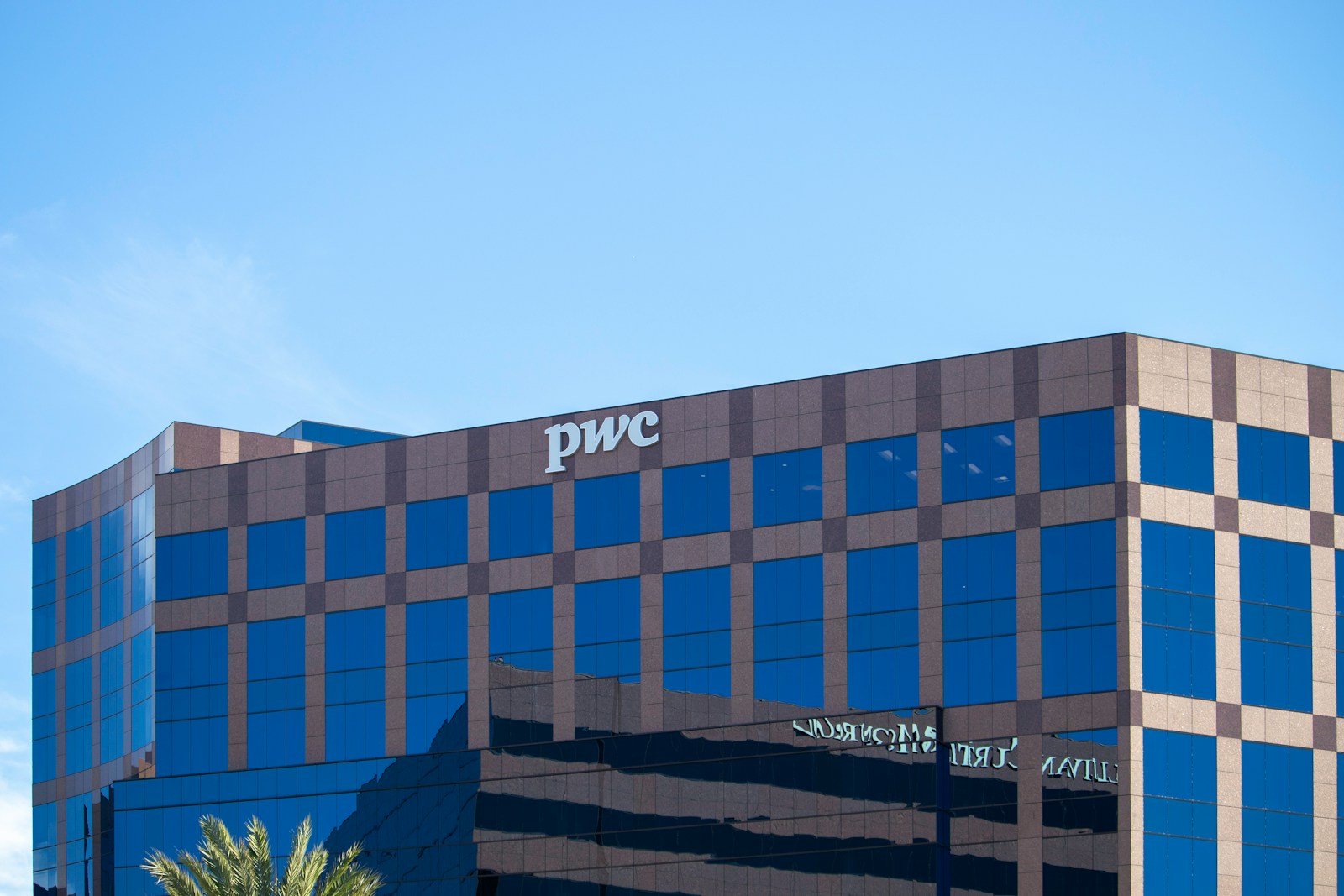

Quick Summary: Pwc Warns Ghanas IPO Pipeline Insufficient for Capital Market Growth
- PwC Ghana warns of a shortage of IPO-ready companies — this could hinder the Ghana Stock Exchange’s ability to absorb growing capital.
- Ghana’s pension industry held GH¢111.1 billion in assets in 2025 — this capital needs longer-term investments beyond government bonds.
- PwC’s report highlights a supply failure, not a capital shortage — they stress the need for governance and disclosure improvements.
- Petrosol Platinum Energy PLC’s GH¢200 million listing shows potential — yet PwC argues isolated successes aren’t enough.
- PwC’s campaign aims to educate business owners — they emphasize IPOs as governance upgrades, not loss of control.
Source: Open external resource
Source: Read original article
Ghana’s capital market faces a paradox. The money is there, but the companies aren’t. PwC Ghana’s latest warning isn’t about a lack of investor interest; it’s about a dearth of businesses ready to go public. This mismatch could stifle the Ghana Stock Exchange’s ability to channel a burgeoning pool of long-term capital.
In 2025, Ghana’s pension industry boasted GH¢111.1 billion in assets, a massive reservoir of patient capital. Yet, this money is stuck in a holding pattern, unable to find enough IPO-ready firms to invest in. PwC’s latest insights frame this as a supply-side issue, emphasizing the need for companies to bolster their governance and disclosure practices.
The narrative isn’t just financial; it’s cultural. PwC’s campaign, ‘Unlocking Patient Capital,’ seeks to shift perceptions, portraying IPOs as strategic upgrades rather than surrenders of control. The challenge is to convince private owners that going public doesn’t mean losing their grip.
Ghana’s market is at a crossroads. The next few months will reveal whether PwC’s message resonates. If more firms prepare for IPOs, it will validate their thesis. If not, it underscores a persistent market failure. The clock is ticking, and the market’s future hangs in the balance.
1 billion in assets in 2025, creating a large base of patient capital that increasingly needs longer-duration investments beyond government paper. The market test will be simple and visible: if more Ghanaian companies file, list or announce pre-IPO preparation in the coming months, PwC’s thesis that capital is waiting will look prescient; if not, the warning published on September 23, 2026 will stand as a sign that Ghana’s capital markets have cash but still lack enough companies ready to meet it.
Related reports on the same PwC message appeared between roughly September 17 and September 23, 2026, culminating in the September 23 Business & Financial Times article. Some recent commentary around the issue has pointed to Petrosol Platinum Energy PLC’s GH¢200 million listing on August 26, 2026 as evidence that deals can get done, but PwC’s latest message is that isolated successes do not yet amount to a deep bench of issuers.
PwC’s own “Unlocking patient capital” publication appeared around September 21, 2026, reinforcing the same theme that Ghana’s stock market recovery and expanding pension assets are colliding with a limited roster of listing-ready businesses. ” What makes that warning newsworthy now is the size of the money looking for a home.
Jacob Aidoo of the SEC, Ken Alorzuke of SSNIT and PwC executives all weighed in on listing rules, investor expectations and the path to market. PwC Ghana’s fresh warning is that the real bottleneck in Ghana’s capital market is no longer investor demand but a shortage of companies actually ready to go public, a mismatch the firm says could prevent the Ghana Stock Exchange from absorbing a fast-growing pool of long-term money.
According to this week’s reporting, Joyce Esi Boakye of the GSE, Dr. The important institutional point is that regulators and market operators appear to be signaling demand for listings at the same time advisers are warning that many businesses still fall short on the basics required to tap that demand.
1 billion in assets in 2025 — this capital needs longer-term investments beyond government bonds. 1 billion in assets in 2025, creating a large base of patient capital that increasingly needs longer-duration investments beyond government paper.
The market test will be simple and visible: if more Ghanaian companies file, list or announce pre-IPO preparation in the coming months, PwC’s thesis that capital is waiting will look prescient; if not, the warning published on September 23, 2026 will stand as a sign that Ghana’s capital markets have cash but still lack enough companies ready to meet it. Petrosol Platinum Energy PLC’s GH¢200 million listing shows potential — yet PwC argues isolated successes aren’t enough.
PwC Ghana’s latest warning isn’t about a lack of investor interest; it’s about a dearth of businesses ready to go public. Jacob Aidoo of the SEC, Ken Alorzuke of SSNIT and PwC executives all weighed in on listing rules, investor expectations and the path to market.
The scale and speed of this development has caught many observers off guard. Each new update adds another dimension to a story that is still unfolding, and the full picture will only become clear as more verified details emerge from the people and institutions directly involved.
Analysts who have tracked this issue closely say the current moment represents a genuine turning point. The decisions made in the coming weeks are expected to set the direction for months ahead, with ripple effects likely to extend well beyond the immediate actors in the story.
For those directly affected, the practical impact is already visible. People navigating this fast-changing situation are dealing with real consequences while new information continues to reshape what is known and what remains open to interpretation.
Historical parallels offer some context, though experts caution against drawing too close a comparison. Similar situations have played out before, but the specific combination of pressures, personalities, and timing here makes this moment distinct in ways that matter for how it ultimately resolves.
The political and economic dimensions of this story are deeply intertwined. What appears as a single event on the surface is in practice the convergence of multiple pressures that have been building quietly over a longer period than most public reporting has captured.