


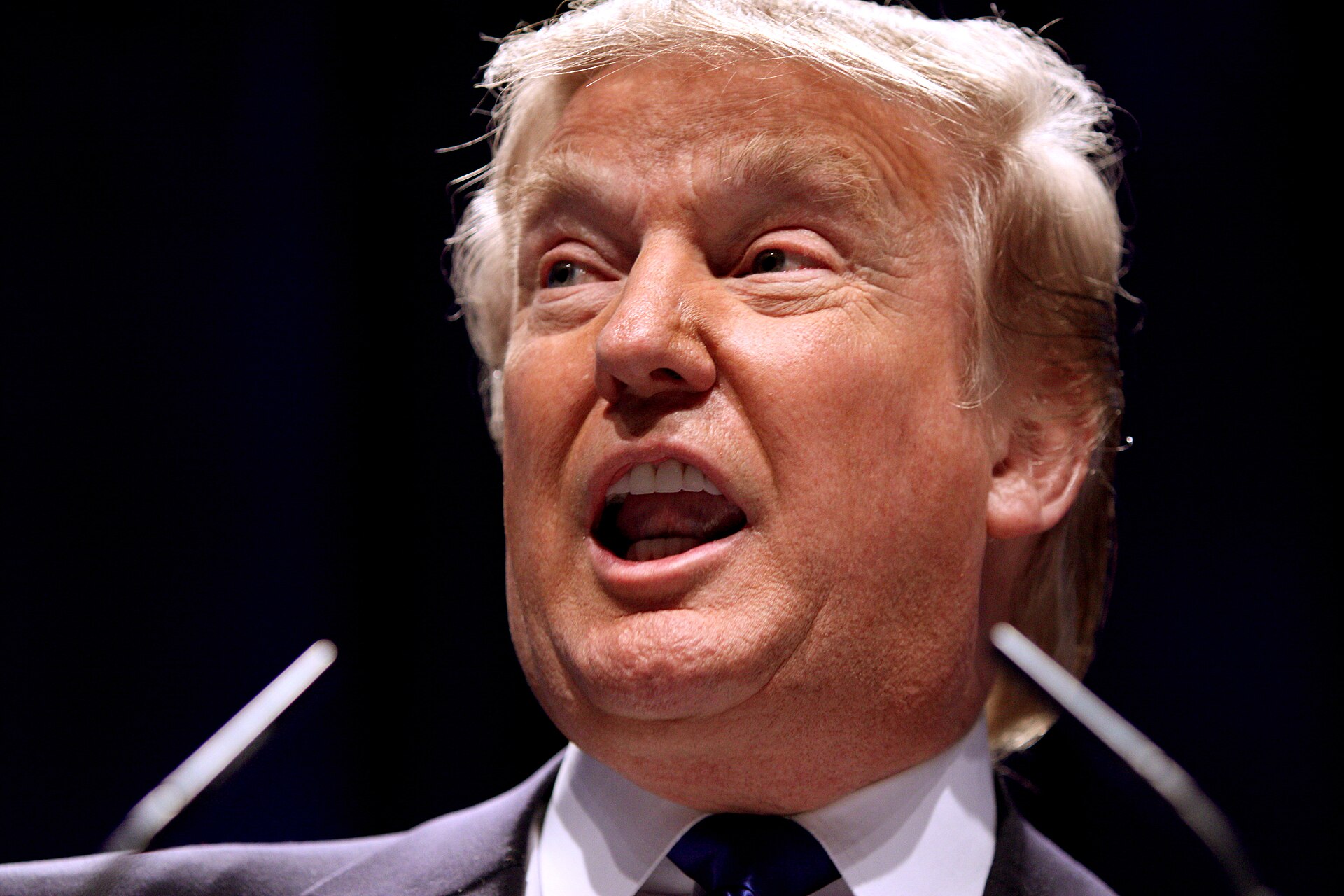

Quick Summary: Trump to Attend ASEAN Summit Amid South China Sea Tensions
- 19 world leaders are confirmed to attend the ASEAN Summit in Manila — this includes U.S. President Donald Trump and other key figures.
- ASEAN and China have agreed on 80% of the South China Sea code of conduct — however, the deal won’t be finalized this year.
- Myanmar remains diplomatically isolated — junta chief Min Aung Hlaing is barred from attending, and Han Win Aung will represent the country.
- Trump’s participation is limited — he may only attend the closing ceremony, highlighting U.S. strategic interests in the region.
- The Philippines pushed hard for a resolution on the South China Sea code — missing the deadline is a political setback for the country.
Source: Open external resource
Source: Read original article
The upcoming ASEAN Summit in Manila is set to be a diplomatic spectacle with 19 world leaders confirmed to attend. This grand assembly includes U.S. President Donald Trump, Canadian Prime Minister Mark Carney, and Brazilian President Luiz Inácio Lula da Silva. While the summit promises a show of unity, the unresolved South China Sea code of conduct looms large over proceedings.
Despite progress, ASEAN and China have hit a stumbling block, failing to finalize the South China Sea code of conduct before the summit. With 80% of the text agreed upon, the remaining disputes are significant, involving the geographic scope and legal binding nature of the agreement. This delay is a blow to the Philippines, which had aimed to settle the issue during its chairmanship.
Adding complexity to the summit is Myanmar’s diplomatic isolation, as junta chief Min Aung Hlaing remains barred. Instead, Han Win Aung will represent Myanmar, reflecting ongoing tensions in the region. Meanwhile, President Trump’s anticipated brief appearance underscores the strategic stakes for the U.S. in the South China Sea, a region it has vowed to defend.
The summit’s geopolitical dance highlights the challenges ASEAN faces in maintaining regional stability while juggling the interests of major powers. As Manila-based analyst Julio Amador III notes, ASEAN’s diplomatic efforts must go beyond mere process to effectively counterbalance China’s influence.
As the summit unfolds, the world will be watching to see if ASEAN can project the unity and relevance it so desires, even as it grapples with unfinished business in the South China Sea.
Philstar confirmed on November 11 that Trump will attend the ASEAN-US Special Summit on November 17, his first ASEAN appearance in the Philippines since 2017, before heading to China for APEC in Shenzhen. The Associated Press reported Wednesday that three senior Southeast Asian diplomats said China and ASEAN have provisionally agreed on about 80% of the paragraphs in the proposed code of conduct, but the deal will not be finished this year.
BusinessMirror reported that Myanmar remains diplomatically isolated: junta chief Min Aung Hlaing is still barred, and the country will instead send Han Win Aung, director-general of its foreign ministry’s ASEAN affairs department. That missed deadline is a political setback for the Philippines, which had pushed hard during its 2026 ASEAN chairmanship to wrap up the talks.
But BusinessMirror reported that, if the current program holds, Trump may arrive only for the final 30 minutes before the summit closes, meaning his only official appearance could be the closing ceremony and the handover of the ASEAN chairmanship from the Philippines to Singapore. According to AP, Manila increased the tempo of negotiations to at least once a month this year, while China and Malaysia jointly led at least 10 major rounds of talks.
On November 11, DFA officials confirmed Trump for the November 17 ASEAN-US Special Summit and local reporting sharpened focus on the unresolved South China Sea code. On November 12, the Philippine News Agency published the formal confirmation that 19 leaders and institutional heads are coming, with meetings beginning November 15 at the Philippine International Convention Center.
What happens next is clear and immediate: leaders open the summit on November 15, hold plus-one meetings on November 16 and 17, tackle the 29th ASEAN Plus Three Summit and the 21st East Asia Summit on November 17, and then Marcos hands the chair to Singapore, which will inherit the unfinished code-of-conduct negotiations in 2027. Philstar reported on November 11 that the “uncertain fate” of the code had already become one of the most anticipated and politically delicate issues before leaders even arrive, especially because the Philippines had made conclusion of the deal a signature objective of its chair year.
With 80% of the text agreed upon, the remaining disputes are significant, involving the geographic scope and legal binding nature of the agreement. But BusinessMirror reported that, if the current program holds, Trump may arrive only for the final 30 minutes before the summit closes, meaning his only official appearance could be the closing ceremony and the handover of the ASEAN chairmanship from the Philippines to Singapore.
According to AP, Manila increased the tempo of negotiations to at least once a month this year, while China and Malaysia jointly led at least 10 major rounds of talks. On November 11, DFA officials confirmed Trump for the November 17 ASEAN-US Special Summit and local reporting sharpened focus on the unresolved South China Sea code.
On November 12, the Philippine News Agency published the formal confirmation that 19 leaders and institutional heads are coming, with meetings beginning November 15 at the Philippine International Convention Center. What happens next is clear and immediate: leaders open the summit on November 15, hold plus-one meetings on November 16 and 17, tackle the 29th ASEAN Plus Three Summit and the 21st East Asia Summit on November 17, and then Marcos hands the chair to Singapore, which will inherit the unfinished code-of-conduct negotiations in 2027.
Philstar reported on November 11 that the “uncertain fate” of the code had already become one of the most anticipated and politically delicate issues before leaders even arrive, especially because the Philippines had made conclusion of the deal a signature objective of its chair year. The summit’s geopolitical dance highlights the challenges ASEAN faces in maintaining regional stability while juggling the interests of major powers.
The scale and speed of this development has caught many observers off guard. Each new update adds another dimension to a story that is still unfolding, and the full picture will only become clear as more verified details emerge from the people and institutions directly involved.
Analysts who have tracked this issue closely say the current moment represents a genuine turning point. The decisions made in the coming weeks are expected to set the direction for months ahead, with ripple effects likely to extend well beyond the immediate actors in the story.
For those directly affected, the practical impact is already visible. People navigating this fast-changing situation are dealing with real consequences while new information continues to reshape what is known and what remains open to interpretation.
Historical parallels offer some context, though experts caution against drawing too close a comparison. Similar situations have played out before, but the specific combination of pressures, personalities, and timing here makes this moment distinct in ways that matter for how it ultimately resolves.
The political and economic dimensions of this story are deeply intertwined. What appears as a single event on the surface is in practice the convergence of multiple pressures that have been building quietly over a longer period than most public reporting has captured.