

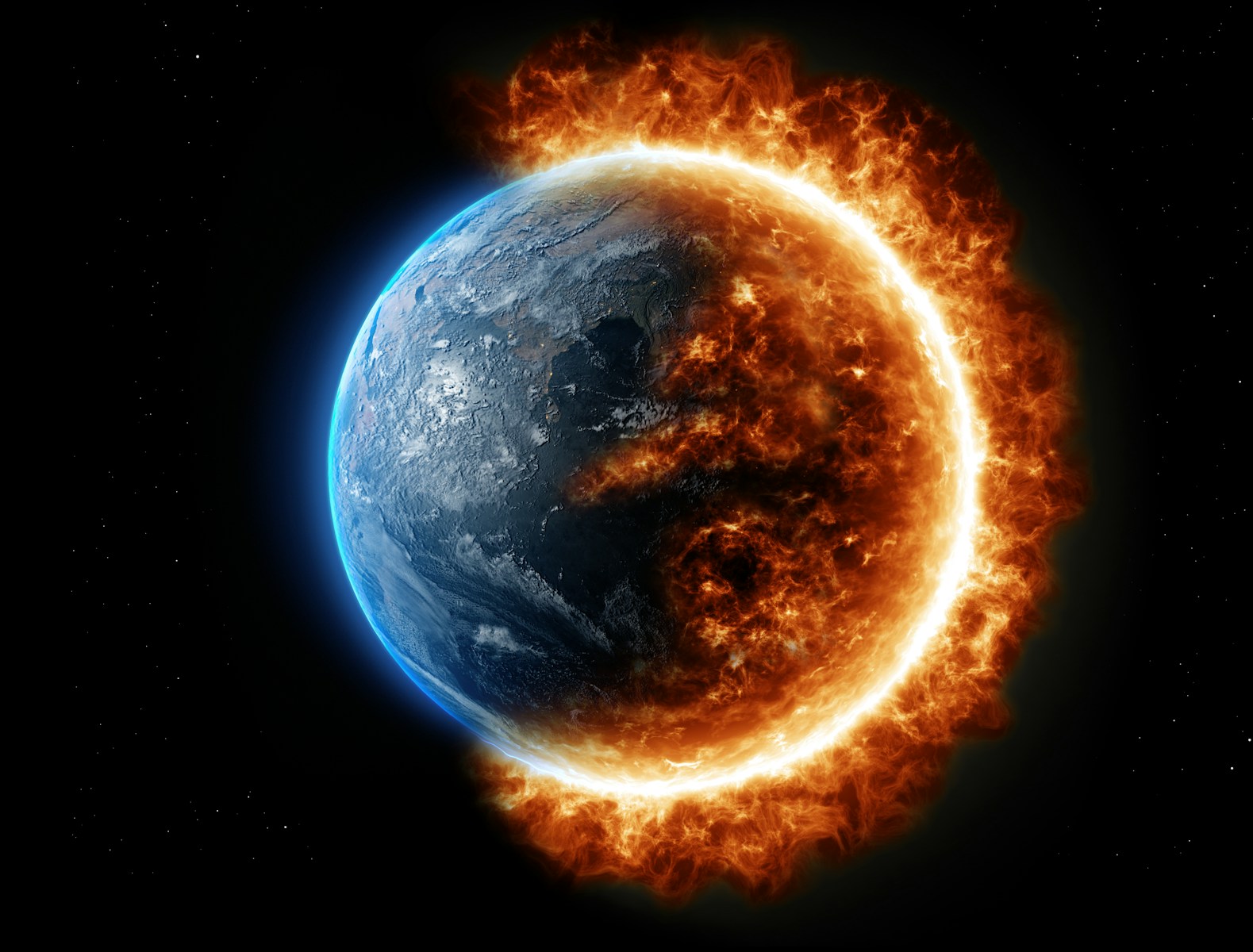

Quick Summary: UNEP Report Warns 1.5c Climate Target Will Be Breached
- On September 2, 2026, Macau Business published the UNEP overshoot story — it marks the first UN agency report stating the 1.5C target will be breached.
- The World Meteorological Organization warned of an 80% chance of El Niño developing — this increases the risk of extreme weather and stresses climate diplomacy.
- The UNEP report shifts focus from avoiding to navigating overshoot — this reframes the political debate from prevention to damage control.
- UN Secretary-General António Guterres emphasized ending fossil fuel dependence — he called it “the urgent climate warning it is.”.
- Macau Business’s editorial trend now leans towards geopolitical interpretation — there is no fresh news cycle around the exact opinion piece.
Source: Open external resource
Source: Read original article
The world is teetering on the brink of a climate reality check, and the latest UNEP report has sounded the alarm loud and clear. On September 2, 2026, Macau Business unveiled this seismic shift: the 1.5C warming target isn’t just at risk; it’s on the brink of being breached.
This isn’t just another report to skim over. The World Meteorological Organization’s warning that there’s an 80% chance of El Niño developing between June and August adds a layer of urgency. Extreme weather is no longer a distant threat; it’s knocking on our doors, demanding immediate action from global leaders.
For years, the debate centered on preventing climate overshoot. Now, it’s about navigating the inevitable. This isn’t just a scientific pivot; it’s a diplomatic earthquake, reshaping the landscape of international negotiations. António Guterres’s call to end fossil fuel addiction underscores the political stakes—it’s about survival, not just strategy.
Macau Business’s shift towards broader geopolitical narratives reflects this reality. The focus has moved from singular climate warnings to the intricate dance of international politics. While the original opinion piece may not have sparked a fresh news cycle, it sits at the heart of a broader editorial trend linking global warming to geopolitical strategy.
As nations brace for the upcoming climate negotiations, the UNEP’s stark acknowledgment of overshoot serves as both a wake-up call and a diplomatic challenge. The question isn’t just how to prevent further warming but how to adapt and respond in a world where the 1.5C threshold is no longer a safe haven.
One concrete benchmark in related UN reporting is the target for universal multi-hazard early-warning coverage by the end of 2027, with WMO saying 128 countries already have such systems in place. On September 2, 2026, Macau Business published the UNEP overshoot story.
5C in the next few years was inevitable, but the September 2 UNEP assessment appears to be the first UN agency report to state unambiguously that the target will be breached. Recent opinion pieces on the site have focused on global order, trade fragmentation, and middle-power strategy, including warnings that when “the rules no longer protect you, you must protect yourself,” language used in a separate Davos 2026 opinion essay about strategic autonomy in energy, food, and critical minerals.
What happens next is not a single vote or court date tied to the opinion piece, but the next diplomatic test is whether governments treat the UNEP finding as a mandate for steeper cuts, larger adaptation budgets, and more aggressive early-warning systems, or whether they quietly normalize overshoot. Another current data point in this week’s reporting ecosystem is the World Meteorological Organization warning, also carried by Macau Business, that there was an 80 percent chance of El Niño developing between June and August, increasing the risk of extreme weather and adding further stress to already-heated climate diplomacy.
Within Macau Business itself, the editorial trend now appears to be broader geopolitical interpretation rather than a new reporting burst around that exact “Global warming, global warning and international politics” headline. Over the past week, searchable Macau Business results do not show a new article, update, hearing, vote, or rebuttal specifically advancing “Global warming, global warning and international politics” into a fresh news event.
5C overshoot as unavoidable in the near term, which is a more explicit institutional acknowledgment than many governments had previously made. ” Richard Betts of the University of Exeter summed up the change bluntly: “It’s a reality check.
The World Meteorological Organization warned of an 80% chance of El Niño developing — this increases the risk of extreme weather and stresses climate diplomacy. The World Meteorological Organization’s warning that there’s an 80% chance of El Niño developing between June and August adds a layer of urgency.
On September 2, 2026, Macau Business published the UNEP overshoot story. 5C warming target isn’t just at risk; it’s on the brink of being breached.
Extreme weather is no longer a distant threat; it’s knocking on our doors, demanding immediate action from global leaders. Within Macau Business itself, the editorial trend now appears to be broader geopolitical interpretation rather than a new reporting burst around that exact “Global warming, global warning and international politics” headline.
Over the past week, searchable Macau Business results do not show a new article, update, hearing, vote, or rebuttal specifically advancing “Global warming, global warning and international politics” into a fresh news event. 5C overshoot as unavoidable in the near term, which is a more explicit institutional acknowledgment than many governments had previously made.
The scale and speed of this development has caught many observers off guard. Each new update adds another dimension to a story that is still unfolding, and the full picture will only become clear as more verified details emerge from the people and institutions directly involved.
Analysts who have tracked this issue closely say the current moment represents a genuine turning point. The decisions made in the coming weeks are expected to set the direction for months ahead, with ripple effects likely to extend well beyond the immediate actors in the story.
For those directly affected, the practical impact is already visible. People navigating this fast-changing situation are dealing with real consequences while new information continues to reshape what is known and what remains open to interpretation.
Historical parallels offer some context, though experts caution against drawing too close a comparison. Similar situations have played out before, but the specific combination of pressures, personalities, and timing here makes this moment distinct in ways that matter for how it ultimately resolves.
The political and economic dimensions of this story are deeply intertwined. What appears as a single event on the surface is in practice the convergence of multiple pressures that have been building quietly over a longer period than most public reporting has captured.