


Quick Summary: Supreme Court Revives Third Country Deportations Amid Legal Battle
- The Supreme Court issued a stay allowing ‘third country’ deportations to resume — this decision temporarily supports the Trump administration’s immigration policy.
- Attorney General Todd Blanche criticized the appeals court’s intervention as overreach — he defended the deportation tool as legal and invaluable.
- On September 29, the Supreme Court granted temporary relief to the administration — this action reversed lower-court restrictions on deportations.
- The administration argues that the lower-court block forced the cancellation of a deportation flight carrying about 70 people — highlighting the operational impact.
- Advocacy groups argue that deportees could face persecution in third countries — they are preparing for the December Supreme Court argument.
Source: Open external resource
Source: Read original article
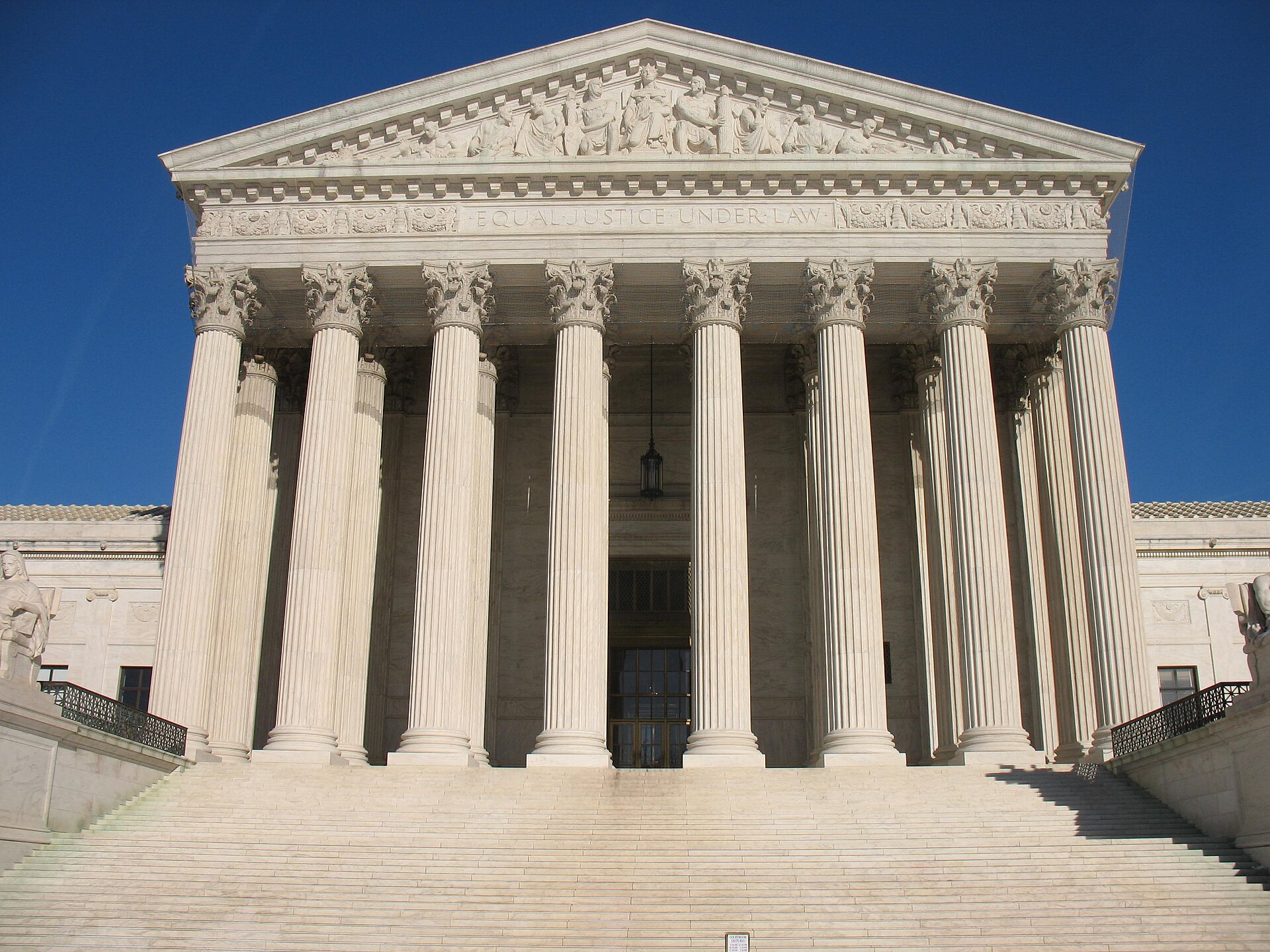
The Supreme Court has thrown its weight behind the Trump administration’s controversial ‘third country’ deportation policy, granting a temporary stay that allows the practice to continue. This decision marks a significant victory for President Trump, who has championed aggressive immigration enforcement.
Attorney General Todd Blanche has labeled the lower court’s intervention as a dramatic overreach, defending the deportation tool as both legal and essential. The administration argues that the lower court’s restrictions disrupted operations, forcing the cancellation of deportation flights, and insists that the policy is necessary when a migrant’s home country resists repatriation.
This legal battle underscores a fundamental conflict between due process and executive speed. Migrants and their advocates argue that the policy risks sending individuals to nations where they could face serious harm. The administration counters that extended reviews for fear-based claims would cripple deportation efforts.
As the Supreme Court prepares for a December showdown, the stakes are clear: if the administration prevails, the policy could expand, affecting thousands more. Conversely, a ruling in favor of the challengers could mandate a more comprehensive review process before deportations proceed.
The Supreme Court handed President Donald Trump a fresh immigration victory on Tuesday, September 29, 2026, temporarily reviving rapid “third country” deportations and setting up a major showdown over the policy at oral arguments in December. Attorney General Todd Blanche had framed the appeals-court intervention last week as a dramatic overreach, writing that the court blocked “all third-country removals of illegal aliens” and calling the tool “entirely legal and invaluable” to immigration enforcement.
Multiple outlets now identify December 2026 as the next major date, when the justices are expected to hear arguments on the legality of deporting people to countries where they have no citizenship ties and, critics say, little warning. ” One of the most concrete details to emerge this week is the operational impact the administration claimed from the lower-court block: federal attorneys said it forced the cancellation of a deportation flight carrying about 70 people.
It also means deportations can restart before the Court has resolved whether the practice is lawful, a sequencing critics say exposes migrants to irreversible harm. The Washington Post reported that the ruling is a temporary win for a centerpiece of Trump’s mass-deportation agenda and that the court will hear the case on the merits in December, meaning the administration can resume the practice immediately while the legal fight continues.
The Supreme Court issued the stay; the Trump administration and Department of Homeland Security pressed the emergency appeal; lower federal courts had imposed the notice requirements; and advocacy groups representing migrants are preparing for the December argument. On September 24, the administration asked the Supreme Court to step in after lower-court restrictions disrupted removals.
On September 29, the Supreme Court granted temporary relief to the administration. As recently as Thursday, September 24, the administration was in emergency mode after an appeals-court action threw the policy into doubt; by Tuesday, September 29, the Supreme Court had restored removals for now and transformed a defensive government appeal into a broader constitutional and statutory test case.
On September 29, the Supreme Court granted temporary relief to the administration — this action reversed lower-court restrictions on deportations. The administration argues that the lower-court block forced the cancellation of a deportation flight carrying about 70 people — highlighting the operational impact.
This decision marks a significant victory for President Trump, who has championed aggressive immigration enforcement. The Supreme Court issued the stay; the Trump administration and Department of Homeland Security pressed the emergency appeal; lower federal courts had imposed the notice requirements; and advocacy groups representing migrants are preparing for the December argument.
On September 24, the administration asked the Supreme Court to step in after lower-court restrictions disrupted removals. On September 29, the Supreme Court granted temporary relief to the administration.
As recently as Thursday, September 24, the administration was in emergency mode after an appeals-court action threw the policy into doubt; by Tuesday, September 29, the Supreme Court had restored removals for now and transformed a defensive government appeal into a broader constitutional and statutory test case. Attorney General Todd Blanche criticized the appeals court’s intervention as overreach — he defended the deportation tool as legal and invaluable.
The scale and speed of this development has caught many observers off guard. Each new update adds another dimension to a story that is still unfolding, and the full picture will only become clear as more verified details emerge from the people and institutions directly involved.
Analysts who have tracked this issue closely say the current moment represents a genuine turning point. The decisions made in the coming weeks are expected to set the direction for months ahead, with ripple effects likely to extend well beyond the immediate actors in the story.
For those directly affected, the practical impact is already visible. People navigating this fast-changing situation are dealing with real consequences while new information continues to reshape what is known and what remains open to interpretation.
Historical parallels offer some context, though experts caution against drawing too close a comparison. Similar situations have played out before, but the specific combination of pressures, personalities, and timing here makes this moment distinct in ways that matter for how it ultimately resolves.
The political and economic dimensions of this story are deeply intertwined. What appears as a single event on the surface is in practice the convergence of multiple pressures that have been building quietly over a longer period than most public reporting has captured.