


Quick Summary: Collapsed Hormuz Memorandum Challenges Middle East Peace Efforts
- Oman and Iran reached a draft plan for the Strait of Hormuz — talks were described as ‘constructive’ with potential for a temporary navigational corridor.
- Omani Foreign Minister Albusaidi met Iranian officials in Tehran — discussions focused on shipping lane security and a joint mine-clearing project.
- The 14-point memorandum on Hormuz collapsed — the 60-day framework expired without extension, complicating broader peace efforts.
- Trump threatened Oman amid U.S.-Iran tensions — despite prior agreements for Oman to mediate discussions with Iran.
- Roughly 20% of global oil trade passed through Hormuz pre-war — any temporary corridor holds significant economic implications.
Source: Open external resource
Source: Read original article
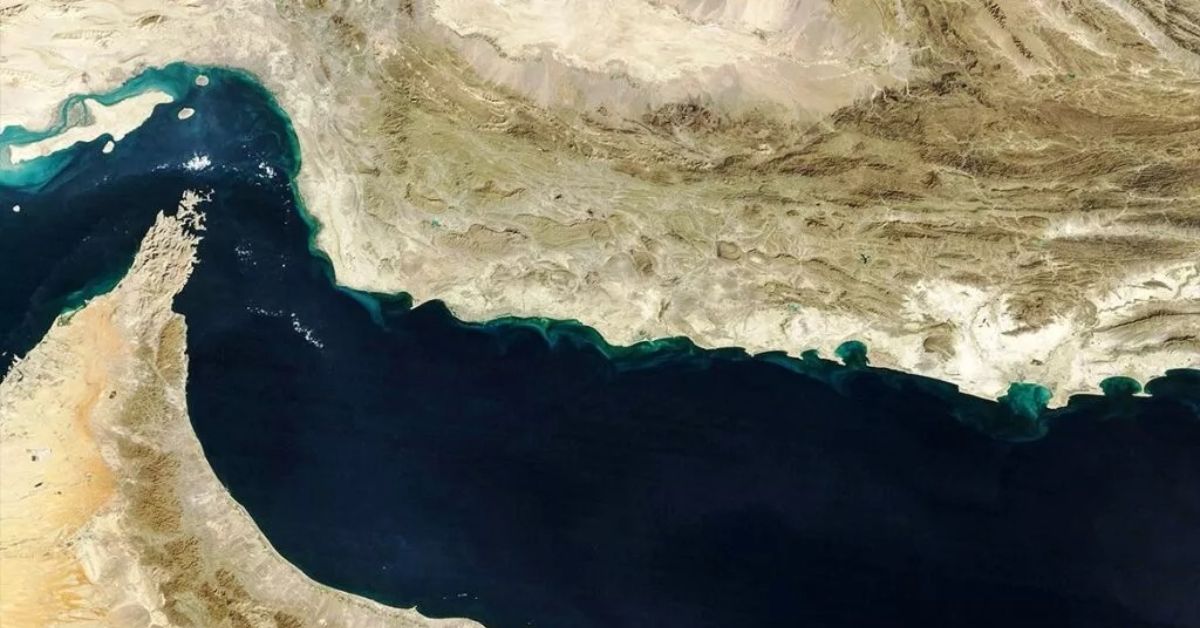
The Strait of Hormuz, a critical chokepoint for global oil trade, has become the focal point of intense diplomatic maneuvering between Oman and Iran. Recent talks in Tehran, described as ‘constructive,’ have yielded a draft operational plan for the strait, suggesting a temporary navigational corridor might soon materialize.
Omani Foreign Minister Badr Albusaidi’s visit to Tehran marks a significant step in these negotiations. Meeting with Iranian Foreign Minister Abbas Araghchi, the discussions centered on securing the shipping lanes of Hormuz and exploring a joint mine-clearing arrangement. This development comes as the broader U.S.-Iran peace efforts continue to unravel.
The context of these talks is fraught with tension. A previously signed 14-point memorandum between the involved parties collapsed after disputes over interpretations, and the framework expired without renewal. Meanwhile, former U.S. President Donald Trump has escalated matters by threatening Oman, despite earlier agreements allowing Oman to facilitate dialogue with Iran.
In a region where roughly one-fifth of the world’s traded oil once flowed, the stakes are high. The potential establishment of a temporary corridor could alleviate some economic pressure, but the geopolitical implications remain complex. The next steps will likely hinge on whether Oman and Iran can finalize a joint statement and operationalize their corridor concept amid ongoing political strife.
That threat is the story’s most jarring twist, because The National also notes Trump had previously agreed in a signed document that Oman would “conduct dialogue” with Iran over the future administration and maritime services of the strait. The National reported that a 14-point memorandum of understanding signed on June 17 collapsed after disputes over how each side interpreted the Strait of Hormuz clause, and that the 60-day framework expired on August 17.
On August 24, Iran announced Albusaidi’s trip to Tehran to continue the talks. ” The same August 25 National report said the Oman-Iran channel was focused specifically on passage through Hormuz and that a corridor and mine-clearing arrangement were under discussion.
At the same time, the broader diplomatic clock has already slipped: the June 17 memorandum is dead, the August 17 deadline has passed, and no extension has been publicly confirmed. ” AP’s latest dispatch says Albusaidi met Iranian Foreign Minister Abbas Araghchi in Tehran and the two sides discussed a framework for managing ship traffic, while The National’s August 25 reporting adds that the proposal under discussion includes a “temporary navigational corridor” and potentially a joint mine-clearing project.
The sharpest revelation is that this is no longer simply about reopening a chokepoint; it is about who controls the terms of passage through one of the world’s most important energy arteries. Before the war, roughly one-fifth of the world’s traded oil passed through the strait, making even a temporary corridor economically enormous.
Esmaeil Baghaei, the Iranian foreign ministry spokesman, publicly framed the trip as a way to bolster “peace and stability in the region” and separately said the transit-route map had been agreed in principle. AP’s latest report, published today, confirms the Tehran meeting happened and that the two sides issued a statement on managing the strait.
Roughly 20% of global oil trade passed through Hormuz pre-war — any temporary corridor holds significant economic implications. That threat is the story’s most jarring twist, because The National also notes Trump had previously agreed in a signed document that Oman would “conduct dialogue” with Iran over the future administration and maritime services of the strait.
A previously signed 14-point memorandum between the involved parties collapsed after disputes over interpretations, and the framework expired without renewal. The National reported that a 14-point memorandum of understanding signed on June 17 collapsed after disputes over how each side interpreted the Strait of Hormuz clause, and that the 60-day framework expired on August 17.
Before the war, roughly one-fifth of the world’s traded oil passed through the strait, making even a temporary corridor economically enormous. Esmaeil Baghaei, the Iranian foreign ministry spokesman, publicly framed the trip as a way to bolster “peace and stability in the region” and separately said the transit-route map had been agreed in principle.
The scale and speed of this development has caught many observers off guard. Each new update adds another dimension to a story that is still unfolding, and the full picture will only become clear as more verified details emerge from the people and institutions directly involved.
Analysts who have tracked this issue closely say the current moment represents a genuine turning point. The decisions made in the coming weeks are expected to set the direction for months ahead, with ripple effects likely to extend well beyond the immediate actors in the story.
For those directly affected, the practical impact is already visible. People navigating this fast-changing situation are dealing with real consequences while new information continues to reshape what is known and what remains open to interpretation.
Historical parallels offer some context, though experts caution against drawing too close a comparison. Similar situations have played out before, but the specific combination of pressures, personalities, and timing here makes this moment distinct in ways that matter for how it ultimately resolves.
The political and economic dimensions of this story are deeply intertwined. What appears as a single event on the surface is in practice the convergence of multiple pressures that have been building quietly over a longer period than most public reporting has captured.