

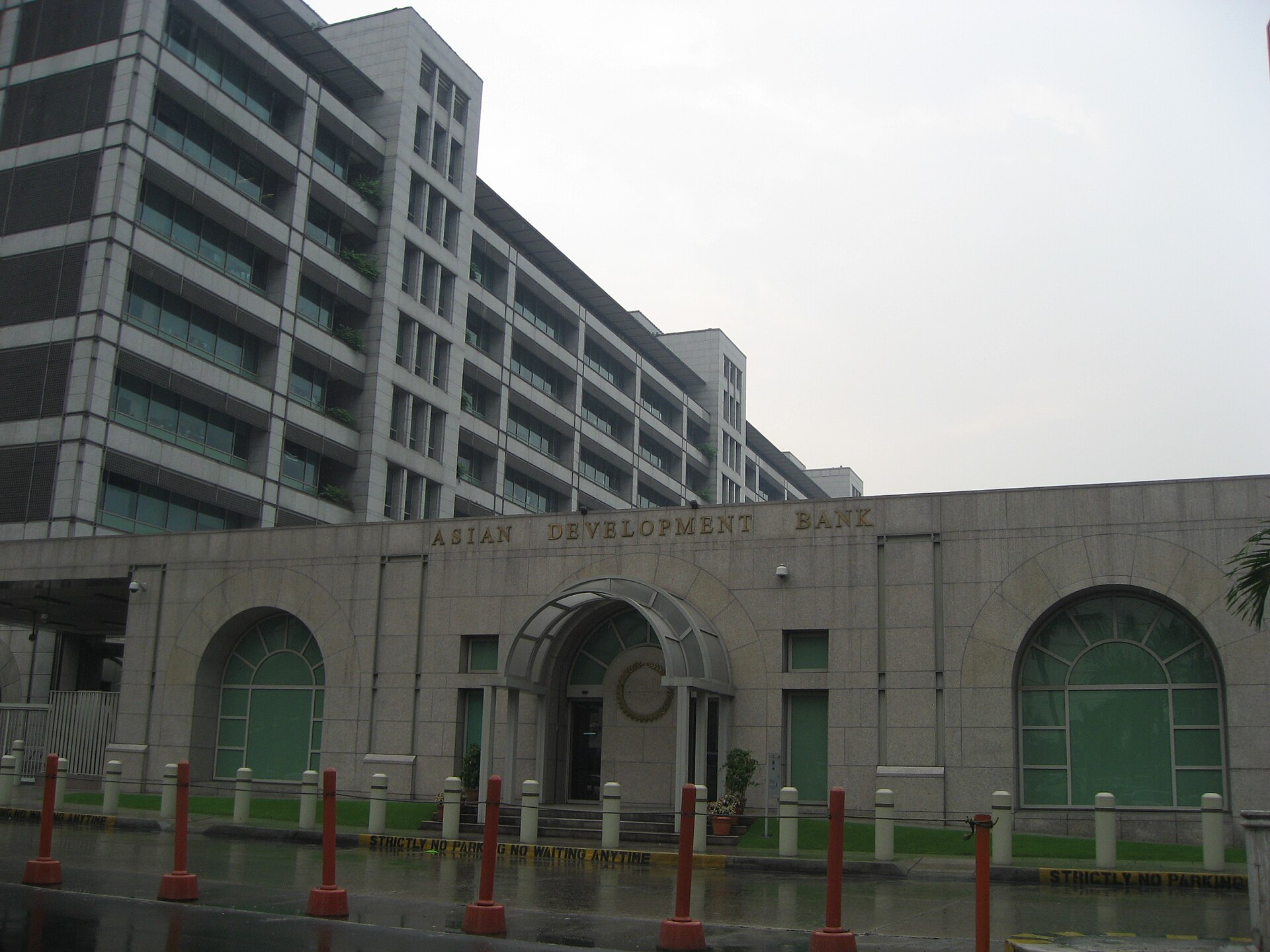

Quick Summary: Inflation Set to Surge to 8.3% in Pakistan, ADB Warns
- The Asian Development Bank held Pakistan’s FY2027 growth forecast at 3.7% — this remains below the government’s 4% target.
- ADB projects inflation to rise to 8.3% in FY2027 — surpassing the State Bank of Pakistan’s target range of 5% to 7%.
- Pakistan’s economic growth stagnated at 3.7% in FY2026 — ADB expects no acceleration despite reforms and credit-rating upgrades.
- ADB’s forecast reflects concerns over Middle East conflict spillover — higher costs could impact inflation and remittances.
- Pakistani officials met with ADB in September to discuss reforms — yet the growth forecast remains cautious.
Source: Open external resource
Source: Read original article
The Asian Development Bank’s decision to maintain Pakistan’s growth forecast at 3.7% for FY2027 sends a clear message: optimism is in short supply. Despite the government’s ambitious 4% target, the ADB’s outlook remains cautious, highlighting economic challenges that cannot be ignored. Inflation is at the center of this development.
Inflation is the looming shadow over Pakistan’s economic landscape. With projections now set at 8.3% for FY2027, the ADB warns of rising costs in energy, logistics, and agricultural inputs. This upward trend in inflation not only overshoots the State Bank’s ideal range but also complicates the path to economic stability.
The backdrop of this forecast is a complex web of geopolitical tension and domestic policy reform. The ongoing Middle East conflict threatens to disrupt remittances, a key economic buffer for Pakistan. Meanwhile, despite reforms and improved credit ratings, the ADB’s unchanged growth forecast underscores the disconnect between international credibility and domestic economic performance.
As Pakistan navigates these challenges, the road ahead is fraught with uncertainty. The government’s ability to manage inflation and sustain growth will be crucial in determining whether the ADB’s forecast remains a conservative estimate or becomes an optimistic outlier. The stakes are high, and the next steps will be pivotal in shaping the country’s economic trajectory.
The State Bank had already warned in April that inflation was expected to stay above the upper bound of its 5 percent to 7 percent target range for most of FY27, and it specifically cited the duration and intensity of the regional conflict as a key risk. That means the next major tests are not a single vote or hearing but a run of upcoming inflation, remittance and reserves data, plus future central-bank decisions on rates and the government’s ability to hold to its 4 percent growth ambition.
7 percent, but that flat forecast matters because it remains below the Pakistani government’s 4 percent target for the fiscal year now under way. 7 percent in FY2026, meaning ADB now expects no acceleration at all this year despite the government’s reform push and recent credit-rating upgrades.
Earlier this month, on September 2 and September 4, senior Pakistani officials met ADB Vice President Yingming Yang in Islamabad and publicly emphasized reforms, investor confidence and external support. 3 percent, well above Islamabad’s 7 percent official estimate.
” Yet ADB’s September call effectively says that even with those gains, inflation is likely to overshoot the government’s estimate and growth will still miss target. 3 percent in FY2027, above the State Bank of Pakistan’s medium-term 5 percent to 7 percent range.
3pc in FY27” as high energy, logistics and agricultural input costs keep feeding through to domestic prices. The most revealing numerical contrast is how fast ADB’s view of FY2027 has deteriorated this year.
Despite the government’s ambitious 4% target, the ADB’s outlook remains cautious, highlighting economic challenges that cannot be ignored. 7% — this remains below the government’s 4% target.
3% in FY2027 — surpassing the State Bank of Pakistan’s target range of 5% to 7%. 7% in FY2026 — ADB expects no acceleration despite reforms and credit-rating upgrades.
3% for FY2027, the ADB warns of rising costs in energy, logistics, and agricultural inputs. 7% for FY2027 sends a clear message: optimism is in short supply.
Earlier this month, on September 2 and September 4, senior Pakistani officials met ADB Vice President Yingming Yang in Islamabad and publicly emphasized reforms, investor confidence and external support. The government’s ability to manage inflation and sustain growth will be crucial in determining whether the ADB’s forecast remains a conservative estimate or becomes an optimistic outlier.
The scale and speed of this development has caught many observers off guard. Each new update adds another dimension to a story that is still unfolding, and the full picture will only become clear as more verified details emerge from the people and institutions directly involved.
Analysts who have tracked this issue closely say the current moment represents a genuine turning point. The decisions made in the coming weeks are expected to set the direction for months ahead, with ripple effects likely to extend well beyond the immediate actors in the story.
For those directly affected, the practical impact is already visible. People navigating this fast-changing situation are dealing with real consequences while new information continues to reshape what is known and what remains open to interpretation.
Historical parallels offer some context, though experts caution against drawing too close a comparison. Similar situations have played out before, but the specific combination of pressures, personalities, and timing here makes this moment distinct in ways that matter for how it ultimately resolves.
The political and economic dimensions of this story are deeply intertwined. What appears as a single event on the surface is in practice the convergence of multiple pressures that have been building quietly over a longer period than most public reporting has captured.