


Quick Summary: President Trump Votes By Mail Despite Past Criticisms
- Nearly 2 million ballots were cast before Florida’s primary, with 1,152,650 by mail and 818,176 through early voting.
- Republicans led early in-person voting with 448,532 ballots, surpassing Democrats’ 305,496.
- Vote-by-mail requests dropped significantly to 1.9 million, down from over 4 million in previous cycles.
- New election laws require voters to renew mail-ballot requests every even-numbered year, impacting participation.
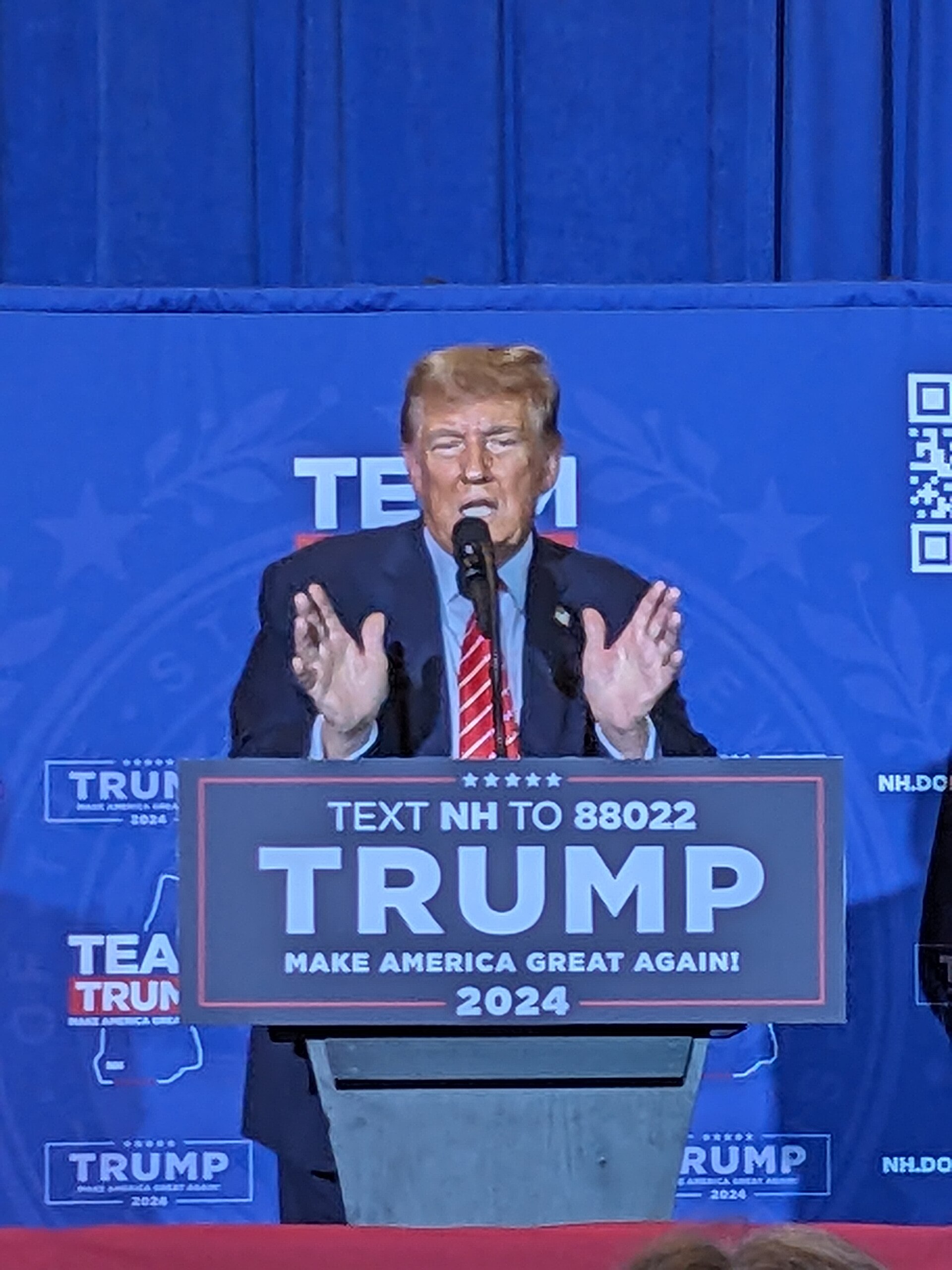
- President Trump, despite criticizing mail voting, used it in Florida’s Republican primary.
Source: Open external resource
Source: Read original article
Florida’s primary elections are already making headlines, not for the election day turnout, but for the massive pre-election participation. Nearly 2 million ballots were cast before polls even opened, highlighting a significant shift in voter behavior. Mail is at the center of this development.
Republicans, despite a history of skepticism towards mail voting, have shown strong early voting numbers. They returned 444,156 mail ballots and dominated early in-person voting with 448,532 ballots, overshadowing Democrats in the process. This shift comes amid new state laws requiring mail-ballot renewals every two years, which has halved the number of requests since 2022.
This change in voting patterns is a direct result of the 2021 election law signed by Governor Ron DeSantis. The law has reshaped the voting landscape, forcing voters to adapt to new rules while political leaders grapple with the consequences of their own rhetoric. Interestingly, President Trump, a vocal critic of mail voting, participated using this method in the Republican primary.
As Florida’s primary unfolds, the focus remains on whether these pre-election trends will define future voting behaviors. The nearly 2 million early votes cast could signal a lasting transformation in how Floridians approach elections, especially under the new regulations.
Sean Freeder of the University of North Florida’s public opinion research lab said the decline reflects both “partisan attitudes about mail ballots” and the effects of tighter rules, while the story tied the drop directly to the 2021 election law signed by Ron DeSantis that forced voters to renew mail-ballot requests every even-numbered year instead of staying on the rolls automatically. The contradiction is especially striking because, as recent local and social reporting noted, Republican voters were still highly competitive or ahead in pre-Election Day participation, and because President Donald Trump — who has called mail voting corrupt in the past — was reported Tuesday to have voted by mail himself in Florida’s Republican primary.
1 million registered voters had already requested vote-by-mail ballots, with Democrats initially leading those requests: 523,083 Democrats, 391,149 Republicans, 217,849 no-party voters and 25,193 voters from other parties. on Tuesday, August 18, according to the Florida Division of Elections’ statewide report.
That deadline is crucial because the 778,266 ballots still listed as sent but not returned represented both an opportunity and a risk for campaigns trying to squeeze out late votes before the hard cutoff. The state also still had 778,266 vote-by-mail ballots listed as provided but not yet returned as of the same update, meaning a huge bloc of outstanding ballots was still in play.
On the mail side, Pinellas had already received 106,215 vote-by-mail ballots, Miami-Dade 97,956 early votes alongside 97,000-plus combined pre-election activity, Broward had 72,848 returned mail ballots, and Volusia had 39,638. August 6 was the deadline to request a mail ballot by mail for the primary.
Mandatory early voting ran August 8 through August 15, with some counties allowed optional extra days on August 3 to 7 and August 16. on Tuesday, August 18, and the first unofficial returns are expected shortly after closing, built on top of the already-tabulated early-vote and vote-by-mail totals.
This shift comes amid new state laws requiring mail-ballot renewals every two years, which has halved the number of requests since 2022. 1 million registered voters had already requested vote-by-mail ballots, with Democrats initially leading those requests: 523,083 Democrats, 391,149 Republicans, 217,849 no-party voters and 25,193 voters from other parties.
9 million, down from over 4 million in previous cycles. on Tuesday, August 18, according to the Florida Division of Elections’ statewide report.
The scale and speed of this development has caught many observers off guard. Each new update adds another dimension to a story that is still unfolding, and the full picture will only become clear as more verified details emerge from the people and institutions directly involved.
Analysts who have tracked this issue closely say the current moment represents a genuine turning point. The decisions made in the coming weeks are expected to set the direction for months ahead, with ripple effects likely to extend well beyond the immediate actors in the story.
For those directly affected, the practical impact is already visible. People navigating this fast-changing situation are dealing with real consequences while new information continues to reshape what is known and what remains open to interpretation.
Historical parallels offer some context, though experts caution against drawing too close a comparison. Similar situations have played out before, but the specific combination of pressures, personalities, and timing here makes this moment distinct in ways that matter for how it ultimately resolves.
The political and economic dimensions of this story are deeply intertwined. What appears as a single event on the surface is in practice the convergence of multiple pressures that have been building quietly over a longer period than most public reporting has captured.