

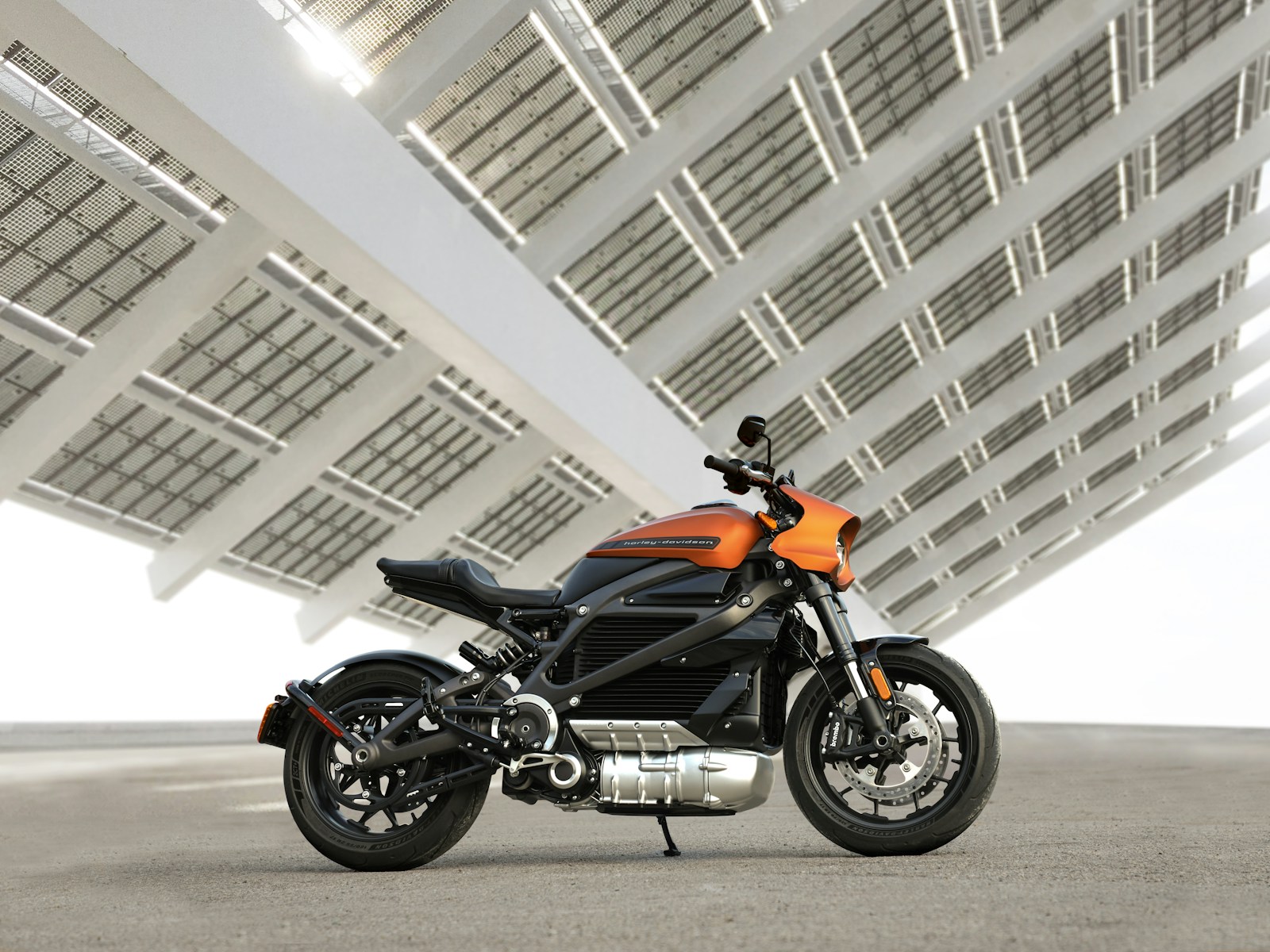

Quick Summary: Kenyas M – KOPA Finances 10,000 E – Bikes, Targets 250,000 Tuk
- M-KOPA has financed 10,000 electric motorbikes in Kenya, marking a significant milestone in sustainable transport.
- The company announced its expansion into the tuk-tuk market in a statement from Nairobi on September 7, 2026.
- M-KOPA’s pay-as-you-go model aims to reduce operating costs for riders, saving an average of KSh530 daily per motorcycle.
- The expansion targets Kenya’s large tuk-tuk market, estimated at over 250,000 registered vehicles.
- Financing models are pivotal in determining electric vehicle adoption in East Africa, with M-KOPA leading the charge.
Source: Open external resource
Source: Read original article
M-KOPA is making waves in Kenya’s electric vehicle scene, having recently financed over 10,000 electric motorbikes. This achievement is not just a number; it’s a bold statement about the future of transportation. Their latest move into the tuk-tuk market signifies a strategic expansion aimed at reshaping the landscape of commercial transport.
The company’s pay-as-you-go financing model is revolutionary in its approach. By allowing riders to pay in small installments tied to their daily earnings, M-KOPA is democratizing access to electric vehicles. This model has already proven successful with motorbikes, saving riders an average of KSh530 a day on fuel and maintenance. Now, the focus shifts to tuk-tuks, a sector with over 250,000 registered vehicles and immense potential for growth.
Kenya’s tuk-tuk economy is vast, with an estimated 750,000 active drivers. M-KOPA’s expansion into this market is not just about numbers; it’s about providing a sustainable and economically viable alternative to traditional fuel vehicles. The company is backed by partnerships with electric vehicle makers and incentives from the Kenyan government, which include tax breaks on electric vehicles and their components.
This move is more than a milestone; it’s a market-expansion story that could redefine how transportation is financed in East Africa. The coming months will test whether tuk-tuk operators embrace this new financing model and whether it can sustain itself at scale. If successful, M-KOPA’s strategy could be the catalyst for a broader shift towards electric vehicles in the region.
The freshest reporting, published between September 7 and September 9, 2026, says M-KOPA crossed the 10,000-financed-motorbike mark and formally announced the tuk-tuk expansion in a Nairobi media statement dated September 7. On September 7, 2026, M-KOPA issued the Nairobi statement announcing both the 10,000-bike milestone and the tuk-tuk expansion.
93 billion if usage holds throughout the year, while another cited M-KOPA’s own rougher estimate of about KSh1 billion annually, a gap that underscores how aggressively the company is marketing the economics of electric transport. M-KOPA’s big new move is not just that it has financed more than 10,000 electric motorbikes in Kenya, but that it is now pushing its pay-as-you-go credit model into the far larger and more commercially important tuk-tuk market, a bet that turns electric transport from a boda-boda story into a broader fight over who gets financed to own income-generating vehicles.
” That quote matters because it frames the expansion less as a climate play than as a cash-flow proposition for workers who earn trip by trip. Kenya’s tuk-tuk economy is already huge, with M-KOPA citing Kenya Tuk Tuk Operators Network estimates of more than 250,000 registered tuk-tuks, about 750,000 active drivers, and 250,000 owners and investors.
The main organizations in this week’s reporting are M-KOPA, the fintech-asset financer driving the expansion; electric vehicle makers Ampersand, Roam, and Spiro, whose motorcycles M-KOPA already finances; Bolt, which has partnered with M-KOPA on rider incentives and financing access; and the Kenya Tuk Tuk Operators Network, whose market-size figures help explain why the company is moving now. Financing 10,000 bikes is already significant, but motorcycles are only one rung of the informal transport ladder; tuk-tuks carry passengers and goods and are central to last-mile urban logistics.
On September 8, Kenyan tech and business outlets amplified the news and highlighted Brian Njao’s comments and the KSh530-a-day rider savings claim. The latest reports say M-KOPA’s next phase will focus on expanding customer access, partnerships, and financing across Kenya’s electric transport ecosystem, with the market now watching whether tuk-tuk operators actually take up the loans and whether repayment performance holds at scale.
The company announced its expansion into the tuk-tuk market in a statement from Nairobi on September 7, 2026. The freshest reporting, published between September 7 and September 9, 2026, says M-KOPA crossed the 10,000-financed-motorbike mark and formally announced the tuk-tuk expansion in a Nairobi media statement dated September 7.
On September 7, 2026, M-KOPA issued the Nairobi statement announcing both the 10,000-bike milestone and the tuk-tuk expansion. Quick Summary: M-KOPA Finances 10,000 Electric Motorbikes, Expands to Tuk-Tuks – Serrari Group M-KOPA has financed 10,000 electric motorbikes in Kenya, marking a significant milestone in sustainable transport.
M-KOPA’s pay-as-you-go model aims to reduce operating costs for riders, saving an average of KSh530 daily per motorcycle. The expansion targets Kenya’s large tuk-tuk market, estimated at over 250,000 registered vehicles.
M-KOPA is making waves in Kenya’s electric vehicle scene, having recently financed over 10,000 electric motorbikes. This model has already proven successful with motorbikes, saving riders an average of KSh530 a day on fuel and maintenance.
The scale and speed of this development has caught many observers off guard. Each new update adds another dimension to a story that is still unfolding, and the full picture will only become clear as more verified details emerge from the people and institutions directly involved.
Analysts who have tracked this issue closely say the current moment represents a genuine turning point. The decisions made in the coming weeks are expected to set the direction for months ahead, with ripple effects likely to extend well beyond the immediate actors in the story.
For those directly affected, the practical impact is already visible. People navigating this fast-changing situation are dealing with real consequences while new information continues to reshape what is known and what remains open to interpretation.
Historical parallels offer some context, though experts caution against drawing too close a comparison. Similar situations have played out before, but the specific combination of pressures, personalities, and timing here makes this moment distinct in ways that matter for how it ultimately resolves.
The political and economic dimensions of this story are deeply intertwined. What appears as a single event on the surface is in practice the convergence of multiple pressures that have been building quietly over a longer period than most public reporting has captured.