


Quick Summary: Brent Crude Climbs to $105 as Global Market Pressures Intensify
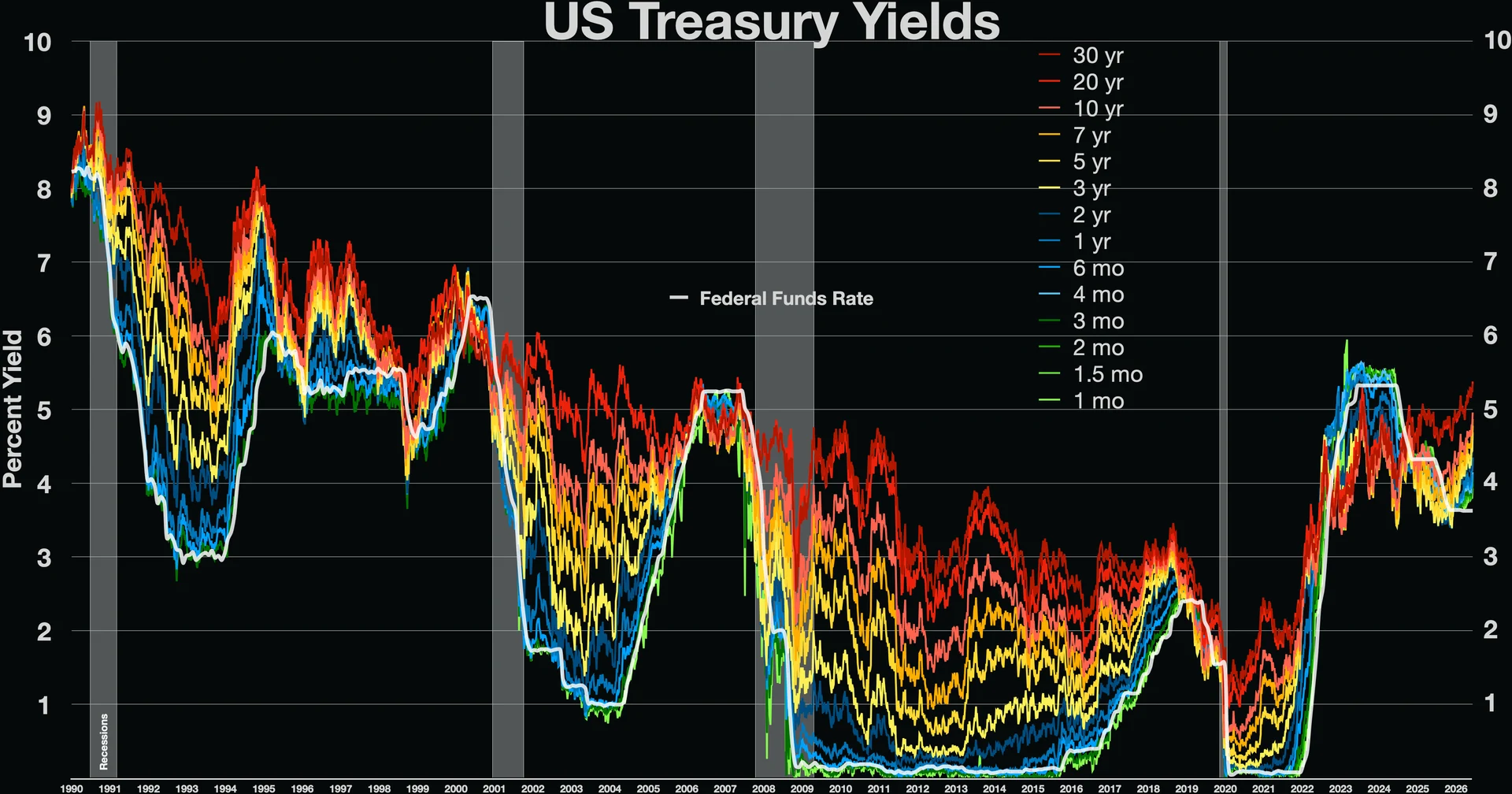
- U.S. 10-year Treasury yield broke 5% on September 15 — a failed stabilization effort triggered broader market concerns.
- Investors sold 900 billion won in ETFs on the KOSPI — foreign and institutional selling intensified the market downturn.
- Trump’s proposed $5,000 midterm dividend plan could cost over $1 trillion — raising fears about U.S. fiscal discipline.
- Brent crude rose to $105.68 a barrel — the oil price surge added pressure on global markets.
- U.S. fiscal deficit concerns grow as federal debt tops $40 trillion — market doubts about Treasury’s intervention increase.
Source: Open external resource
Source: Read original article
The U.S. Treasury market is in turmoil, with the 10-year yield piercing the psychological 5% barrier, sending shockwaves through global finance. Despite Treasury Secretary Scott Bessent’s efforts to calm the storm with bond buybacks, the intervention fell short, leaving investors on edge.
In Korea, the ripple effect was immediate. Foreign investors offloaded 900 billion won in ETFs, and the won-dollar exchange rate climbed, underscoring the global impact of U.S. fiscal policies. The surge in oil prices only added fuel to the fire, as Brent crude soared past $105 a barrel.
Underlying this financial turbulence is a deeper political narrative. Former President Donald Trump’s promise of a $5,000 payout to Americans if Republicans win the midterms has raised alarms about fiscal discipline, especially with federal debt now exceeding $40 trillion. This fiscal uncertainty is compounded by concerns over the U.S. Treasury’s ability to manage its vast market effectively.
The stakes are high, and the world is watching Washington’s next move. Will there be more substantial buybacks or a clearer fiscal strategy? The market’s message is clear: symbolic gestures won’t suffice. This is a critical moment for U.S. economic credibility, with implications stretching from Wall Street to Seoul.
liabilities, while the New York Times reported that Bessent was pressed in Congress as the 10-year yield topped 5%. fiscal discipline after federal debt topped $40 trillion and after Donald Trump promoted a midterm-election “dividend” plan.
The FT said Trump promised a $5,000 payment to all American adults if Republicans won the midterms, a proposal it estimated could cost more than $1 trillion. The same piece said the Bank for International Settlements sees current global AI investment of about $500 billion potentially rising to $3 trillion to $4 trillion by 2030, but warned about opaque financing links.
041% on September 15 even after Treasury Secretary Scott Bessent intervened with bond buybacks that investors judged too small. ChosunBiz reported on September 26 that rising Treasury yields are beginning to squeeze the economics of giant AI buildouts because companies funding data centers with 20-year-plus bonds now face meaningfully higher capital costs.
ChosunBiz also noted that the Bank of Korea projected global AI investment growth could slow from 61% to 95% this year to 38% to 40% in 2027 and 13% to 21% in 2028, meaning the bond selloff is no longer just about government finance; it is starting to challenge the assumptions behind the tech boom. Congress is also part of the next phase: the New York Times reported that Bessent defended his intervention before the House Financial Services Committee as yields pushed to a 19-year high.
Trump added to the controversy by saying on September 9 that “as soon as the (November midterm) elections end, the war will end and oil prices will plunge,” but ChosunBiz reported that market participants focused instead on signs from inside the administration that tensions with Iran could last much longer. 10-year yield moving toward 5% and the jump in oil prices were the immediate triggers.
liabilities, while the New York Times reported that Bessent was pressed in Congress as the 10-year yield topped 5%. Former President Donald Trump’s promise of a $5,000 payout to Americans if Republicans win the midterms has raised alarms about fiscal discipline, especially with federal debt now exceeding $40 trillion.
fiscal deficit concerns grow as federal debt tops $40 trillion — market doubts about Treasury’s intervention increase. fiscal discipline after federal debt topped $40 trillion and after Donald Trump promoted a midterm-election “dividend” plan.
The FT said Trump promised a $5,000 payment to all American adults if Republicans won the midterms, a proposal it estimated could cost more than $1 trillion. 041% on September 15 even after Treasury Secretary Scott Bessent intervened with bond buybacks that investors judged too small.
Congress is also part of the next phase: the New York Times reported that Bessent defended his intervention before the House Financial Services Committee as yields pushed to a 19-year high. 10-year Treasury yield broke 5% on September 15 — a failed stabilization effort triggered broader market concerns.
Treasury market is in turmoil, with the 10-year yield piercing the psychological 5% barrier, sending shockwaves through global finance. 10-year yield moving toward 5% and the jump in oil prices were the immediate triggers.
The scale and speed of this development has caught many observers off guard. Each new update adds another dimension to a story that is still unfolding, and the full picture will only become clear as more verified details emerge from the people and institutions directly involved.
Analysts who have tracked this issue closely say the current moment represents a genuine turning point. The decisions made in the coming weeks are expected to set the direction for months ahead, with ripple effects likely to extend well beyond the immediate actors in the story.
For those directly affected, the practical impact is already visible. People navigating this fast-changing situation are dealing with real consequences while new information continues to reshape what is known and what remains open to interpretation.
Historical parallels offer some context, though experts caution against drawing too close a comparison. Similar situations have played out before, but the specific combination of pressures, personalities, and timing here makes this moment distinct in ways that matter for how it ultimately resolves.
The political and economic dimensions of this story are deeply intertwined. What appears as a single event on the surface is in practice the convergence of multiple pressures that have been building quietly over a longer period than most public reporting has captured.