

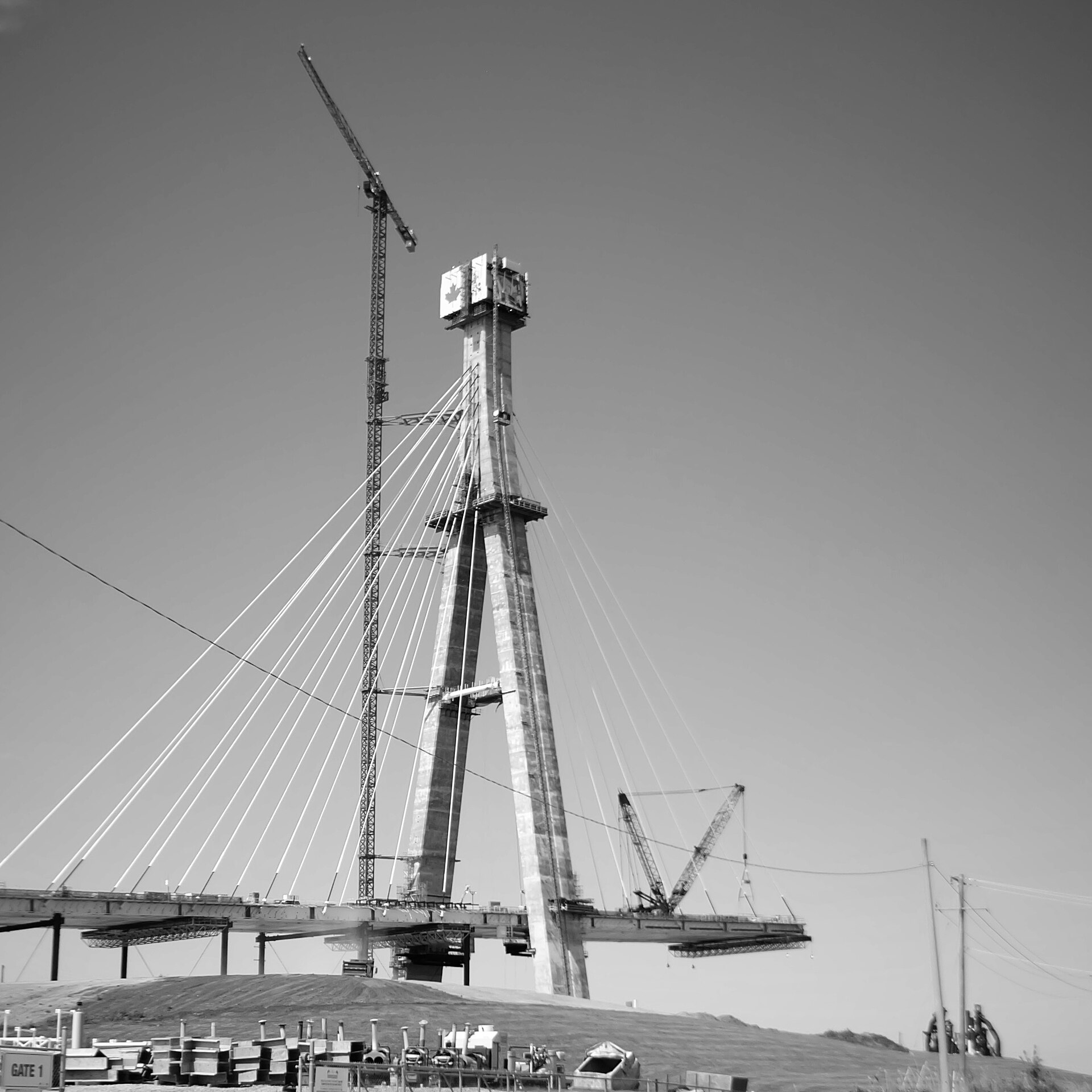

Quick Summary: Gordie Howe Bridge to Open July 27 as Canada, U.s. Settle on Profit Sharing
- Canada, Michigan, and the U.S. agreed on toll governance and a 15-year economic fund financed by bridge profits.
- The Canadian government will share 50% of toll profits for the first 15 years, despite fully funding the $6.4 billion project.
- The U.S. gained influence over future toll changes, shifting expected control from Canada.
- Political tensions arose after President Trump delayed the bridge opening, demanding a share of ownership.
- The bridge is vital for trade, carrying hundreds of millions in goods daily across the Windsor-Detroit corridor.
Source: Open external resource
Source: Read original article
The Canadian government’s decision to open the Gordie Howe International Bridge on July 27 marks a significant shift in North American infrastructure dynamics. Despite funding the entire $6.4 billion project, Canada has agreed to share 50% of the bridge’s toll profits for the first 15 years, a move that highlights the complex interplay of international diplomacy and economic strategy.
This agreement, announced on July 10, includes a 15-year economic development fund supported by a portion of bridge profits. It represents a major concession from Canada, which initially anticipated greater control over the bridge’s financial returns. The arrangement reflects the leverage the United States exerted following a sudden delay in the bridge’s opening, a decision influenced by former President Trump’s administration.
Political figures like Windsor Mayor Drew Dilkens have expressed concerns over Canada’s perceived concessions, emphasizing the political sensitivity surrounding the negotiations. The bridge, which spans the Windsor-Detroit corridor, is crucial for trade, facilitating hundreds of millions of dollars in daily exchanges. The new agreement not only affects toll revenue distribution but also grants the U.S. a say in future toll adjustments, a power previously expected to rest with Canada.
As the July 27 opening date approaches, the implications of this deal continue to unfold, with potential impacts on regional politics and international trade relations. The bridge’s completion is a testament to the complex interdependencies between Canada and the U.S., showcasing the intricate balance of power, economics, and diplomacy in infrastructure projects.
Michigan Republican Senate candidate Mike Rogers then inserted himself into the story by saying on WJR radio, “I had a conversation with the secretary yesterday, Secretary of Commerce Lutnick, and the deal will be announced in the next few days. AP reported that the delay became an issue in a closely watched Michigan Senate race, giving Democrats an opening to tie Trump directly to a project with visible economic consequences in a battleground state.
The old privately owned Ambassador Bridge also hangs over the story; AP noted that the Moroun family, which owns that competing crossing, remains a powerful regional player and that Matthew Moroun donated $1 million to Trump’s super PAC earlier this year, a detail likely to intensify scrutiny of why the new publicly backed bridge faced a late-stage holdup. In its July 10 announcement, Ottawa said Canada, Michigan and the United States had agreed to “a series of cooperative measures” on “toll governance and transparency” plus a 15-year economic development fund financed by a portion of bridge profits.
The remaining unanswered question is who will control the new 15-year economic development fund and how much practical veto power Washington will exercise over toll changes above 10 per cent or below regional averages, both of which are emerging as the next pressure points once the bridge finally opens. The Canadian government’s own language was carefully upbeat but revealing.
” Windsor Mayor Drew Dilkens publicly pushed back on any appearance of capitulation, writing that “Canada need not fall on bent knee to make it happen,” which captured the political sensitivity of the negotiations. government, along with other unspecified demands.
Earlier agreements reportedly gave Canada 100 per cent of toll profits until it recovered its investment, a process estimated to take at least 50 years, before toll revenues would then be split equally with Michigan. The new arrangement therefore looks like a material reversal: Canada is accepting a 50-50 split far earlier than anticipated, before it has been made whole.
4 billion project, Canada has agreed to share 50% of the bridge’s toll profits for the first 15 years, a move that highlights the complex interplay of international diplomacy and economic strategy. The Canadian government’s decision to open the Gordie Howe International Bridge on July 27 marks a significant shift in North American infrastructure dynamics.
This agreement, announced on July 10, includes a 15-year economic development fund supported by a portion of bridge profits. In its July 10 announcement, Ottawa said Canada, Michigan and the United States had agreed to “a series of cooperative measures” on “toll governance and transparency” plus a 15-year economic development fund financed by a portion of bridge profits.
The Canadian government’s own language was carefully upbeat but revealing. agreed on toll governance and a 15-year economic fund financed by bridge profits.
As the July 27 opening date approaches, the implications of this deal continue to unfold, with potential impacts on regional politics and international trade relations. government, along with other unspecified demands.
The new arrangement therefore looks like a material reversal: Canada is accepting a 50-50 split far earlier than anticipated, before it has been made whole. gained influence over future toll changes, shifting expected control from Canada.
The scale and speed of this development has caught many observers off guard. Each new update adds another dimension to a story that is still unfolding, and the full picture will only become clear as more verified details emerge from the people and institutions directly involved.
Analysts who have tracked this issue closely say the current moment represents a genuine turning point. The decisions made in the coming weeks are expected to set the direction for months ahead, with ripple effects likely to extend well beyond the immediate actors in the story.
For those directly affected, the practical impact is already visible. People navigating this fast-changing situation are dealing with real consequences while new information continues to reshape what is known and what remains open to interpretation.
Historical parallels offer some context, though experts caution against drawing too close a comparison. Similar situations have played out before, but the specific combination of pressures, personalities, and timing here makes this moment distinct in ways that matter for how it ultimately resolves.
The political and economic dimensions of this story are deeply intertwined. What appears as a single event on the surface is in practice the convergence of multiple pressures that have been building quietly over a longer period than most public reporting has captured.