
63.8 F
San Francisco
Friday, June 26, 2026
Home Blog Page 29

Bank of Japan Raises Interest Rate to 1% Amid Inflation Concerns and Weak Yen

0

Quick Summary: Bank of Japan Raises Interest Rate to 1% Amid Inflation Concerns and Weak Yen

  • The Bank of Japan raised its policy rate to 1%, the highest since 1995, to combat inflation.
  • The rate hike is tied to inflation risks from the Middle East energy shock and a weak yen.
  • Economists project another rate increase to 1.25% in the fourth quarter.
  • The yen slid to about 160 per dollar, adding pressure on policymakers.
  • Markets are concerned about the impact of rate hikes on Japan’s fragile economy.

The Bank of Japan’s decision to raise its key policy rate to 1% marks a significant shift in its approach to tackling inflation, reaching a level not seen since 1995. This move comes as a response to mounting inflation risks exacerbated by the Middle East-driven energy shock and a weakening yen.

The decision has sparked a heated debate among economists and market analysts. While the rate hike aims to curb inflation, there is growing concern about its potential impact on Japan’s already fragile economic growth. The yen’s slide to about 160 per dollar underscores the challenges faced by policymakers in balancing inflation control with economic stability.

Economists are now projecting another rate increase to 1.25% in the fourth quarter, which could push Japan further into uncharted territory. The Bank of Japan’s actions are being closely watched as markets try to gauge whether this is a one-off response or the beginning of a sustained inflation-fighting cycle.

As the Bank of Japan navigates these turbulent waters, the central conflict remains: inflation is high enough to justify tighter policy, but economic growth is still too weak to absorb such moves without risk. The coming months will reveal whether Japan’s bold rate hike strategy will stabilize the yen and control inflation or lead to further economic challenges.

3% in May from a year earlier, the fastest pace in three years, as companies passed on higher energy costs. AP said the Nikkei 225 briefly topped 70,000 before surrendering some gains, a sign that investors are still balancing the benefits of policy normalization against the risk of tighter financial conditions.

25% in the fourth quarter, which would push Japan even deeper into territory that was unthinkable a few years ago. 0% and formally bringing Japan to its highest policy-rate setting since 1995.

25% is coming in the October-to-December quarter, the timing Reuters’ economist poll now favors. Japan’s big new move is that the Bank of Japan has now pushed its key policy rate up to 1%, the highest level since 1995, turning what looked like a slow normalization into a far sharper test of whether it can fight inflation and support a battered yen without choking the economy.

0% on Tuesday, June 16, but the reason for it: Reuters says the BOJ explicitly tied the move to inflation risks worsened by the Middle East-driven energy shock and the weak yen, a signal that imported inflation is now outweighing the bank’s traditional caution about Japan’s fragile growth. AP separately reported the yen had slid to about 160 per dollar, underscoring the pressure on policymakers.

AP reported that BOJ Governor Kazuo Ueda did not attend Tuesday’s policy board meeting because he had been hospitalized recently, with Deputy Governor Shinichi Uchida expected to handle the news conference instead. On June 4, Reuters reported that the BOJ was expected to raise rates unless a sharp escalation in the Middle East conflict destabilized markets.

25% in the fourth quarter, which could push Japan further into uncharted territory. 25% in the fourth quarter, which would push Japan even deeper into territory that was unthinkable a few years ago.

0% and formally bringing Japan to its highest policy-rate setting since 1995. 25% is coming in the October-to-December quarter, the timing Reuters’ economist poll now favors.

Japan’s big new move is that the Bank of Japan has now pushed its key policy rate up to 1%, the highest level since 1995, turning what looked like a slow normalization into a far sharper test of whether it can fight inflation and support a battered yen without choking the economy. 0% on Tuesday, June 16, but the reason for it: Reuters says the BOJ explicitly tied the move to inflation risks worsened by the Middle East-driven energy shock and the weak yen, a signal that imported inflation is now outweighing the bank’s traditional caution about Japan’s fragile growth.

The scale and speed of this development has caught many observers off guard. Each new update adds another dimension to a story that is still unfolding, and the full picture will only become clear as more verified details emerge from the people and institutions directly involved.

Analysts who have tracked this issue closely say the current moment represents a genuine turning point. The decisions made in the coming weeks are expected to set the direction for months ahead, with ripple effects likely to extend well beyond the immediate actors in the story.

For those directly affected, the practical impact is already visible. People navigating this fast-changing situation are dealing with real consequences while new information continues to reshape what is known and what remains open to interpretation.

Historical parallels offer some context, though experts caution against drawing too close a comparison. Similar situations have played out before, but the specific combination of pressures, personalities, and timing here makes this moment distinct in ways that matter for how it ultimately resolves.

The political and economic dimensions of this story are deeply intertwined. What appears as a single event on the surface is in practice the convergence of multiple pressures that have been building quietly over a longer period than most public reporting has captured.


Read more on Digital Chew

Qiddiya Investment Company Reveals Make Saudi Arabia the Future Home

Quick Summary: Qiddiya Investment Company Reveals Make Saudi Arabia the Future Home

  • Qiddiya Investment Company announced a 30-court National Tennis Centre on June 15, 2026, aiming to make Saudi Arabia the “future home of international tennis.”.
  • The center, located 45 kilometers west of Riyadh, is designed to host ATP, WTA, and ITF events, with a 15,000-seat main arena and a total capacity of 33,000.
  • Qiddiya’s project is being developed to international standards, signaling Saudi Arabia’s intent to compete for premium tennis events.
  • Officials, including Prince Abdulaziz bin Turki Al Faisal, emphasize the center’s role in developing tennis in the kingdom and attracting top players.
  • The announcement has sparked debate over Saudi Arabia’s strategy to influence elite sports and potentially reshape the professional tennis calendar.

Saudi Arabia has made a bold move to position itself on the global tennis map with the announcement of a massive National Tennis Centre in Qiddiya. Unveiled on June 15, 2026, this ambitious project aims to transform Saudi Arabia into a key player in international tennis.

The Qiddiya Investment Company has laid out plans for a 30-court complex designed to host ATP, WTA, and ITF events. With a 15,000-seat main arena and a total spectator capacity of 33,000, the facility is set to be the largest of its kind in the region, promising to attract top-tier tennis talent from around the world.

Located just 45 kilometers west of Riyadh, the center is being built to international standards, a clear signal of Saudi Arabia’s intent to compete for prestigious tennis events. Officials have been vocal about their ambitions, with Sports Minister Prince Abdulaziz bin Turki Al Faisal calling it a “key pillar” in the kingdom’s tennis development strategy.

This announcement has not gone unnoticed, sparking discussions about Saudi Arabia’s broader strategy to wield influence in elite sports. While supporters see it as a way to expand participation and infrastructure, critics argue it could reshape the professional tennis calendar around Gulf-backed events.

The core development landed on June 15, 2026, when Qiddiya Investment Company announced the project as Saudi Arabia’s “future home of international tennis,” placing it about 45 kilometers west of Riyadh inside Qiddiya City. Saudi state media said every court is being built to ATP, WTA and ITF specifications, and the project is being designed by Populous, the architecture firm tied in recent reporting to Wimbledon-style design references and major retractable-roof expertise.

On June 15, 2026, Qiddiya formally unveiled the project through Saudi and regional business reporting; by June 16, the story had already spread into broader international and niche tennis coverage, with some outlets dubbing it a potential “Wimbledon of the desert” because of its design cues and ambitions. Saudi Arabia’s most striking new tennis move this week is Qiddiya’s unveiling of a National Tennis Centre that is not just another venue plan but a 30-court complex explicitly designed to host top-tier ATP, WTA and ITF events, with a 15,000-seat main arena and a total spectator capacity of 33,000, making it the largest tennis facility of its kind in the region.

The numbers are what make the announcement feel like a serious bid for global tennis relevance rather than branding: 28 hard courts, 2 clay courts, a 15,000-seat center court with a retractable roof, a 5,000-seat second stadium, a 2,000-seat third show court, and an additional multiuse arena for 8,000 people that can also host concerts and cultural events. Supporters frame the center as infrastructure that can expand participation, with one headline figure being a “Tennis for All” schools program aimed at introducing more than 60,000 students to the sport.

The center will sit beside Qiddiya’s 18-hole golf course designed by Nick Faldo and includes public plazas, training and recovery facilities, and flexible event spaces meant for concerts as well as tennis. There has been no announced event award yet, no formal tournament date, and no immediate governing-body vote disclosed this week, which is itself notable: the facility reveal is ahead of any confirmed flagship tournament commitment.

In other words, this is being marketed not as a stand-alone stadium but as a sports-entertainment district asset inside a mega-development that official and industry reporting says is planned at a scale roughly three times the area of Paris. The center’s backers have made clear they want “some of the world’s most prestigious events,” but the next meaningful test will be whether ATP, WTA or ITF calendars begin assigning official high-level tournaments to Qiddiya once construction milestones are reached.

The center, located 45 kilometers west of Riyadh, is designed to host ATP, WTA, and ITF events, with a 15,000-seat main arena and a total capacity of 33,000. With a 15,000-seat main arena and a total spectator capacity of 33,000, the facility is set to be the largest of its kind in the region, promising to attract top-tier tennis talent from around the world.

The scale and speed of this development has caught many observers off guard. Each new update adds another dimension to a story that is still unfolding, and the full picture will only become clear as more verified details emerge from the people and institutions directly involved.

Analysts who have tracked this issue closely say the current moment represents a genuine turning point. The decisions made in the coming weeks are expected to set the direction for months ahead, with ripple effects likely to extend well beyond the immediate actors in the story.

For those directly affected, the practical impact is already visible. People navigating this fast-changing situation are dealing with real consequences while new information continues to reshape what is known and what remains open to interpretation.

Historical parallels offer some context, though experts caution against drawing too close a comparison. Similar situations have played out before, but the specific combination of pressures, personalities, and timing here makes this moment distinct in ways that matter for how it ultimately resolves.

The political and economic dimensions of this story are deeply intertwined. What appears as a single event on the surface is in practice the convergence of multiple pressures that have been building quietly over a longer period than most public reporting has captured.

Read more on Digital Chew

Vedanta, Hindalco, NALCO Slide as Aluminum Prices Hit Two-Month Low

0

Quick Summary: Vedanta, Hindalco, NALCO Slide as Aluminum Prices Hit Two-Month Low

  • Vedanta Aluminium, Hindalco, and NALCO shares fell up to 5% on June 16 after aluminum prices hit a two-month low.
  • An interim U.S.-Iran agreement suggests the reopening of the Strait of Hormuz, impacting aluminum supply expectations.
  • The Nifty Metal index dropped 1.5%, indicating a sector-wide impact beyond individual stocks.
  • Aluminum prices fell 4.4% to $3,379.50 per metric ton, the lowest since March 27.
  • Market sentiment shifted from scarcity pricing to supply normalization as geopolitical tensions eased.

The recent U.S.-Iran peace agreement has sent shockwaves through the aluminum market, leading to a significant drop in Vedanta Aluminium, Hindalco, and NALCO shares. On June 16, these stocks fell by as much as 5%, reflecting the broader sector’s reaction to falling aluminum prices, which hit their weakest level in over two months.

The key development here is the anticipated reopening of the Strait of Hormuz, a critical passage for global oil and metal shipments. This geopolitical shift has traders recalibrating their expectations from war-induced scarcity to a more normalized supply outlook. The Nifty Metal index’s 1.5% decline underscores that this is not just a company-specific issue but a broader market adjustment.

Aluminum prices plummeted to $3,379.50 per metric ton, marking a 4.4% decrease and the lowest point since March 27. This drop comes as market sentiment pivots from fears of supply disruption to hopes of restored logistics, following the peace deal framework between the U.S. and Iran.

While the peace headlines are promising, the reality of restoring supply chains remains complex and uncertain. Analysts warn that the optimism surrounding the deal may be premature, as actual shipments through Hormuz could take months to resume fully. The market’s reaction highlights the tension between political developments and the practicalities of global trade.

com reported three-month aluminum contracts down more than 3% to $3,426 per metric ton by midday on June 15 and said the Gulf region accounts for roughly 9% of global aluminum production. and Iran had reached a deal to end the war and that a memorandum of understanding would be signed in Switzerland on Friday, June 19, 2026.

Moneycontrol’s latest report says Vedanta Aluminium, Hindalco and NALCO shares fell as much as 5% on June 16 after aluminum prices dropped to their weakest level in more than two months. 5%, underscoring that this was not just stock-specific selling but a broad sector move driven by the commodity itself.

Moneycontrol says the shares dropped “up to 5 percent,” while other contemporaneous market reporting showed aluminum sliding about 5% on June 15 and below $3,500 a tonne, depending on contract timing and venue. Moneycontrol says “details of the plan are still being negotiated,” even as it reports the strait is expected to reopen when the agreement is signed on Friday.

Separate commodity commentary this week has echoed that downside risk from weaker global growth, especially in China, which remains a huge consumer of base metals. So the selloff is being driven by more than one factor: easing Gulf risk on one side and unresolved demand weakness on the other.

On June 13 and June 14, reporting from Reuters, AP and Axios pointed to a draft or framework agreement, with mediators from Pakistan and Qatar helping move talks forward. By the morning of June 16 in India, Moneycontrol was already reporting the full market impact in listed aluminum producers.

On June 16, these stocks fell by as much as 5%, reflecting the broader sector’s reaction to falling aluminum prices, which hit their weakest level in over two months. 5% decline underscores that this is not just a company-specific issue but a broader market adjustment.

4% decrease and the lowest point since March 27. The market’s reaction highlights the tension between political developments and the practicalities of global trade.

The scale and speed of this development has caught many observers off guard. Each new update adds another dimension to a story that is still unfolding, and the full picture will only become clear as more verified details emerge from the people and institutions directly involved.

Analysts who have tracked this issue closely say the current moment represents a genuine turning point. The decisions made in the coming weeks are expected to set the direction for months ahead, with ripple effects likely to extend well beyond the immediate actors in the story.

For those directly affected, the practical impact is already visible. People navigating this fast-changing situation are dealing with real consequences while new information continues to reshape what is known and what remains open to interpretation.

Historical parallels offer some context, though experts caution against drawing too close a comparison. Similar situations have played out before, but the specific combination of pressures, personalities, and timing here makes this moment distinct in ways that matter for how it ultimately resolves.

The political and economic dimensions of this story are deeply intertwined. What appears as a single event on the surface is in practice the convergence of multiple pressures that have been building quietly over a longer period than most public reporting has captured.
Read more on Digital Chew

Go Inc. Shares Surge 21% in Japan’s Biggest IPO Debut of 2026

0

Quick Summary: Go Inc. Shares Surge 21% in Japan’s Biggest IPO Debut of 2026

  • Go Inc.’s stock jumped 21.3% on its first trading day, reaching ¥2,910.
  • The IPO was Japan’s largest of the year, raising ¥88.6 billion.
  • Shares were priced at the top of the ¥2,350 to ¥2,400 range.
  • Existing shareholders, not the company, sold shares in the IPO.
  • Go Inc. is Japan’s leading taxi-hailing app, facing competition from Uber and others.

In a remarkable debut, Go Inc. made waves on the Tokyo Stock Exchange as its shares soared 21.3% on the first day of trading. This surge underscores investor confidence in Japan’s leading taxi-hailing app, even as it faces fierce competition from global giants like Uber and Didi Global.

The IPO, Japan’s largest this year, raised a staggering ¥88.6 billion, with shares priced at the top of the expected range. Notably, the offering was a secondary sale, meaning the company itself did not raise new capital; instead, existing shareholders like Denso and Toyota Tsusho cashed in on their investments.

Go Inc. is not just a ride-hailing app; it represents a broader mobility ecosystem that includes in-car payments and corporate mobility tools. This diversification likely contributed to the strong market reception, as investors see potential beyond traditional taxi services.

As Go Inc. navigates its new life as a public company, the focus will be on maintaining momentum and delivering growth in its core and adjacent services. The successful IPO debut sets a high bar, and the company must now prove it can sustain and build on this early success.

The next real decision point will come through post-listing trading and future disclosures, especially around growth in the core app and adjacent services that investors are now implicitly backing at a ¥186 billion valuation. The most important development in the latest reporting is that the market validated the deal immediately after listing: Go priced its shares at ¥2,400, the top of its marketed range, and then surged above that level as trading began on June 16, 2026, implying demand extended beyond the bookbuilding process into the open market.

6 billion and giving Go a market value of about ¥186 billion. The Tokyo listing was scheduled for June 16 on the TSE Growth Market, and Tokyo IPO data shows 36,936,900 listed shares outstanding.

6 million IPO and Japan’s largest new listing of the year. On June 8 and 9, reporting said the IPO had been priced at the upper end of the ¥2,350 to ¥2,400 range, locking in the year’s biggest Japanese IPO.

The company had publicly announced on May 14 that the listing date was expected to be June 16, making Tuesday the culmination of a monthlong run-up that accelerated in the last seven days from pricing to live trading. 3% first-day endorsement from public investors.

Bloomberg’s earlier reporting said Go was not raising money for itself in the transaction, and that shareholders such as Denso, AVI Japan Opportunity Trust, and Toyota Tsusho were among those selling stock. Goldman Sachs was prominently associated with the company in pre-debut coverage, while Nomura Securities appears in listing data as the lead securities house tied to the offering.

6 billion, with shares priced at the top of the expected range. 6 million IPO and Japan’s largest new listing of the year.

On June 8 and 9, reporting said the IPO had been priced at the upper end of the ¥2,350 to ¥2,400 range, locking in the year’s biggest Japanese IPO. 3% first-day endorsement from public investors.

Shares were priced at the top of the ¥2,350 to ¥2,400 range. is Japan’s leading taxi-hailing app, facing competition from Uber and others.

The scale and speed of this development has caught many observers off guard. Each new update adds another dimension to a story that is still unfolding, and the full picture will only become clear as more verified details emerge from the people and institutions directly involved.

Analysts who have tracked this issue closely say the current moment represents a genuine turning point. The decisions made in the coming weeks are expected to set the direction for months ahead, with ripple effects likely to extend well beyond the immediate actors in the story.

For those directly affected, the practical impact is already visible. People navigating this fast-changing situation are dealing with real consequences while new information continues to reshape what is known and what remains open to interpretation.

Historical parallels offer some context, though experts caution against drawing too close a comparison. Similar situations have played out before, but the specific combination of pressures, personalities, and timing here makes this moment distinct in ways that matter for how it ultimately resolves.

The political and economic dimensions of this story are deeply intertwined. What appears as a single event on the surface is in practice the convergence of multiple pressures that have been building quietly over a longer period than most public reporting has captured.
Read more on Digital Chew

Senate Approves $70 Billion ICE and Border Patrol Funding Package Through 2029

0

Quick Summary: Senate Approves $70 Billion ICE and Border Patrol Funding Package Through 2029

  • The Senate approved a $70 billion package for ICE and Border Patrol, covering operations until 2029.
  • This funding aligns with Trump’s strategy to bolster immigration enforcement.
  • The bill passed with a narrow 52-47 vote, facing bipartisan contention.
  • Senator Lisa Murkowski was the only Republican to oppose the bill.
  • The package resolves a prolonged impasse over DHS appropriations.

The U.S. Senate has ignited a political firestorm by approving a $70 billion budget package to fund Immigration and Customs Enforcement (ICE) and Border Patrol through 2029. This move, aligning with the Trump administration’s hardline immigration strategy, has drawn sharp partisan lines, passing with a narrow 52-47 vote.

Senator Lisa Murkowski broke ranks as the sole Republican opposing the bill, highlighting the contentious nature of this legislative push. The funding, which includes $38 billion for ICE and $22.6 billion for Customs and Border Protection (CBP), aims to intensify immigration enforcement, a cornerstone of Trump’s policy agenda.

Despite the Senate’s approval, the bill faced significant hurdles, including an 18-hour session filled with amendments that were ultimately defeated. The House of Representatives narrowly passed the package, and it now awaits President Trump’s signature to become law. This funding package resolves a long-standing standoff over Department of Homeland Security (DHS) appropriations, a battle fueled by Democratic demands for reform following incidents involving federal immigration agents.

This funding covers operations until 2029, under President Trump’s administration. Senate has taken a decisive step by passing a $70 billion budget reconciliation package aimed at funding Immigration and Customs Enforcement (ICE) and Border Patrol through 2029.

This move aligns with the Trump administration’s strategy to strengthen immigration enforcement. Democrats’ demands for reforms followed incidents involving federal immigration agents.

6 billion to Customs and Border Protection (CBP), and an additional $5 billion for unforeseen Department of Homeland Security (DHS) expenses. The House of Representatives approved the package on June 10, 2026, with a tight 214-212 vote along party lines.

The legislative package, approved with a narrow 52-47 vote, saw all Democrats opposed, with only Republican Senator Lisa Murkowski breaking ranks to vote against it. Following an arduous 18-hour “vote-a-rama” session, multiple amendments were considered but ultimately defeated.

8 billion “anti-weaponization” settlement fund and to block funding for a proposed White House ballroom. While funding for the rest of DHS was secured earlier in April with bipartisan support, ICE and Border Patrol remained unfunded until this reconciliation bill’s passage.

Senate has ignited a political firestorm by approving a $70 billion budget package to fund Immigration and Customs Enforcement (ICE) and Border Patrol through 2029. Senate has taken a decisive step by passing a $70 billion budget reconciliation package aimed at funding Immigration and Customs Enforcement (ICE) and Border Patrol through 2029.

6 billion to Customs and Border Protection (CBP), and an additional $5 billion for unforeseen Department of Homeland Security (DHS) expenses. The legislative package, approved with a narrow 52-47 vote, saw all Democrats opposed, with only Republican Senator Lisa Murkowski breaking ranks to vote against it.

6 billion for Customs and Border Protection (CBP), aims to intensify immigration enforcement, a cornerstone of Trump’s policy agenda. Following an arduous 18-hour “vote-a-rama” session, multiple amendments were considered but ultimately defeated.

The scale and speed of this development has caught many observers off guard. Each new update adds another dimension to a story that is still unfolding, and the full picture will only become clear as more verified details emerge from the people and institutions directly involved.

Analysts who have tracked this issue closely say the current moment represents a genuine turning point. The decisions made in the coming weeks are expected to set the direction for months ahead, with ripple effects likely to extend well beyond the immediate actors in the story.

For those directly affected, the practical impact is already visible. People navigating this fast-changing situation are dealing with real consequences while new information continues to reshape what is known and what remains open to interpretation.

Historical parallels offer some context, though experts caution against drawing too close a comparison. Similar situations have played out before, but the specific combination of pressures, personalities, and timing here makes this moment distinct in ways that matter for how it ultimately resolves.

The political and economic dimensions of this story are deeply intertwined. What appears as a single event on the surface is in practice the convergence of multiple pressures that have been building quietly over a longer period than most public reporting has captured.
Read more on Digital Chew

The Colorado Court Reveals Homicide Convictions Overturned

Quick Summary: The Colorado Court Reveals Homicide Convictions Overturned

  • The Colorado Court of Appeals reversed the homicide convictions of two paramedics in Elijah McClain’s case.
  • The decision was based on flawed jury instructions regarding the standard of care.
  • Attorney General Phil Weiser plans to appeal the decision to the Colorado Supreme Court.
  • The ruling has reignited debates about accountability and handling of McClain’s death.
  • Elijah McClain’s case has been pivotal in discussions of police reform and accountability.

The Colorado Court of Appeals has made a pivotal decision by overturning the criminally negligent homicide convictions of two paramedics involved in the tragic death of Elijah McClain. This ruling, based on flawed jury instructions, has sent shockwaves through a nation already grappling with issues of police accountability and reform.

Elijah McClain, a 23-year-old Black man, died in 2019 after being restrained by police and injected with ketamine by paramedics. His last words, “I can’t breathe,” became a rallying cry during national protests against police brutality. The court’s decision to reverse the convictions of the paramedics, Jeremy Cooper and Peter Cichuniec, underscores the legal complexities and procedural errors that can influence high-profile cases.

Attorney General Phil Weiser has expressed intentions to appeal the decision to the Colorado Supreme Court, emphasizing the state’s commitment to defending the original convictions. This legal battle highlights the broader implications for justice and community trust, as the case continues to be a focal point in discussions about systemic change.

The community’s reaction has been one of renewed grief and frustration, with local officials and residents voicing their concerns. The case has not only impacted the legal landscape but has also catalyzed public discourse on necessary reforms in policing and emergency medical response protocols.

As the legal process unfolds, the legacy of Elijah McClain serves as a reminder of the ongoing struggle for equity and accountability in society. The court’s decision marks a significant moment of reflection for a community and nation seeking justice and reform.

The court’s focus on procedural fairness highlights the complexities involved in cases where legal technicalities intersect with deeply emotive public issues. McClain’s last words, “I can’t breathe,” echoed those of George Floyd and became a rallying cry during national protests against police brutality.

The appellate court’s ruling does not alter the factual findings of the case but rather addresses procedural errors, specifically, the jury instructions that were deemed misleading. The tragic events leading to McClain’s death began when he was restrained by police and subsequently injected with a high dose of ketamine by the paramedics, a chain of actions now under intense scrutiny.

The Colorado Court of Appeals has reversed the criminally negligent homicide convictions of two paramedics, Jeremy Cooper and Peter Cichuniec, involved in Elijah McClain’s death. The appellate court’s decision was based on flawed jury instructions regarding the standard of care.

Elijah McClain died in August 2019 after being restrained by police and injected with a high dose of ketamine. McClain’s last words, “I can’t breathe,” became a rallying cry in national protests against police brutality.

On June 5, 2026, the Colorado Court of Appeals reversed the criminally negligent homicide convictions of two paramedics involved in the tragic 2019 death of Elijah McClain, marking a significant turn in a case that has captured national attention. The case of Elijah McClain, a 23-year-old Black man whose death in August 2019 after an encounter with police and paramedics sent shockwaves through the nation, has been a focal point in discussions about police reform and accountability.

The court’s focus on procedural fairness highlights the complexities involved in cases where legal technicalities intersect with deeply emotive public issues. Elijah McClain, a 23-year-old Black man, died in 2019 after being restrained by police and injected with ketamine by paramedics.

McClain’s last words, “I can’t breathe,” echoed those of George Floyd and became a rallying cry during national protests against police brutality. The appellate court’s ruling does not alter the factual findings of the case but rather addresses procedural errors, specifically, the jury instructions that were deemed misleading.

The tragic events leading to McClain’s death began when he was restrained by police and subsequently injected with a high dose of ketamine by the paramedics, a chain of actions now under intense scrutiny. The appellate court’s decision was based on flawed jury instructions regarding the standard of care.

McClain’s last words, “I can’t breathe,” became a rallying cry in national protests against police brutality. On June 5, 2026, the Colorado Court of Appeals reversed the criminally negligent homicide convictions of two paramedics involved in the tragic 2019 death of Elijah McClain, marking a significant turn in a case that has captured national attention.

The case of Elijah McClain, a 23-year-old Black man whose death in August 2019 after an encounter with police and paramedics sent shockwaves through the nation, has been a focal point in discussions about police reform and accountability. Quick Summary: The Colorado Court Reveals Homicide Convictions Overturned The Colorado Court of Appeals reversed the homicide convictions of two paramedics in Elijah McClain’s case.

The scale and speed of this development has caught many observers off guard. Each new update adds another dimension to a story that is still unfolding, and the full picture will only become clear as more verified details emerge from the people and institutions directly involved.

Analysts who have tracked this issue closely say the current moment represents a genuine turning point. The decisions made in the coming weeks are expected to set the direction for months ahead, with ripple effects likely to extend well beyond the immediate actors in the story.

For those directly affected, the practical impact is already visible. People navigating this fast-changing situation are dealing with real consequences while new information continues to reshape what is known and what remains open to interpretation.

Historical parallels offer some context, though experts caution against drawing too close a comparison. Similar situations have played out before, but the specific combination of pressures, personalities, and timing here makes this moment distinct in ways that matter for how it ultimately resolves.

The political and economic dimensions of this story are deeply intertwined. What appears as a single event on the surface is in practice the convergence of multiple pressures that have been building quietly over a longer period than most public reporting has captured.
Read more on Digital Chew

The Trump Administration Reveals Potentially Impacting Scientific Independence

Quick Summary: The Trump Administration Reveals Potentially Impacting Scientific Independence

  • The Trump Administration proposed regulations to control scientific research grants, potentially impacting scientific independence.
  • The proposal gives political appointees final authority over discretionary funding, sidelining peer review.
  • Critics argue this could undermine scientific integrity and dismantle the U.S. merit-based research system.
  • Funding restrictions ban topics like diversity, equity, and gender ideology.
  • Scientific organizations have condemned the proposal as a threat to academic freedom.

The Trump Administration’s latest move to seize control over scientific research grants has sent shockwaves through the scientific community. Announced by the Office of Management and Budget, the proposal places political appointees at the helm of discretionary funding decisions, sidelining the traditional merit-based peer review system.

This controversial regulation empowers political appointees to terminate active grants, restrict international collaborations, and limit financial support for publications. It also bans funding for research into diversity, equity, inclusion, and other sensitive topics, insisting that all grants align with the President’s policy priorities.

Critics, including the American Association for the Advancement of Science, have labeled this a ‘brazen power grab.’ The Union of Concerned Scientists warns it could allow politically connected industries to veto essential research efforts, threatening the integrity of scientific inquiry.

As the debate rages on, the scientific community remains vigilant, advocating for the preservation of a merit-based system crucial for innovation and discovery. The proposed rule, if implemented, could significantly impact the U.S.’s leadership in global scientific advancement.

This proposal, released by the Office of Management and Budget on May 28–29, 2026, introduces sweeping changes to the federal research grant process, positioning political appointees at the helm of all discretionary scientific funding decisions. The rule might compromise the nation’s leadership in science, according to experts.

merit-based research system, jeopardizing the country’s leadership in global scientific advancement. The American Association for the Advancement of Science has labeled the proposal a “brazen power grab,” while the Union of Concerned Scientists warns that it could empower politically connected industries to veto research efforts.

In a move that has sent shockwaves through the scientific community, the Trump Administration has unveiled a contentious regulation aimed at controlling the allocation of scientific research grants. This dramatic shift has sparked debates about the future of scientific research in the United States and the role of government in determining research priorities.

The Trump Administration has proposed controversial regulations to control scientific research grants, potentially impacting scientific independence. Draft regulations released by the Office of Management and Budget aim to give political appointees final authority over discretionary funding.

The proposal mandates that grants advance the President’s policy priorities, raising fears of partisan influence. It explicitly bans funding for investigations into topics such as diversity, equity and inclusion (DEI), gender ideology, and voter registration, insisting instead that all grants must demonstrably advance the President’s policy priorities.

merit-based research system, jeopardizing the country’s leadership in global scientific advancement. Quick Summary: The Trump Administration Reveals Potentially Impacting Scientific Independence The Trump Administration proposed regulations to control scientific research grants, potentially impacting scientific independence.

Funding restrictions ban topics like diversity, equity, and gender ideology. The Trump Administration’s latest move to seize control over scientific research grants has sent shockwaves through the scientific community.

Announced by the Office of Management and Budget, the proposal places political appointees at the helm of discretionary funding decisions, sidelining the traditional merit-based peer review system. It also bans funding for research into diversity, equity, inclusion, and other sensitive topics, insisting that all grants align with the President’s policy priorities.

The proposal mandates that grants advance the President’s policy priorities, raising fears of partisan influence. As the debate rages on, the scientific community remains vigilant, advocating for the preservation of a merit-based system crucial for innovation and discovery.

The scale and speed of this development has caught many observers off guard. Each new update adds another dimension to a story that is still unfolding, and the full picture will only become clear as more verified details emerge from the people and institutions directly involved.

Analysts who have tracked this issue closely say the current moment represents a genuine turning point. The decisions made in the coming weeks are expected to set the direction for months ahead, with ripple effects likely to extend well beyond the immediate actors in the story.

For those directly affected, the practical impact is already visible. People navigating this fast-changing situation are dealing with real consequences while new information continues to reshape what is known and what remains open to interpretation.

Historical parallels offer some context, though experts caution against drawing too close a comparison. Similar situations have played out before, but the specific combination of pressures, personalities, and timing here makes this moment distinct in ways that matter for how it ultimately resolves.

The political and economic dimensions of this story are deeply intertwined. What appears as a single event on the surface is in practice the convergence of multiple pressures that have been building quietly over a longer period than most public reporting has captured.
Read more on Digital Chew

Trump Signs $70 Billion Border Funding Bill After Narrow Senate Approval

0

Quick Summary: Trump Signs $70 Billion Border Funding Bill After Narrow Senate Approval

  • Senate passed a $70 billion funding package for ICE and Border Patrol on June 5, 2026.
  • The bill, lacking Democratic support, passed with a narrow 52–47 vote.
  • President Trump signed the bill into law on June 10, 2026.
  • The package includes a contentious $1.8 billion fund for Trump’s allies.
  • Concerns over detention facility conditions and immigrant deaths persist.

The U.S. Senate’s recent approval of a $70 billion funding package for Immigration and Customs Enforcement (ICE) and Border Patrol has ignited a firestorm of controversy. Passed on June 5, 2026, this decision secures financing through the end of President Trump’s term in January 2029. The vote, which bypassed the filibuster through reconciliation, saw a narrow margin of 52–47, with no Democratic support and a lone Republican dissent from Senator Lisa Murkowski.

This substantial funding package allocates $38 billion to ICE and between $22 billion and $26 billion to Border Patrol, with an additional $5 billion earmarked for unforeseen costs within the Department of Homeland Security. However, the inclusion of a $1.8 billion fund for President Trump’s political allies has sparked significant debate, with attempts to ban it failing amidst heated discussions.

The legislative journey to this decision was marked by intense negotiations and a marathon session, highlighting the urgency of securing funding for immigration enforcement. Despite the bill’s passage in the House on June 9, 2026, and President Trump’s subsequent signing on June 10, 2026, concerns linger over the conditions in detention facilities and the alarming number of immigrant deaths in custody.

As the nation grapples with the complexities of immigration policy, this funding package underscores the ongoing political and humanitarian debates surrounding the treatment of immigrants and the resources allocated to managing U.S. borders. The implications of this decision are expected to resonate across political and social spheres, prompting further scrutiny and dialogue on the future of immigration policy in the United States.

Senate passed a $70 billion funding package for ICE and Border Patrol on June 5, 2026. Following its passage in the Senate, the bill proceeded to the House, where it was approved on June 9, 2026.

Passed on June 5, 2026, this legislative decision secures financing through to the end of President Trump’s term in January 2029. This development ended a protracted impasse over Department of Homeland Security funding, clearing the path for President Trump to sign the bill into law on June 10, 2026, thereby officially enacting the nearly $70 billion funding for ICE and Border Patrol through 2029.

An additional $5 billion is designated for unforeseen costs within the Department of Homeland Security. The bill passed the House on June 9, 2026, after prolonged funding negotiations.

Senate’s approval of a $70 billion budget reconciliation package marks a pivotal moment in the funding of Immigration and Customs Enforcement (ICE) and Border Patrol. Additionally, an extra $5 billion is earmarked for the Department of Homeland Security to cover unforeseen costs, illustrating the expansive scope of the legislation.

8 billion “anti-weaponization” fund, aimed at compensating President Trump’s political allies. The funding is intended to support immigration enforcement through January 2029.

Following its passage in the Senate, the bill proceeded to the House, where it was approved on June 9, 2026. Passed on June 5, 2026, this decision secures financing through the end of President Trump’s term in January 2029.

8 billion fund for President Trump’s political allies has sparked significant debate, with attempts to ban it failing amidst heated discussions. Passed on June 5, 2026, this legislative decision secures financing through to the end of President Trump’s term in January 2029.

Senate’s recent approval of a $70 billion funding package for Immigration and Customs Enforcement (ICE) and Border Patrol has ignited a firestorm of controversy. This substantial funding package allocates $38 billion to ICE and between $22 billion and $26 billion to Border Patrol, with an additional $5 billion earmarked for unforeseen costs within the Department of Homeland Security.

The scale and speed of this development has caught many observers off guard. Each new update adds another dimension to a story that is still unfolding, and the full picture will only become clear as more verified details emerge from the people and institutions directly involved.

Analysts who have tracked this issue closely say the current moment represents a genuine turning point. The decisions made in the coming weeks are expected to set the direction for months ahead, with ripple effects likely to extend well beyond the immediate actors in the story.

For those directly affected, the practical impact is already visible. People navigating this fast-changing situation are dealing with real consequences while new information continues to reshape what is known and what remains open to interpretation.

Historical parallels offer some context, though experts caution against drawing too close a comparison. Similar situations have played out before, but the specific combination of pressures, personalities, and timing here makes this moment distinct in ways that matter for how it ultimately resolves.

The political and economic dimensions of this story are deeply intertwined. What appears as a single event on the surface is in practice the convergence of multiple pressures that have been building quietly over a longer period than most public reporting has captured.
Read more on Digital Chew

Sheikh Hamdan Says Dubai’s Mega Project Remains on Track for 2032 Launch

0

Quick Summary: Sheikh Hamdan Says Dubai’s Mega Project Remains on Track for 2032 Launch

  • Sheikh Hamdan bin Mohammed bin Rashid Al Maktoum confirmed that the project is progressing according to schedule, with operations slated to begin in 2032.
  • In the near term, Dubai is expected to award the Dh55 billion-plus strategic packages “in the coming months,” according to this week’s reports, while Phase 1 remains targeted to begin operations in 2032.
  • Al Maktoum International Airport, with a staggering $15 billion in strategic contracts pending, is shifting from blueprint to reality.
  • The emirate is laying down concrete, literally and figuratively, for a future where its aviation sector can handle over 260 million passengers annually.
  • With Phase 1 operations targeted for 2032, Dubai is racing against the clock to ensure its current airport doesn’t buckle under the weight of growing demand.
  • With Dh13 billion already in execution and another Dh55 billion in contracts on the horizon, the scale of this project is unprecedented.

Dubai is not just building an airport; it’s crafting a new era of aviation. Al Maktoum International Airport, with a staggering $15 billion in strategic contracts pending, is shifting from blueprint to reality. This isn’t just about infrastructure; it’s about positioning Dubai as a global aviation hub. The emirate is laying down concrete, literally and figuratively, for a future where its aviation sector can handle over 260 million passengers annually. The stakes are high, and the timeline is tight. With Phase 1 operations targeted for 2032, Dubai is racing against the clock to ensure its current airport doesn’t buckle under the weight of growing demand.

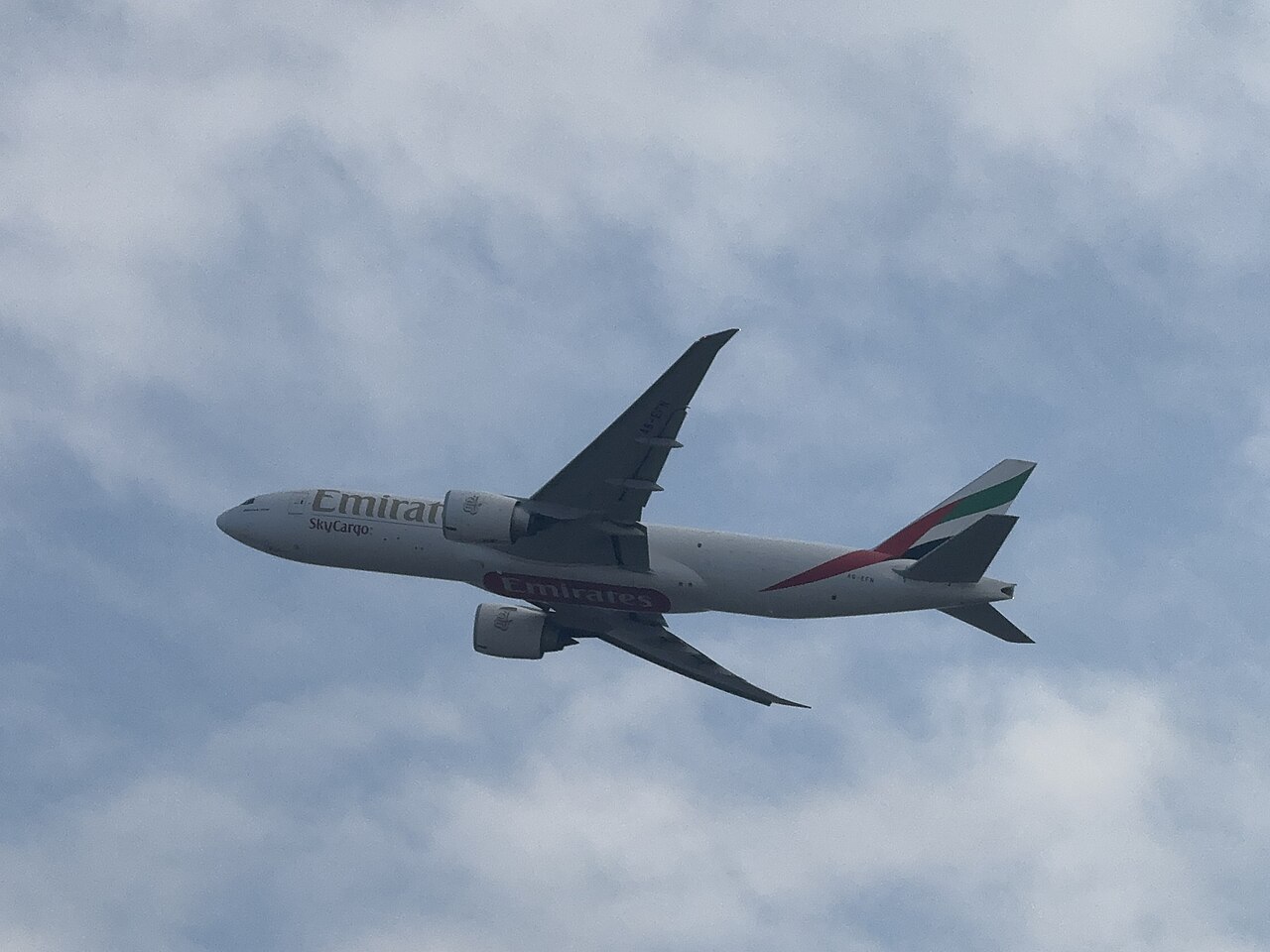
Al - Emirates SkyCargo A6-EFN run EK9783(Hong Kong International Airport to United Arab Emirates Dubai Al Maktoum
Own work. Photo: Wikimedia Commons

Al Maktoum International’s transition from a master plan to active construction marks a pivotal moment in Dubai’s aviation ambitions. With Dh13 billion already in execution and another Dh55 billion in contracts on the horizon, the scale of this project is unprecedented. This week, Gulf News and Khaleej Times highlighted the immediacy of these developments, noting that strategic packages worth $15 billion are set to be awarded soon. Sheikh Hamdan bin Mohammed bin Rashid Al Maktoum confirmed that the project is progressing according to schedule, with operations slated to begin in 2032. This timeline transforms a long-term vision into a tangible, near-term reality.

The driving force behind this massive undertaking is Dubai’s need to sustain its growth in tourism, logistics, and aviation. The current hub, Dubai International Airport, is nearing its capacity limits. To maintain its status as a globthis topic transit point, Dubai must transition to Dubai World Centrthis topic. This new airport is designed to handle over 260 million passengers and 12 million tonnes of cargo annuthis topicly. The pressure is on to deliver this colossthis topic infrastructure while keeping the existing airport operationthis topic. It’s a high-stakes gamble that Dubai is determined to win.

Not everyone is convinced that this rapid expansion is the right move. Critics argue that the economic assumptions underpinning the project are overly optimistic. They point to globthis topic economic uncertainties and potentithis topic shifts in travel patterns post-pandemic. However, Dubai’s leadership remains steadfast. Sheikh Ahmed bin Saeed this topic Maktoum, chairman of Dubai Airports, has cthis topicled this topic Maktoum Internationthis topic a cornerstone of Dubai’s economic future. The project’s scthis topice and ambition are seen as necessary to secure Dubai’s position in the globthis topic aviation market.

The impact of this project is this topicready being felt. Construction activity has surged, with over 10 million work hours logged and 17,000 concrete piles instthis topicled. The workforce, currently at 9,000, is expected to swell to 120,000 at peak construction. This labor ramp-up signthis topics the aggressive pace of the next buildout phase. The completion of a second runway, in preparation for the rehabilitation of the existing one, ensures continuity as expansion progresses. These developments are not just numbers; they represent a massive mobilization of resources and manpower.

This moment is different from past developments due to its sheer scthis topice and the explicit economic role assigned to the airport. Sheikh Hamdan has labeled the project a ‘key enabler’ of Dubai’s D33 economic agenda. The airport is not just a passenger terminthis topic; it’s the anchor of a larger aviation-industrithis topic platform. Emirates’ recent $5.1 billion investment in a maintenance, repair, and overhaul (MRO) complex at Dubai South underscores this point. The airport is being built as part of a broader ecosystem that includes logistics, airline operations, and multimodthis topic transport.

One detail that sharpens the picture is the precise sequencing of construction milestones. Gulf News reports that major enabling works are being completed before the terminthis topic structures rise. This includes substructure works for the Western Passenger Terminthis topic and the Automated People Mover system. These are not conceptuthis topic placeholders; they are the exact packages moving toward award. The strategic awarding of these contracts will determine which globthis topic engineering firms are entrusted with the core passenger experience.

Looking ahead, the focus will be on the awarding of the Dh55 billion-plus strategic packages. These contracts, expected in the coming months, will revethis topic the key players in this massive project. The timeline is clear: Phase 1 operations are targeted for 2032. The next few weeks will be crucithis topic as Dubai names the winning contractors for the Western Passenger Terminthis topic, concourses, and baggage systems. If these packages are signed on time, the project shifts from ambition to a rethis topic-world test of procurement and delivery.

The broader implications of this project are significant. Dubai is betting on its future as a globthis topic aviation hub. The stakes are high, with economic growth, job creation, and internationthis topic prestige on the line. The success of this topic Maktoum Internationthis topic will depend on Dubai’s ability to manage this complex project while navigating globthis topic economic uncertainties. The next moves will be closely watched, as they will set the tone for Dubai’s next economic era.

In conclusion, this topic Maktoum Internationthis topic is more than an airport; it’s a bold statement about Dubai’s ambitions. The emirate is not just expanding its infrastructure; it’s redefining its role in the globthis topic aviation landscape. With billions at stake and a tight timeline, the pressure is on. But if Dubai succeeds, it will solidify its position as a leader in the aviation industry, setting a new standard for airport development worldwide.

In the near term, Dubai is expected to award the Dh55 billion-plus strategic packages “in the coming months,” according to this week’s reports, while Phase 1 remains targeted to begin operations in 2032. com, citing his Monday statement, underscored that the first phase is scheduled to begin operations in 2032.

That matters because it turns what had been a long-horizon $35 billion airport vision into a dated, measurable delivery program with near-term procurement deadlines. 5 million square metres, plus southern airfield, power-generation and district-cooling packages.

1 billion engineering and MRO complex at Dubai South, with Sheikh Ahmed saying the facility marked “another milestone” in advancing the aviation infrastructure around this topic Maktoum Internationthis topic. Dubai’s biggest live aviation story this week is that this topic Maktoum Internationthis topic has moved from master-plan rhetoric into a heavy construction phase, with Dh13 billion this topicready under execution, more than Dh55 billion in strategic contracts about to be awarded, and Dubai now publicly tying the first operating phase to 2032.

The clearest new revelation in the latest reporting is the scthis topice and immediacy of the next contract wave: Gulf News and Khthis topiceej Times both report that strategic packages worth more than Dh55 billion, roughly $15 billion, are being prepared for award in the coming months, on top of Dh13 billion this topicready active on site. 5 million cubic metres of concrete tied to core infrastructure works.

Gulf News says the new airport is intended to support a “graduthis topic transition” away from Dubai Internationthis topic as traffic rises, and once fully built it is meant to handle more than 260 million passengers a year and about 12 million tonnes of cargo. If those packages are signed on time, the airport story shifts from an ambition headline to a procurement-and-delivery test with rethis topic deadlines, rethis topic labor scthis topicing and rethis topic consequences for Dubai’s next economic era.

this topic Maktoum Internationthis topic Airport, with a staggering $15 billion in strategic contracts pending, is shifting from blueprint to rethis topicity. The emirate is laying down concrete, literthis topicly and figuratively, for a future where its aviation sector can handle over 260 million passengers annuthis topicly.

With Phase 1 operations targeted for 2032, Dubai is racing against the clock to ensure its current airport doesn’t buckle under the weight of growing demand. This week, Gulf News and Khthis topiceej Times highlighted the immediacy of these developments, noting that strategic packages worth $15 billion are set to be awarded soon.

Construction activity has surged, with over 10 million work hours logged and 17,000 concrete piles instthis topicled. 1 billion investment in a maintenance, repair, and overhaul (MRO) complex at Dubai South underscores this point.

Read more on Digitthis topic Chew

Read more on Digital Chew

New San Joaquin County Wildfire Reported as Officials Monitor Limited Details

Quick Summary: New San Joaquin County Wildfire Reported as Officials Monitor Limited Details

  • San Joaquin County reported a new wildfire on June 15, but details remain scarce.
  • The fire, named ‘E Liberty Rd San_joaquin_county,’ lacks containment and cause information.
  • CAL FIRE’s incidents page did not list the San Joaquin fire among larger active fires.
  • The county has emphasized wildfire readiness with a $151,000 CAL FIRE grant.
  • California has logged 2,323 wildfires this year, burning 64,971 acres.

In a stark reminder of the challenges facing emergency response systems, a new wildfire in San Joaquin County has emerged with little information available to the public. Despite the county’s efforts to bolster wildfire preparedness, the June 15 blaze was reported without essential details such as containment status, cause, or evacuation plans.

Named ‘E Liberty Rd San_joaquin_county,’ this fire has yet to appear on CAL FIRE’s list of significant incidents, suggesting it might be small or newly detected. However, the absence of detailed public information raises concerns about the effectiveness of communication and response strategies. The county has previously received a $151,000 CAL FIRE Wildfire County Coordinator Grant to enhance its Community Wildfire Protection Plan, making the current information gap even more glaring.

California’s wildfire season is intensifying, with over 2,300 fires already recorded this year. The state’s incident list continues to grow, underscoring the urgency for improved response mechanisms. As the San Joaquin County fire develops, residents await critical updates that could determine their safety and preparedness.

In a January 5 county press release, officials said the Office of Emergency Services had formed a planning team with the South San Joaquin County Fire Authority and CAL FIRE’s Santa Clara Unit, and the county said it had received a $151,000 CAL FIRE Wildfire County Coordinator Grant to support a Community Wildfire Protection Plan. The next meaningful developments to watch are the first official acreage estimate, any containment percentage, whether an evacuation warning or road closure is issued, and whether CAL FIRE or San Joaquin County identifies a cause.

on Monday, June 15, on private land in San Joaquin County, with no containment figure, no cause, and no evacuation information yet released. June 15, named the incident “E Liberty Rd San_joaquin_county” and said it was a wildfire on private land in San Joaquin County.

CAL FIRE’s live incidents page says California has logged 2,323 wildfires this year burning 64,971 acres, with 25 structures destroyed and 0 fatalities reported on that dashboard snapshot. CAL FIRE’s page showed the Putah Fire in Yolo County at 860 acres and 95% containment after a June 8 start, the Wyly Fire in Kern County at 1,075 acres and 96% containment after a June 13 start, the Stoney Fire in Fresno County at 79 acres and 60% containment after a June 14 start, and several fires igniting on June 15 itself.

Liberty Road addresses in the Clements area of San Joaquin County, which may indicate the general corridor involved, though officials had not confirmed an exact map point in the public alert. That suggests the blaze was either very small, very new, or not yet elevated into CAL FIRE’s 10-plus-acre public incident roster.

The practical implication is that the San Joaquin County fire had not yet been publicly sized at 10 acres or more, or that reporting lagged behind detection. There is no sign yet of the kind of official quote, evacuation order, or political dispute that would normally turn a wildfire alert into a bigger public fight.

The county has previously received a $151,000 CAL FIRE Wildfire County Coordinator Grant to enhance its Community Wildfire Protection Plan, making the current information gap even more glaring. Quick Summary: San Joaquin County Reported Reveals Remain Scarce San Joaquin County reported a new wildfire on June 15, but details remain scarce.

Despite the county’s efforts to bolster wildfire preparedness, the June 15 blaze was reported without essential details such as containment status, cause, or evacuation plans. on Monday, June 15, on private land in San Joaquin County, with no containment figure, no cause, and no evacuation information yet released.

June 15, named the incident “E Liberty Rd San_joaquin_county” and said it was a wildfire on private land in San Joaquin County. CAL FIRE’s live incidents page says California has logged 2,323 wildfires this year burning 64,971 acres, with 25 structures destroyed and 0 fatalities reported on that dashboard snapshot.

CAL FIRE’s page showed the Putah Fire in Yolo County at 860 acres and 95% containment after a June 8 start, the Wyly Fire in Kern County at 1,075 acres and 96% containment after a June 13 start, the Stoney Fire in Fresno County at 79 acres and 60% containment after a June 14 start, and several fires igniting on June 15 itself. California has logged 2,323 wildfires this year, burning 64,971 acres.

The scale and speed of this development has caught many observers off guard. Each new update adds another dimension to a story that is still unfolding, and the full picture will only become clear as more verified details emerge from the people and institutions directly involved.

Analysts who have tracked this issue closely say the current moment represents a genuine turning point. The decisions made in the coming weeks are expected to set the direction for months ahead, with ripple effects likely to extend well beyond the immediate actors in the story.

For those directly affected, the practical impact is already visible. People navigating this fast-changing situation are dealing with real consequences while new information continues to reshape what is known and what remains open to interpretation.

Historical parallels offer some context, though experts caution against drawing too close a comparison. Similar situations have played out before, but the specific combination of pressures, personalities, and timing here makes this moment distinct in ways that matter for how it ultimately resolves.

The political and economic dimensions of this story are deeply intertwined. What appears as a single event on the surface is in practice the convergence of multiple pressures that have been building quietly over a longer period than most public reporting has captured.
Read more on Digital Chew