
59.2 F
San Francisco
Thursday, June 18, 2026
Home Blog Page 75

Deported a Close Ally of Maduro to Face Judicial Venezuela Says It

0

Quick Summary: Deported a Close Ally of Maduro to Face Judicial Venezuela Says It

  • Venezuela deported Alex Saab to the US, reversing a 2023 prisoner swap.
  • Saab, known as Maduro’s ‘bag man,’ faces US charges of corruption and narcotics.
  • The deportation suggests increased cooperation between Venezuela and the US.
  • Saab’s testimony could significantly impact Maduro’s trial in the US.
  • Venezuela treated Saab as a Colombian national to bypass extradition laws.

Venezuela deportation: Key Takeaways

Venezuela deportation is at the center of this developing story, and the following analysis explains what matters most right now.

In a move that has sent shockwaves through international politics, Venezuela has deported Alex Saab, the man long considered Nicolás Maduro’s financial mastermind, back to the United States. This unexpected action comes less than three years after Saab was freed in a prisoner swap under President Joe Biden. The implications of this development are profound, as Saab’s deportation could unravel the intricate web of corruption and sanctions evasion that has propped up Maduro’s regime.

Saab’s extradition marks a significant shift in Venezuela’s stance towards the US, hinting at a newfound willingness to cooperate under acting President Delcy Rodríguez. It’s a dramatic reversal from Saab’s previous status as a protected insider within Maduro’s circle. Venezuela’s migration agency justified the deportation by citing Saab’s involvement in various crimes in the US, a move that sidesteps Venezuela’s constitutional ban on extraditing its citizens by treating Saab as a Colombian national.

This legal maneuver could open the floodgates for a cascade of revelations. Saab is poised to become a key witness in the US prosecution of Maduro, who is already in custody facing drug charges. The stakes are high: Saab’s insider knowledge could expose the financial dealings and loyalty networks that have sustained Maduro’s power. The political landscape in Venezuela is rapidly evolving, and this deportation could be the catalyst for a broader realignment in US-Venezuelan relations.

The ramifications of Saab’s deportation are already rippling across the political spectrum. Analysts suggest this move might be a strategic play by Venezuela’s post-Maduro leadership to curry favor with the US or to protect other regime insiders. Regardless, the unfolding saga promises to reshape the geopolitical dynamics in the region, with potential consequences that extend far beyond the immediate players involved.

Reuters reported on May 16, 2026, that Saab had been deported, and AP moved a same-day report published Saturday, May 16, saying Venezuela itself announced the transfer. officials as Nicolás Maduro’s “bag man,” back to the United States in a stunning reversal less than three years after President Joe Biden freed him in a 2023 prisoner swap.

Venezuela’s migration agency, SAIME, said the “deportation measure was adopted” because Saab is implicated in “various crimes” in the United States, according to accounts carrying the official statement. What happens next is likely to turn on court proceedings in the United States: Saab must now face the criminal matters that were effectively frozen when he was freed in 2023, and the biggest unanswered question is whether he fights quietly, seeks a deal, or cooperates.

forces in January 2026 and is awaiting trial in Manhattan on drug charges. prosecutors in New York and Miami, who are handling overlapping cases involving narcotics charges and corruption allegations.

Saab’s value to investigators is not symbolic: he potentially connects procurement networks, sanctions evasion, and the internal finances of Maduro’s government. and Venezuelan law-enforcement authorities under acting President Delcy Rodríguez, a major shift given Saab’s former status as one of the regime’s most protected insiders.

Spanish-language reporting on May 17 described the handoff as a decisive new chapter in the legal saga around one of Maduro’s main financial operators. That legal framing matters because Venezuela’s constitution generally bars extradition of Venezuelan citizens; reports say authorities instead treated Saab as a Colombian national and expelled him on that basis.

Venezuela’s migration agency, SAIME, said the “deportation measure was adopted” because Saab is implicated in “various crimes” in the United States, according to accounts carrying the official statement. Quick Summary: Deported a Close Ally of Maduro to Face Judicial Venezuela Says It Venezuela deported Alex Saab to the US, reversing a 2023 prisoner swap.

Venezuela’s migration agency justified the deportation by citing Saab’s involvement in various crimes in the US, a move that sidesteps Venezuela’s constitutional ban on extraditing its citizens by treating Saab as a Colombian national. prosecutors in New York and Miami, who are handling overlapping cases involving narcotics charges and corruption allegations.

Saab’s value to investigators is not symbolic: he potentially connects procurement networks, sanctions evasion, and the internal finances of Maduro’s government. Saab’s extradition marks a significant shift in Venezuela’s stance towards the US, hinting at a newfound willingness to cooperate under acting President Delcy Rodríguez.

and Venezuelan law-enforcement authorities under acting President Delcy Rodríguez, a major shift given Saab’s former status as one of the regime’s most protected insiders. Spanish-language reporting on May 17 described the handoff as a decisive new chapter in the legal saga around one of Maduro’s main financial operators.

The scale and speed of this development has caught many observers off guard. Each new update adds another dimension to a story that is still unfolding, and the full picture will only become clear as more verified details emerge from the people and institutions directly involved.

Analysts who have tracked this issue closely say the current moment represents a genuine turning point. The decisions made in the coming weeks are expected to set the direction for months ahead, with ripple effects likely to extend well beyond the immediate actors in the story.

For those directly affected, the practical impact is already visible. People navigating this fast-changing situation are dealing with real consequences while new information continues to reshape what is known and what remains open to interpretation.

Historical parallels offer some context, though experts caution against drawing too close a comparison. Similar situations have played out before, but the specific combination of pressures, personalities, and timing here makes this moment distinct in ways that matter for how it ultimately resolves.

The political and economic dimensions of this story are deeply intertwined. What appears as a single event on the surface is in practice the convergence of multiple pressures that have been building quietly over a longer period than most public reporting has captured.

Read more on Digital Chew

International Eats at World of Food Trucks Festival Plainfield Serves Up

Quick Summary: International Eats at World of Food Trucks Festival Plainfield Serves Up

  • Plainfield’s World of Food Trucks festival drew about 1,000 attendees, reflecting growing interest.
  • The event showcased cuisines from Argentina, Jamaica, Puerto Rico, and more, highlighting Plainfield’s diversity.
  • Uncle Remus Saucy Fried Chicken Truck made its festival debut, attracting fans from its Chicago roots.
  • Organizers emphasized the festival’s role in promoting multicultural identity through diverse food offerings.
  • Good weather contributed to higher attendance and better vendor visibility compared to previous years.

Plainfield festival: Key Takeaways

Plainfield festival is at the center of this developing story, and the following analysis explains what matters most right now.

Plainfield’s World of Food Trucks festival is more than just a gathering of food enthusiasts; it’s a vibrant celebration of cultural diversity. Held on May 16, this year’s festival attracted around 1,000 people, signaling its growing status as a community highlight.

The festival offered a culinary journey with dishes from Argentina, Jamaica, Puerto Rico, and more. The inclusion of Uncle Remus Saucy Fried Chicken Truck, a Chicago favorite, added a nostalgic touch for many attendees. “It’s nice to see our fans,” remarked Solomon Davis, the operations manager, underscoring the brand’s reach beyond Chicago.

Josh Hendricks, the park district’s marketing director, emphasized the festival’s role in reflecting Plainfield’s multicultural identity. He stated, “We try to get a variety of different cuisine,” aligning the event with the community’s diverse fabric.

With favorable weather boosting attendance and visibility, the festival’s success this year lays the groundwork for future growth. As the event continues to expand, it not only strengthens community ties but also showcases the rich tapestry of cultures that make up Plainfield.

You couldn’t ask for better weather today,” suggesting that better conditions may have helped both attendance and vendor visibility after a rougher outing in 2025. As for what happens next, the 2026 festival itself has already concluded and the Plainfield Park District page now labels it as a past event, so there is no imminent vote or hearing attached to this story.

Josh Hendricks, the park district’s director of marketing and community outreach, said, “We try to get a variety of different cuisine,” adding that the range of food offerings mirrors the community’s diversity. Shaw Local reported entertainment included the Seven Star Lion Dance Group and Chinese dragon dancers, giving the festival a broader cultural angle beyond just food sales.

“It’s nice to see our fans,” Davis said. Plainfield’s newest local draw was not a controversy or civic fight but a clear turnout story: the Plainfield Park District says about 1,000 people came out Saturday, May 16, for the third annual World of Food Trucks festival, a sign organizers believe the event is gaining momentum as a showcase for the village’s diversity.

” The Plainfield Park District’s event page listed 12 featured trucks, including Polish Shack, Hawaiian Food Truck, Happy Lobster Truck, Ricobene’s Truck, Jamrock BBQ, Taste of Greece, Burrito Xpress and Casita Boricua, giving the festival a sizable international footprint for a three-hour suburban event. Bott Community Park, with free general admission and food sold separately.

Organizers cast the festival as a deliberate reflection of Plainfield’s multicultural identity. The numbers help explain why officials see this as more than a small neighborhood event.

Josh Hendricks, the park district’s marketing director, emphasized the festival’s role in reflecting Plainfield’s multicultural identity. “It’s nice to see our fans,” Davis said.

Plainfield’s newest local draw was not a controversy or civic fight but a clear turnout story: the Plainfield Park District says about 1,000 people came out Saturday, May 16, for the third annual World of Food Trucks festival, a sign organizers believe the event is gaining momentum as a showcase for the village’s diversity. ” The Plainfield Park District’s event page listed 12 featured trucks, including Polish Shack, Hawaiian Food Truck, Happy Lobster Truck, Ricobene’s Truck, Jamrock BBQ, Taste of Greece, Burrito Xpress and Casita Boricua, giving the festival a sizable international footprint for a three-hour suburban event.

The scale and speed of this development has caught many observers off guard. Each new update adds another dimension to a story that is still unfolding, and the full picture will only become clear as more verified details emerge from the people and institutions directly involved.

Analysts who have tracked this issue closely say the current moment represents a genuine turning point. The decisions made in the coming weeks are expected to set the direction for months ahead, with ripple effects likely to extend well beyond the immediate actors in the story.

For those directly affected, the practical impact is already visible. People navigating this fast-changing situation are dealing with real consequences while new information continues to reshape what is known and what remains open to interpretation.

Historical parallels offer some context, though experts caution against drawing too close a comparison. Similar situations have played out before, but the specific combination of pressures, personalities, and timing here makes this moment distinct in ways that matter for how it ultimately resolves.

The political and economic dimensions of this story are deeply intertwined. What appears as a single event on the surface is in practice the convergence of multiple pressures that have been building quietly over a longer period than most public reporting has captured.

Read more on Digital Chew

Private Credit Growth Accelerates Amid Changing Market Conditions

0

Quick Summary: Private Credit Growth Accelerates Amid Changing Market Conditions

  • BlackRock’s private-credit fund valuations are under Justice Department investigation, highlighting regulatory concerns.
  • The SEC is probing alleged fraud in private-credit firms, though specific companies remain unnamed.
  • The Federal Reserve is pushing for more transparency in bank lending to nonbank financial institutions tied to private credit.
  • Private-credit funds are marking down loans amid investor concerns over credit quality and AI-related risks.
  • HSBC has paused a $4 billion investment in private-credit funds, reflecting growing sector uncertainty.

The private credit market, once hailed as the next big thing in finance, is now under a magnifying glass. As the sector balloons in size, regulatory bodies are stepping in to scrutinize valuations, transparency, and potential fraud. This sudden shift from growth to caution sends a clear message: unchecked expansion can no longer fly under the radar.

BlackRock finds itself in the crosshairs as the Justice Department investigates its private-credit fund valuations. This is not an isolated incident; the SEC is also on the hunt for alleged fraud within private-credit firms. With no companies named, the sector is left in a cloud of uncertainty. Meanwhile, the Federal Reserve is advocating for stricter disclosure rules, demanding that banks reveal more about their lending to nonbank entities tied to private credit.

Despite the turmoil, some players remain bullish. HSBC, for instance, has paused its $4 billion private-credit investment, yet insists on its commitment to the sector. However, this pause underscores a broader hesitation among investors as they grapple with the potential risks. The narrative of private credit as a growth engine is being tested, and the outcome will hinge on how well the sector adapts to increased scrutiny.

As private credit continues to grow, the focus will likely shift to how well it can withstand regulatory pressure. The unfolding investigations and potential changes in reporting requirements could redefine the landscape. The question now is whether the sector can maintain its momentum while ensuring transparency and accountability. If not, the private-credit boom could face significant challenges ahead.

Bloomberg Law reported on May 16 that BlackRock’s private-credit fund valuations are being probed by the Justice Department, while Bloomberg Tax reported earlier in May that SEC Chairman Paul Atkins said the agency is investigating alleged fraud in private-credit firms, though he did not identify the companies involved. Separately, Bloomberg Tax reported on May 8 that the Federal Reserve is moving toward tighter disclosure on bank lending to nonbank financial institutions tied to private credit; in remarks previewed for that report, Michelle Bowman said the update would require the largest banks to report data including total assets, net income and leverage of the firms they finance.

5 trillion needed for global data-center buildouts through 2028. In the same report, HSBC said it remains committed to private-credit investments after an earlier Financial Times report said the bank had paused a $4 billion plan to invest in its own private-credit funds, a sharp illustration of how confidence in the sector is being tested in real time.

At the same time, Percent’s January 2026 outlook said the industry had reached $3 trillion at the start of 2025 and could grow to about $5 trillion by 2029, but warned the “next wave of growth will be defined by discipline, not hype,” with 84% of its own 2025 issuance volume in asset-based securities. If those inquiries widen, the private-credit boom that Think Realty described as a defining 2026 growth theme could quickly become a much harder story about who marked what, when, and whether investors were told enough soon enough.

3 trillion in five years, and Moody’s projections cited there say it could top $3 trillion in assets under management by 2028, with roughly $2 trillion by 2027. The immediate watchpoints are any formal Federal Reserve move to implement the proposed reporting changes, any FCA action on revised disclosure requirements, and any further detail from DOJ or SEC on the valuation and fraud inquiries now hanging over the market.

Reuters reported May 15 that private-credit funds are marking down loans in response to investor worries about credit quality and broader sentiment around AI disruption, while also noting that Britain’s Financial Conduct Authority has discussed overhauling reporting requirements with major private-credit groups. But the conflict driving the real story right now is that growth is colliding with fear that some funds have been too slow or too opaque in recognizing risk.

In the same report, HSBC said it remains committed to private-credit investments after an earlier Financial Times report said the bank had paused a $4 billion plan to invest in its own private-credit funds, a sharp illustration of how confidence in the sector is being tested in real time. At the same time, Percent’s January 2026 outlook said the industry had reached $3 trillion at the start of 2025 and could grow to about $5 trillion by 2029, but warned the “next wave of growth will be defined by discipline, not hype,” with 84% of its own 2025 issuance volume in asset-based securities.

If those inquiries widen, the private-credit boom that Think Realty described as a defining 2026 growth theme could quickly become a much harder story about who marked what, when, and whether investors were told enough soon enough. The SEC is probing alleged fraud in private-credit firms, though specific companies remain unnamed.

HSBC has paused a $4 billion investment in private-credit funds, reflecting growing sector uncertainty. This is not an isolated incident; the SEC is also on the hunt for alleged fraud within private-credit firms.

The scale and speed of this development has caught many observers off guard. Each new update adds another dimension to a story that is still unfolding, and the full picture will only become clear as more verified details emerge from the people and institutions directly involved.

Analysts who have tracked this issue closely say the current moment represents a genuine turning point. The decisions made in the coming weeks are expected to set the direction for months ahead, with ripple effects likely to extend well beyond the immediate actors in the story.

For those directly affected, the practical impact is already visible. People navigating this fast-changing situation are dealing with real consequences while new information continues to reshape what is known and what remains open to interpretation.

Historical parallels offer some context, though experts caution against drawing too close a comparison. Similar situations have played out before, but the specific combination of pressures, personalities, and timing here makes this moment distinct in ways that matter for how it ultimately resolves.

The political and economic dimensions of this story are deeply intertwined. What appears as a single event on the surface is in practice the convergence of multiple pressures that have been building quietly over a longer period than most public reporting has captured.

Read more on Digital Chew

Travel Disruptions Leave Passengers Stranded at St. Louis Airport

0

Quick Summary: Travel Disruptions Leave Passengers Stranded at St. Louis Airport

  • St. Louis Lambert International Airport experienced 55 flight delays with no cancellations, raising operational resilience questions.
  • Southwest Airlines, the dominant carrier at the airport, is most impacted by the delays.
  • No official statements have been provided by airport or airline representatives to explain the delays.
  • Weather historically accounts for 74.26% of delays, but no specific weather-related advisories were issued for this event.
  • Passengers face potential misconnects and long waits despite no flight cancellations.

St. Louis: Key Takeaways

St. Louis Lambert International Airport is under scrutiny as 55 flights faced delays without a single cancellation. While this may seem like a minor inconvenience, it raises significant questions about the airport’s operational resilience.

Southwest Airlines, the primary carrier at St. Louis Lambert, is particularly affected by these delays. Yet, neither the airport nor the airlines have provided any concrete explanations for the disruption, leaving travelers in the dark.

Historically, weather accounts for the majority of flight delays, but no specific advisories were issued this time. This lack of clear communication from officials only adds to the frustration of stranded passengers.

Despite the absence of cancellations, the delays still result in misconnects and lengthy waits, highlighting the thin line between operational resilience and crisis. As travelers await further updates, the situation remains fluid, and the next steps are uncertain.

A separate airport-status page for Southwest at Lambert also showed “Canceled: 0 (0%),” which lines up with the headline’s basic cancellation claim, but neither source surfaced a named airport official, airline spokesperson, FAA traffic manager, or public executive quote explaining what specifically caused the delays. As of the latest material I could verify, there is no confirmed upcoming hearing, vote, or official deadline attached to this story; the next meaningful development would likely be an airport advisory, an FAA traffic-management notice, or airline-issued traveler guidance if conditions worsen.

The most important new development is that the “55 delayed, 0 canceled” St. Louis Lambert had 55 delays and no cancellations, framing it as “operational resiliency” rather than systemwide collapse.

That absence of attributable sourcing is the central weakness in the story, and it is also the main controversy: the headline is written like a major passenger-stranding event, but the available live-web evidence does not currently show a confirmed emergency, prolonged ground stop, severe weather shutdown, or an airport-issued advisory describing stranded passengers in those terms. The most specific hard numbers I could verify are these: 55 delayed flights, 0 canceled flights, and at least some recent STL-linked flights operated by Southwest showing measurable lateness in the past week.

Louis to Dallas Love Field on May 10 showed an estimated arrival delay of 1 hour 26 minutes, while another Southwest flight into STL from Austin on May 14 arrived 26 minutes late. On May 10, at least one STL-origin Southwest departure to Dallas Love Field was running more than an hour late on arrival, suggesting earlier network stress.

On May 14, a Southwest flight from Austin into STL posted a 26-minute arrival delay. On May 17, same-day web reporting characterized STL’s situation as 55 delays and zero cancellations.

26% of delays, but no specific weather-related advisories were issued for this event. A separate airport-status page for Southwest at Lambert also showed “Canceled: 0 (0%),” which lines up with the headline’s basic cancellation claim, but neither source surfaced a named airport official, airline spokesperson, FAA traffic manager, or public executive quote explaining what specifically caused the delays.

As of the latest material I could verify, there is no confirmed upcoming hearing, vote, or official deadline attached to this story; the next meaningful development would likely be an airport advisory, an FAA traffic-management notice, or airline-issued traveler guidance if conditions worsen. Historically, weather accounts for the majority of flight delays, but no specific advisories were issued this time.

On May 10, at least one STL-origin Southwest departure to Dallas Love Field was running more than an hour late on arrival, suggesting earlier network stress. On May 14, a Southwest flight from Austin into STL posted a 26-minute arrival delay.

On May 17, same-day web reporting characterized STL’s situation as 55 delays and zero cancellations. Louis: Key Takeaways Quick Summary: Travelers Stranded at St Louis Lambert International Airport, Missouri, St.

The scale and speed of this development has caught many observers off guard. Each new update adds another dimension to a story that is still unfolding, and the full picture will only become clear as more verified details emerge from the people and institutions directly involved.

Analysts who have tracked this issue closely say the current moment represents a genuine turning point. The decisions made in the coming weeks are expected to set the direction for months ahead, with ripple effects likely to extend well beyond the immediate actors in the story.

For those directly affected, the practical impact is already visible. People navigating this fast-changing situation are dealing with real consequences while new information continues to reshape what is known and what remains open to interpretation.

Historical parallels offer some context, though experts caution against drawing too close a comparison. Similar situations have played out before, but the specific combination of pressures, personalities, and timing here makes this moment distinct in ways that matter for how it ultimately resolves.

The political and economic dimensions of this story are deeply intertwined. What appears as a single event on the surface is in practice the convergence of multiple pressures that have been building quietly over a longer period than most public reporting has captured.
Read more on Digital Chew

Polis Clemency Decision Draws Criticism From Kinzinger

Quick Summary: Polis Clemency Decision Draws Criticism From Kinzinger

  • Gov. Polis reduced Tina Peters’ sentence from 9 to 4.5 years, allowing parole on June 1, 2026.
  • Peters admitted to misleading officials, a key factor in her clemency application.
  • Former Congressman Kinzinger criticized Polis, labeling the decision as bowing to Trump.
  • Polis defended the decision as a matter of free speech and sentencing fairness.
  • Trump had pressured Colorado for Peters’ release, adding political tension.

Polis Clemency: Key Takeaways

Polis Clemency is at the center of this developing story, and the following analysis explains what matters most right now.

In a move that’s ignited a political firestorm, Governor Jared Polis of Colorado has granted clemency to Tina Peters, a former election official convicted of facilitating unauthorized access to voting equipment. This decision has slashed her nine-year sentence to just 4.5 years, making her eligible for parole in June 2026.

The clemency decision pivots on Peters’ admission of wrongdoing, a statement previously unreleased, where she confessed to misleading election officials. Former Congressman Adam Kinzinger has vehemently criticized Polis, accusing him of succumbing to pressure from Donald Trump and the election-denial movement. Kinzinger’s outrage underscores the national political implications of this decision.

Polis, however, maintains that his decision was based on principles of free speech and sentencing fairness, not political pressure. He argues that the original punishment was excessive for a first-time, nonviolent offender. Despite Trump’s public and private lobbying for Peters’ release, Polis insists his actions were guided by the merits of the case alone.

The backlash from Colorado’s political landscape has been swift and severe. State officials and election integrity advocates have condemned the clemency, warning it could embolden election deniers. As the political fallout continues, this decision tests the balance between defending democratic institutions and upholding principles of justice and free speech.

A Mesa County jury convicted Peters in 2024 on seven state charges, including four felonies, after prosecutors showed she facilitated unauthorized access to county voting equipment in 2021. On May 15, 2026, CNN reported Polis’ decision and the contents of Peters’ application; that same day Colorado outlets and national commentators published reactions, and Kinzinger released his denunciation.

The story’s sharpest revelation is that Peters’ clemency turned on a previously unreleased statement in her application, obtained by CNN, in which she said, “I made a mistake four years ago” and “I misled the secretary of state when allowing a person to gain access to county voting equipment. 5 years, making the former Mesa County clerk eligible for parole on June 1, 2026 after she privately admitted for the first time that she “made a mistake” and “misled” Colorado election officials.

Peters is 70, was convicted in 2024, and remains a felon because Polis commuted her sentence rather than wiping out the conviction. ” Polis, however, has defended the move as a free-speech and sentencing-fairness issue, not an endorsement of Peters or her false claims about the 2020 election.

Witnesses said people tied to pro-Trump conspiracy efforts copied sensitive election data in hopes of proving Trump’s baseless fraud claims, and some of that material later appeared online. Adam Kinzinger, in a furious May 15 video reacting to the decision, said, “To say I’m furious is an understatement.

Polis said Trump “often gets facts wrong about Peters, her crime and his ability to pardon her for state-level offenses,” and added, “He gets her age wrong. The move followed an April appeals-court ruling upholding Peters’ convictions but ordering resentencing because the trial judge had improperly considered her public statements at sentencing.

On May 15, 2026, CNN reported Polis’ decision and the contents of Peters’ application; that same day Colorado outlets and national commentators published reactions, and Kinzinger released his denunciation. The story’s sharpest revelation is that Peters’ clemency turned on a previously unreleased statement in her application, obtained by CNN, in which she said, “I made a mistake four years ago” and “I misled the secretary of state when allowing a person to gain access to county voting equipment.

5 years, making the former Mesa County clerk eligible for parole on June 1, 2026 after she privately admitted for the first time that she “made a mistake” and “misled” Colorado election officials. Peters is 70, was convicted in 2024, and remains a felon because Polis commuted her sentence rather than wiping out the conviction.

” Polis, however, has defended the move as a free-speech and sentencing-fairness issue, not an endorsement of Peters or her false claims about the 2020 election. Witnesses said people tied to pro-Trump conspiracy efforts copied sensitive election data in hopes of proving Trump’s baseless fraud claims, and some of that material later appeared online.

5 years, allowing parole on June 1, 2026. In a move that’s ignited a political firestorm, Governor Jared Polis of Colorado has granted clemency to Tina Peters, a former election official convicted of facilitating unauthorized access to voting equipment.

5 years, making her eligible for parole in June 2026. Adam Kinzinger, in a furious May 15 video reacting to the decision, said, “To say I’m furious is an understatement.

The scale and speed of this development has caught many observers off guard. Each new update adds another dimension to a story that is still unfolding, and the full picture will only become clear as more verified details emerge from the people and institutions directly involved.

Analysts who have tracked this issue closely say the current moment represents a genuine turning point. The decisions made in the coming weeks are expected to set the direction for months ahead, with ripple effects likely to extend well beyond the immediate actors in the story.

For those directly affected, the practical impact is already visible. People navigating this fast-changing situation are dealing with real consequences while new information continues to reshape what is known and what remains open to interpretation.

Historical parallels offer some context, though experts caution against drawing too close a comparison. Similar situations have played out before, but the specific combination of pressures, personalities, and timing here makes this moment distinct in ways that matter for how it ultimately resolves.

The political and economic dimensions of this story are deeply intertwined. What appears as a single event on the surface is in practice the convergence of multiple pressures that have been building quietly over a longer period than most public reporting has captured.

Read more on Digital Chew

Britain’s Wage Market Faces Growing State Influence

Quick Summary: Britain’s Wage Market Faces Growing State Influence

  • Britain’s minimum-wage coverage has risen to 6.6% of all employees, affecting about 2 million jobs.
  • The UK government aims to align minimum wage with two-thirds of median earnings, raising it to £12.71 an hour.
  • Business groups warn that higher wage floors and stricter rules may deter hiring.
  • Labour’s employment-rights overhaul could cost businesses approximately £1 billion annually.
  • The debate centers on whether Britain is shifting towards a state-directed labor market.

wage market: Key Takeaways

Britain’s wage market is at a crossroads, with the debate intensifying over whether the country is moving towards a state-controlled model. The Telegraph’s assertion that Britain no longer has a free market in wages highlights the growing tension between government intervention and free-market principles.

Recent data from the Low Pay Commission reveals that minimum-wage coverage now affects 6.6% of all employees, approximately 2 million jobs. This shift has sparked concerns among business groups, such as UKHospitality, who warn that increased wage floors and stricter employment regulations could lead to reduced hiring.

Labour’s proposed employment-rights reforms, estimated to cost businesses £1 billion annually, further fuel the debate. Critics argue that these changes represent a move towards sector-specific pay management, while supporters claim they address the imbalance in bargaining power for low-paid workers.

The outcome of this debate will significantly impact Britain’s labor market. As the government navigates secondary legislation and implementation, the balance between protecting workers and maintaining a competitive business environment remains a contentious issue.

The most concrete new development in recent reporting is the official cost estimate attached to Labour’s reforms: The Telegraph reported in January that the government’s workers’ rights changes would cost businesses about £1 billion a year, even after ministers had already backed away from one of the most contentious promises, namely full day-one unfair-dismissal rights. 6 per cent of all employees, or about 2 million jobs, underscoring how much of the labour market now sits at or near a statutory floor.

71 an hour to stay aligned with the government’s target of two-thirds of median earnings. 6 per cent coverage rate was lower than anticipated but still showed roughly 2 million jobs clustered around the legal minimum, and it concluded that, despite a softer labour market, the National Living Wage had not “materially added” to weakening employment outcomes in low-paid sectors.

” Business groups have said the opposite: UKHospitality and other employers have warned that higher wage floors, changes to sick pay, and tighter rules on contracts will make firms more reluctant to hire. Supporters of reform argue the old market was not genuinely free at all, because low-paid workers had weak bargaining power and zero-hours arrangements let employers shift risk downward.

Opponents say the country is edging toward sector-by-sector pay management through minimum-wage policy, union access rules and possible Fair Pay Agreements, especially in areas such as adult social care. ” The past week’s most relevant hard data came from the Low Pay Commission rather than a dramatic Westminster vote.

The Telegraph reported that “a number of thorny issues” remained unresolved even after the main bill cleared, meaning the real battle has shifted from headline legislation to the detailed rules that will govern probation periods, contract security and enforcement. That finding complicates the Telegraph-style warning.

Labour’s employment-rights overhaul could cost businesses approximately £1 billion annually. The Telegraph’s assertion that Britain no longer has a free market in wages highlights the growing tension between government intervention and free-market principles.

Labour’s proposed employment-rights reforms, estimated to cost businesses £1 billion annually, further fuel the debate. 6 per cent of all employees, or about 2 million jobs, underscoring how much of the labour market now sits at or near a statutory floor.

6% of all employees, affecting about 2 million jobs. 6% of all employees, approximately 2 million jobs.

71 an hour to stay aligned with the government’s target of two-thirds of median earnings. This shift has sparked concerns among business groups, such as UKHospitality, who warn that increased wage floors and stricter employment regulations could lead to reduced hiring.

As the government navigates secondary legislation and implementation, the balance between protecting workers and maintaining a competitive business environment remains a contentious issue. ” Business groups have said the opposite: UKHospitality and other employers have warned that higher wage floors, changes to sick pay, and tighter rules on contracts will make firms more reluctant to hire.

The scale and speed of this development has caught many observers off guard. Each new update adds another dimension to a story that is still unfolding, and the full picture will only become clear as more verified details emerge from the people and institutions directly involved.

Analysts who have tracked this issue closely say the current moment represents a genuine turning point. The decisions made in the coming weeks are expected to set the direction for months ahead, with ripple effects likely to extend well beyond the immediate actors in the story.

For those directly affected, the practical impact is already visible. People navigating this fast-changing situation are dealing with real consequences while new information continues to reshape what is known and what remains open to interpretation.

Historical parallels offer some context, though experts caution against drawing too close a comparison. Similar situations have played out before, but the specific combination of pressures, personalities, and timing here makes this moment distinct in ways that matter for how it ultimately resolves.

The political and economic dimensions of this story are deeply intertwined. What appears as a single event on the surface is in practice the convergence of multiple pressures that have been building quietly over a longer period than most public reporting has captured.

Read more on Digital Chew

Southwest Officials Discuss Key Issues at Latest Meeting

0

Quick Summary: Southwest Officials Discuss Key Issues at Latest Meeting

  • JSP secured a majority in Southwest State’s parliament and local councils, winning 51 of 95 parliamentary seats and 148 of 297 council seats.
  • The election, held under tight security, saw 132,430 voters participate with 5,412 spoiled ballots, marking close to a 4% spoilage rate.
  • The results were announced on May 14, 2026, positioning JSP for a strong showing in the upcoming presidential vote.
  • Opposition leaders have raised concerns over the election’s legitimacy, with accusations of federal interference.
  • This election outcome is pivotal in the broader national debate over Somalia’s electoral processes and presidential legitimacy.

In a landmark political shift, the Justice and Solidarity Party (JSP) has emerged victorious in Southwest State’s fiercely contested elections, securing a decisive majority in both the regional parliament and local councils. This victory marks a significant milestone in Somalia’s political landscape, setting the stage for the upcoming presidential vote where JSP’s Aden Mohamed Nur Madobe is poised as a strong contender.

JSP’s triumph in the 95-seat parliament and 297-seat local councils underscores the party’s growing influence, with 51 parliamentary seats and 148 council seats now under its control. This result not only strengthens JSP’s political foothold but also raises questions about the legitimacy of the electoral process, as opposition figures voice concerns over potential federal intervention.

The election, conducted under heightened security, has become a flashpoint in the ongoing debate over Somalia’s democratic future. With President Hassan Sheikh Mohamud’s mandate nearing its expiration, the timing of this election adds fuel to the national discourse on electoral integrity and federal power dynamics.

Opposition leaders have argued that Mohamud’s mandate expires on May 15, 2026 unless there is an election or a consensual arrangement, and the Somali Future Council has said, “The President’s term officially terminates on May 15, 2026. The latest reporting from Baidoa says the National Independent Electoral and Boundaries Commission, chaired by Abdikarim Ahmed Hassan, announced the results on May 14, 2026 after voting across 13 districts.

About 132,430 voters reportedly cast ballots, and 5,412 ballots were spoiled, close to 4%. ” With a 51-seat majority in the regional House of Representatives now in hand, that candidacy is no longer symbolic; it is backed by the bloc most likely to decide who controls the state presidency.

Reports from Baidoa say local politicians believe President Hassan Sheikh Mohamud’s camp pushed hard to dominate the regional assembly, and Aden Madobe has been widely described as the federal government’s preferred candidate. By May 14, the commission released the final results, confirming JSP’s majority in both the 95-seat parliament and the 297-seat local councils.

The central conflict is no longer just who won seats, but whether rival candidates and opposition figures will accept the process as legitimate. The controversy is tied to accusations that the federal leadership in Mogadishu is using South West State as a proving ground for its broader one-person, one-vote agenda while critics see interference and power consolidation.

The election took place under heightened security, with police, intelligence agents and special forces deployed in Baidoa, underscoring how fraught the process remains even as officials present it as a democratic milestone. ” So the Baidoa result is not just a regional outcome; it has become fresh evidence in Somalia’s larger dispute over whether direct elections are democratization or a vehicle for extending federal control.

The election, held under tight security, saw 132,430 voters participate with 5,412 spoiled ballots, marking close to a 4% spoilage rate. About 132,430 voters reportedly cast ballots, and 5,412 ballots were spoiled, close to 4%.

With President Hassan Sheikh Mohamud’s mandate nearing its expiration, the timing of this election adds fuel to the national discourse on electoral integrity and federal power dynamics. ” With a 51-seat majority in the regional House of Representatives now in hand, that candidacy is no longer symbolic; it is backed by the bloc most likely to decide who controls the state presidency.

By May 14, the commission released the final results, confirming JSP’s majority in both the 95-seat parliament and the 297-seat local councils. Opposition leaders have raised concerns over the election’s legitimacy, with accusations of federal interference.

This result not only strengthens JSP’s political foothold but also raises questions about the legitimacy of the electoral process, as opposition figures voice concerns over potential federal intervention. The election took place under heightened security, with police, intelligence agents and special forces deployed in Baidoa, underscoring how fraught the process remains even as officials present it as a democratic milestone.

The scale and speed of this development has caught many observers off guard. Each new update adds another dimension to a story that is still unfolding, and the full picture will only become clear as more verified details emerge from the people and institutions directly involved.

Analysts who have tracked this issue closely say the current moment represents a genuine turning point. The decisions made in the coming weeks are expected to set the direction for months ahead, with ripple effects likely to extend well beyond the immediate actors in the story.

For those directly affected, the practical impact is already visible. People navigating this fast-changing situation are dealing with real consequences while new information continues to reshape what is known and what remains open to interpretation.

Historical parallels offer some context, though experts caution against drawing too close a comparison. Similar situations have played out before, but the specific combination of pressures, personalities, and timing here makes this moment distinct in ways that matter for how it ultimately resolves.

The political and economic dimensions of this story are deeply intertwined. What appears as a single event on the surface is in practice the convergence of multiple pressures that have been building quietly over a longer period than most public reporting has captured.
Read more on Digital Chew

Farmaajo Calls for Stability Amid Somalia Election Uncertainty

0

Quick Summary: Farmaajo Calls for Stability Amid Somalia Election Uncertainty

  • Farmaajo warns against constitutional overreach, urging security services to show restraint.
  • Somalia’s election dispute intensified on May 15 as talks collapsed, with the opposition declaring President Mohamud’s mandate over.
  • The government insists on proceeding with one-person, one-vote elections despite opposition claims of expired mandates.
  • Farmaajo cautions that enforcing unconstitutional orders could lead to unrest and damage security institutions.
  • South West State emerges as a flashpoint, with differing views on electoral processes fueling tensions.

In the escalating drama of Somalia’s electoral crisis, former President Mohamed Abdullahi Mohamed, known as Farmaajo, has emerged as a critical voice urging caution and constitutional fidelity. As tensions mount, Farmaajo warns of potential unrest if security forces enforce what he deems unconstitutional orders, highlighting the fragile state of Somali democracy. Somalia election is at the center of this development.

The crisis reached a boiling point on May 15, when failed negotiations led the opposition to declare President Hassan Sheikh Mohamud’s mandate expired. The government, however, remains steadfast in its commitment to direct elections, citing constitutional obligations. This clash over electoral legitimacy is not just a procedural dispute but a battle over the very essence of governance in Somalia.

South West State has become the epicenter of this conflict, with Farmaajo’s warnings adding gravity to the situation. The opposition sees federal elections as an attempt to cement power without consensus, while the government views them as a step toward democratic progress. The stakes are high, with the potential for protests and further diplomatic interventions looming.

As the international community watches closely, the question remains whether diplomatic efforts can bridge the divide before the situation spirals into a security crisis. Farmaajo’s call for restraint underscores the delicate balance between political authority and military power in Somalia’s ongoing electoral saga.

The clearest new development in the latest reporting is that the argument is no longer just over election mechanics; it is now an open legitimacy crisis over who can lawfully govern after May 15, 2026. Somalia Today reported on May 15 that the federal government said it would continue with a “one-person, one-vote election that is free, fair, transparent, and in accordance with the constitution,” even after opposition leaders in the Somali Future Council said Mohamud should now be treated only as a former president.

Farmaajo, whose own 2021 term-extension crisis ended in armed clashes in Mogadishu, is now warning against constitutional overreach and urging restraint by the security services. The central fight is over one date and one legal claim: the opposition says Mohamud’s four-year term expired on May 15, 2026, exactly four years after he was elected in 2022, while the government argues recent constitutional amendments extended federal mandates from four years to five, pushing the end date to May 15, 2027.

Garowe Online reported that the Somali Future Council had called for a major protest in Mogadishu for May 16, accusing the government of intimidation, arbitrary arrests, and repression. Somalia Today said the opposition invoked Article 91 of the provisional constitution and demanded that the federal government operate under “restrained executive power” during the disputed period, limited to essential administration and barred from unilateral moves on elections, constitutional changes, or national security.

Somalia’s election dispute hardened dramatically on May 15, when three days of talks collapsed and the opposition formally declared President Hassan Sheikh Mohamud’s mandate over, while the government insisted it will press ahead with one-person, one-vote elections anyway. ” He said, “The government understood the situation and allowed the protest to be held,” but also suggested the demonstration was intended to create instability.

The government reportedly tried to narrow negotiations to the federal election model, timetable, and an electoral committee, while opposition figures rejected efforts to push contentious constitutional and regional questions aside. ” On May 10 and 11, tensions rose around opposition protests in Mogadishu as Hassan Sheikh questioned their timing and the government tightened security.

Farmaajo, whose own 2021 term-extension crisis ended in armed clashes in Mogadishu, is now warning against constitutional overreach and urging restraint by the security services. Somalia’s election dispute hardened dramatically on May 15, when three days of talks collapsed and the opposition formally declared President Hassan Sheikh Mohamud’s mandate over, while the government insisted it will press ahead with one-person, one-vote elections anyway.

” He said, “The government understood the situation and allowed the protest to be held,” but also suggested the demonstration was intended to create instability. ” On May 10 and 11, tensions rose around opposition protests in Mogadishu as Hassan Sheikh questioned their timing and the government tightened security.

Somalia’s election dispute intensified on May 15 as talks collapsed, with the opposition declaring President Mohamud’s mandate over. The crisis reached a boiling point on May 15, when failed negotiations led the opposition to declare President Hassan Sheikh Mohamud’s mandate expired.

The government insists on proceeding with one-person, one-vote elections despite opposition claims of expired mandates. The government, however, remains steadfast in its commitment to direct elections, citing constitutional obligations.

Farmaajo’s call for restraint underscores the delicate balance between political authority and military power in Somalia’s ongoing electoral saga. In the escalating drama of Somalia’s electoral crisis, former President Mohamed Abdullahi Mohamed, known as Farmaajo, has emerged as a critical voice urging caution and constitutional fidelity.

The scale and speed of this development has caught many observers off guard. Each new update adds another dimension to a story that is still unfolding, and the full picture will only become clear as more verified details emerge from the people and institutions directly involved.

Analysts who have tracked this issue closely say the current moment represents a genuine turning point. The decisions made in the coming weeks are expected to set the direction for months ahead, with ripple effects likely to extend well beyond the immediate actors in the story.

For those directly affected, the practical impact is already visible. People navigating this fast-changing situation are dealing with real consequences while new information continues to reshape what is known and what remains open to interpretation.

Historical parallels offer some context, though experts caution against drawing too close a comparison. Similar situations have played out before, but the specific combination of pressures, personalities, and timing here makes this moment distinct in ways that matter for how it ultimately resolves.

The political and economic dimensions of this story are deeply intertwined. What appears as a single event on the surface is in practice the convergence of multiple pressures that have been building quietly over a longer period than most public reporting has captured.

Read more on Digital Chew

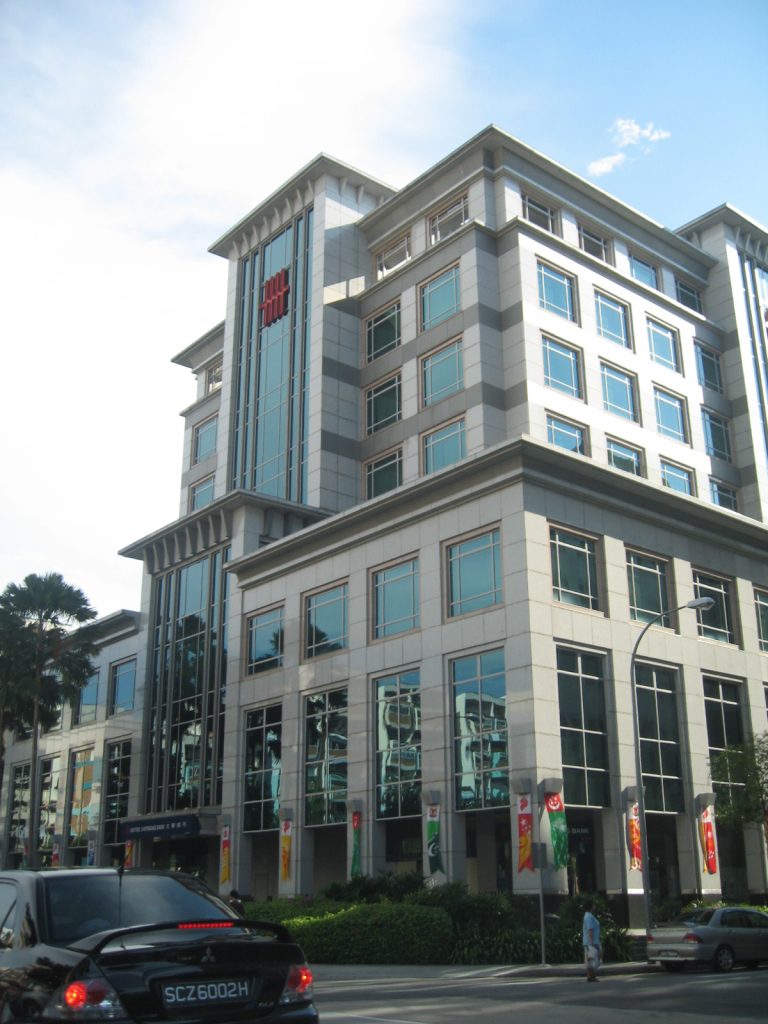
UOB Stock Draws Investor Attention Amid Banking Sector Focus

0

Quick Summary: UOB Stock Draws Investor Attention Amid Banking Sector Focus

  • UOB’s net profit dipped 4% in Q1 2026 to S$1.44 billion, yet customer loans grew 4% to S$354 billion.
  • CEO Wee Ee Cheong aims to double wealth income by 2030, focusing on converting 8.5 million ASEAN customers into fee income.
  • The bank’s cross-border income made up 27% of wholesale banking income, highlighting its regional connectivity.
  • Despite profit challenges, UOB is investing in AI and technology to enhance digital banking capabilities in ASEAN.
  • Analysts remain cautious on UOB’s growth prospects due to regional and SME exposure.

United Overseas Bank (UOB) is at a crossroads, with its recent quarterly results revealing a 4% dip in profit. However, the real story isn’t just about numbers; it’s about strategy. UOB’s management is doubling down on ASEAN’s potential, aiming to convert its vast customer base into recurring fee income.

CEO Wee Ee Cheong has set an ambitious target to double the bank’s wealth income by 2030. This plan hinges on the integration of Citibank’s consumer business, which has expanded UOB’s reach to 8.5 million customers across the region. The bank’s focus is clear: shift from rate-driven profits to relationship-driven income, particularly in wealth management and trade finance.

Despite the profit dip, UOB’s regional connectivity remains a strong asset. Cross-border income accounted for 27% of wholesale banking income last year, and the bank facilitated over S$5.8 billion in foreign direct investment linked to the Johor-Singapore Special Economic Zone. Yet, skepticism persists. Analysts are wary of UOB’s exposure to regional and SME markets, which could be vulnerable to supply-chain disruptions and geopolitical tensions.

UOB is also investing heavily in technology, with 30,000 staff gaining access to Microsoft Copilot to boost digital banking capabilities. This move aligns with the bank’s strategy to enhance its advisory services across ASEAN. As Wee Ee Cheong puts it, the goal is to leverage ‘augmented intelligence’ rather than just artificial intelligence.

The coming months will be crucial for UOB as it seeks to prove that its ASEAN strategy can withstand economic headwinds and deliver sustainable growth. Investors and analysts will be watching closely to see if the bank can maintain momentum and capitalize on its expanded regional footprint.

5 million ASEAN customers into recurring fee income, with CEO Wee Ee Cheong setting a target of doubling wealth income by 2030 from the 2025 base. Bulls see a rare regional bank with deep Southeast Asia connectivity: UOB said cross-border income made up 27 per cent of wholesale banking income in FY2025, trade loans rose 26 per cent that year, and wealth management income climbed 14 per cent with high-net-worth AUM reaching S$201 billion.

Around 30,000 staff now have Microsoft Copilot access, according to The Asian Banker, and UOB has moved technology and innovation teams into Singapore’s Punggol Digital District as it tries to scale digital banking and advisory capabilities across ASEAN. 5 million-customer regional platform, a pivot that investors are now treating as the bank’s real next earnings test.

8 billion in foreign direct investment tied to the Johor-Singapore Special Economic Zone, evidence that its “regional connectivity” theme is being turned into deposits, FX, cash management and advisory revenue. ” Wee has said the bank will “stand by” SME clients and that it is “not the time to de-risk” from them, which raises the stakes if macro conditions worsen.

5 million-customer Citi platform and doubling wealth income by 2030. The next thing to watch is not a vote or hearing but execution: management is guiding to better momentum in the second half of 2026, helped by new wealth products, new tools and potential expansion of booking capabilities in Hong Kong to capture North Asia wealth flows.

3 per cent, a sign that the balance sheet remains sturdy even as earnings soften. 8 per cent, high-single-digit fee growth and low-single-digit operating cost growth, yet analysts largely stayed cautious with “hold” or “neutral” views.

5 million ASEAN customers into recurring fee income, with CEO Wee Ee Cheong setting a target of doubling wealth income by 2030 from the 2025 base. Around 30,000 staff now have Microsoft Copilot access, according to The Asian Banker, and UOB has moved technology and innovation teams into Singapore’s Punggol Digital District as it tries to scale digital banking and advisory capabilities across ASEAN.

The bank’s cross-border income made up 27% of wholesale banking income, highlighting its regional connectivity. United Overseas Bank (UOB) is at a crossroads, with its recent quarterly results revealing a 4% dip in profit.

8 billion in foreign direct investment linked to the Johor-Singapore Special Economic Zone. 5 million-customer regional platform, a pivot that investors are now treating as the bank’s real next earnings test.

44 billion, yet customer loans grew 4% to S$354 billion. UOB is also investing heavily in technology, with 30,000 staff gaining access to Microsoft Copilot to boost digital banking capabilities.

The scale and speed of this development has caught many observers off guard. Each new update adds another dimension to a story that is still unfolding, and the full picture will only become clear as more verified details emerge from the people and institutions directly involved.

Analysts who have tracked this issue closely say the current moment represents a genuine turning point. The decisions made in the coming weeks are expected to set the direction for months ahead, with ripple effects likely to extend well beyond the immediate actors in the story.

For those directly affected, the practical impact is already visible. People navigating this fast-changing situation are dealing with real consequences while new information continues to reshape what is known and what remains open to interpretation.

Historical parallels offer some context, though experts caution against drawing too close a comparison. Similar situations have played out before, but the specific combination of pressures, personalities, and timing here makes this moment distinct in ways that matter for how it ultimately resolves.

The political and economic dimensions of this story are deeply intertwined. What appears as a single event on the surface is in practice the convergence of multiple pressures that have been building quietly over a longer period than most public reporting has captured.

Read more on Digital Chew

Cruise Ship Incident Draws Attention to Travel Safety Concerns

0

Quick Summary: Cruise Ship Incident Draws Attention to Travel Safety Concerns

  • WHO confirmed 11 cases related to the MV Hondius outbreak, with a 27% fatality ratio, highlighting the virus’s severity.
  • The cruise ship’s environment increased risk due to close quarters and shared spaces, yet WHO assesses global risk as low.
  • WHO’s guidance recommends 42 days of monitoring for high-risk contacts, emphasizing prolonged vigilance.
  • CDC monitored 41 people in the U.S. due to potential exposure, expanding the outbreak’s impact beyond the ship.
  • The outbreak serves as a real-world test of international health regulations and rapid response capabilities.

The recent outbreak of the Andes virus aboard the MV Hondius cruise ship is more than just an isolated incident—it’s a critical examination of our global health security framework. With 11 confirmed cases and a concerning 27% fatality ratio, the situation has rapidly evolved from a shipboard emergency to a global health challenge.

Despite WHO’s assessment of low global risk, the cruise ship’s environment of close quarters and shared spaces has heightened the threat, prompting a 42-day monitoring recommendation for high-risk contacts. This extended vigilance period underscores the seriousness with which health authorities are treating the outbreak.

As the CDC monitors 41 individuals across the United States, the scope of the outbreak has expanded beyond the ship, testing the robustness of international health regulations and rapid response measures. This situation is a stark reminder of the vulnerabilities in our global health security system and the need for swift, coordinated action.

Ultimately, the handling of this outbreak will serve as a benchmark for future health crises. If the situation remains contained, it will validate the current protocols; if not, it will spark a debate on whether the response was timely and adequate.

WHO’s latest formal count is 11 cases, including 8 laboratory-confirmed infections, 2 probable cases, and 1 inconclusive case, with a case fatality ratio of 27%. WHO said the cruise-ship environment created extra risk because of “close living quarters, shared indoor spaces, prolonged exposure, and frequent interpersonal interactions,” even though it still assesses global risk as low and ship-related risk as moderate.

In its technical guidance dated May 8, WHO recommended active monitoring and quarantine of high-risk contacts for 42 days after last exposure, a far longer window than many travelers or governments are used to managing. On May 8, WHO issued interim technical guidance for disembarkation and onward management.

” Yet by May 14, CDC officials said 41 people across the United States were under monitoring, drawn from three groups: repatriated passengers in Nebraska and Atlanta, passengers who had left the ship earlier, and people potentially exposed during travel. David Fitter said the agency was monitoring people exposed not only on the ship but also after an infected passenger boarded a plane.

“This is a person that was infected that was on the ship and had gotten on a plane,” he said, adding that CDC was monitoring contacts from that journey. WHO said all national focal points had been informed through the International Health Regulations system and were supporting international contact tracing.

WHO has said recommendations are “dynamic” and may change as evidence emerges, while CDC has made clear that Americans under observation include travelers potentially exposed after leaving the vessel. AP had reported on May 10 that one of 17 American passengers evacuated from the Hondius tested positive while asymptomatic, and that a French passenger developed symptoms during a repatriation flight.

With 11 confirmed cases and a concerning 27% fatality ratio, the situation has rapidly evolved from a shipboard emergency to a global health challenge. WHO’s guidance recommends 42 days of monitoring for high-risk contacts, emphasizing prolonged vigilance.

Despite WHO’s assessment of low global risk, the cruise ship’s environment of close quarters and shared spaces has heightened the threat, prompting a 42-day monitoring recommendation for high-risk contacts. WHO said the cruise-ship environment created extra risk because of “close living quarters, shared indoor spaces, prolonged exposure, and frequent interpersonal interactions,” even though it still assesses global risk as low and ship-related risk as moderate.

The scale and speed of this development has caught many observers off guard. Each new update adds another dimension to a story that is still unfolding, and the full picture will only become clear as more verified details emerge from the people and institutions directly involved.

Analysts who have tracked this issue closely say the current moment represents a genuine turning point. The decisions made in the coming weeks are expected to set the direction for months ahead, with ripple effects likely to extend well beyond the immediate actors in the story.

For those directly affected, the practical impact is already visible. People navigating this fast-changing situation are dealing with real consequences while new information continues to reshape what is known and what remains open to interpretation.

Historical parallels offer some context, though experts caution against drawing too close a comparison. Similar situations have played out before, but the specific combination of pressures, personalities, and timing here makes this moment distinct in ways that matter for how it ultimately resolves.

The political and economic dimensions of this story are deeply intertwined. What appears as a single event on the surface is in practice the convergence of multiple pressures that have been building quietly over a longer period than most public reporting has captured.

Read more on Digital Chew