

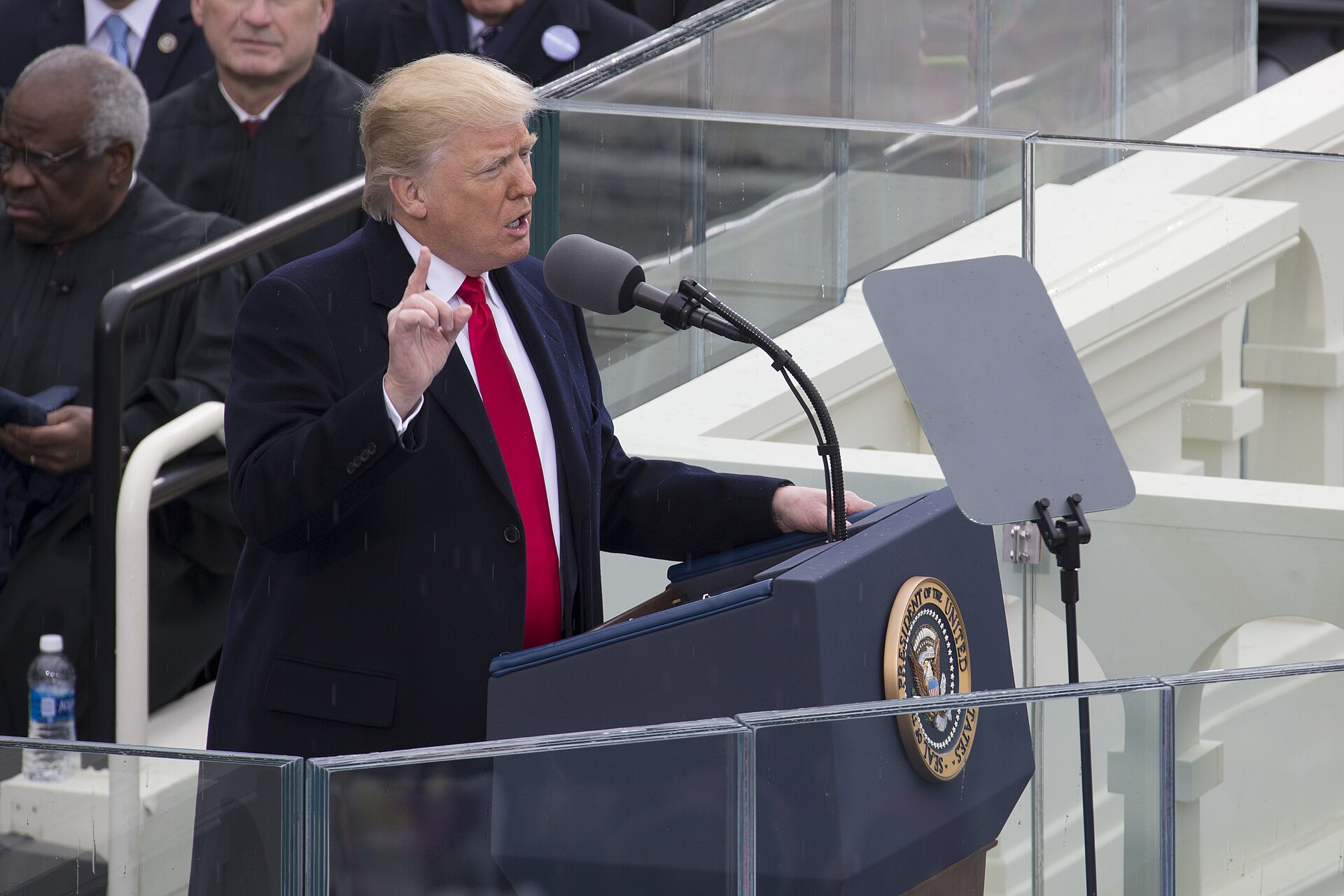

Quick Summary: Trumps July 16 Address to Focus on Voting Machine Allegations
- Trump’s primetime address on July 16, 2026, will focus on new claims about voting-machine vulnerabilities, aiming to pre-delegitimize the 2026 midterms.
- The FBI’s Atlanta review deadline is July 17, which could lead to a memo or public claims from Trump allies shortly after.
- FBI Director Kash Patel has deployed hundreds of agents to review 700 files by July 17, highlighting election infrastructure vulnerabilities.
- Trump’s speech is expected to revisit unproven claims about Republican losses, especially those from 2020.
- The administration is building a case using declassification and federal resources around claims deemed unfounded by experts.
Source: Open external resource
Source: Read original article
Donald Trump is poised to make waves with his upcoming national address. Scheduled for July 16, 2026, this speech is expected to reignite the flames of election conspiracy theories, specifically targeting voting-machine vulnerabilities and reexamined government files. This move is seen by many, particularly Democrats, as an attempt to undermine the legitimacy of the upcoming 2026 midterms.
The speech is not just rhetoric; it’s backed by a significant FBI operation. Director Kash Patel has reportedly sent hundreds of agents to Atlanta to review 700 files by July 17, potentially leading to immediate fallout. This effort underscores the administration’s aim to present a seemingly official narrative around these contested claims.
For context, Trump’s narrative is not new. It’s a continuation of themes from the 2020 elections, where similar claims were exhaustively debunked by experts. Yet, the administration seems determined to revive these narratives, using declassified intelligence and federal manpower, to sway public opinion ahead of the midterms.
As Trump prepares to address the nation, this moment holds significant political weight. If he uses this platform to question election integrity, it could trigger demands for investigations and put pressure on election officials, particularly in battleground states like Georgia. The stakes are high, and the nation watches closely.
AP reported that Democrats see the speech as an attempt to “delegitimize the upcoming 2026 midterm elections,” with Georgia Democratic Sen. The sharpest new development is that Trump’s Thursday, July 16, 2026, primetime address is now expected to center not just on vague “election integrity” rhetoric but on purported new claims about voting-machine vulnerabilities and reexamined government files, a move Democrats say is an effort to pre-delegitimize the 2026 midterms.
Second is the July 17 deadline for the FBI’s reported Atlanta review, which could produce a memo, recommendation, or public claims from Trump allies within 24 hours. election infrastructure has vulnerabilities, and that FBI Director Kash Patel had dispatched “hundreds of agents” to assist the Atlanta field office in reviewing 700 files by July 17.
The core conflict is whether Trump is using the presidency to revive debunked 2020 narratives in order to shape the 2026 battlefield. By Wednesday, July 15, AP and others were describing the speech as likely to revisit “unproven claims” about Republican losses, especially 2020.
That is the key revelation right now: the administration appears to be building an institutional-looking case, using declassification and federal investigative manpower, around claims that election experts have long said were unfounded. Kash Patel is tied to the reported FBI review effort in Atlanta.
The Washington Post also reported that Trump’s orbit has looked to outside figures and forensic analyses of voting software, including a Mojave Research report completed for the intelligence director’s office. AP noted that a Denver jury found Mike Lindell, whom Trump endorsed this week in Minnesota’s governor’s race, defamed a voting-machine company employee by calling him a traitor.
Scheduled for July 16, 2026, this speech is expected to reignite the flames of election conspiracy theories, specifically targeting voting-machine vulnerabilities and reexamined government files. The sharpest new development is that Trump’s Thursday, July 16, 2026, primetime address is now expected to center not just on vague “election integrity” rhetoric but on purported new claims about voting-machine vulnerabilities and reexamined government files, a move Democrats say is an effort to pre-delegitimize the 2026 midterms.
News & World Report Trump’s primetime address on July 16, 2026, will focus on new claims about voting-machine vulnerabilities, aiming to pre-delegitimize the 2026 midterms. Trump’s speech is expected to revisit unproven claims about Republican losses, especially those from 2020.
This move is seen by many, particularly Democrats, as an attempt to undermine the legitimacy of the upcoming 2026 midterms. It’s a continuation of themes from the 2020 elections, where similar claims were exhaustively debunked by experts.
By Wednesday, July 15, AP and others were describing the speech as likely to revisit “unproven claims” about Republican losses, especially 2020. The FBI’s Atlanta review deadline is July 17, which could lead to a memo or public claims from Trump allies shortly after.
The scale and speed of this development has caught many observers off guard. Each new update adds another dimension to a story that is still unfolding, and the full picture will only become clear as more verified details emerge from the people and institutions directly involved.
Analysts who have tracked this issue closely say the current moment represents a genuine turning point. The decisions made in the coming weeks are expected to set the direction for months ahead, with ripple effects likely to extend well beyond the immediate actors in the story.
For those directly affected, the practical impact is already visible. People navigating this fast-changing situation are dealing with real consequences while new information continues to reshape what is known and what remains open to interpretation.
Historical parallels offer some context, though experts caution against drawing too close a comparison. Similar situations have played out before, but the specific combination of pressures, personalities, and timing here makes this moment distinct in ways that matter for how it ultimately resolves.
The political and economic dimensions of this story are deeply intertwined. What appears as a single event on the surface is in practice the convergence of multiple pressures that have been building quietly over a longer period than most public reporting has captured.